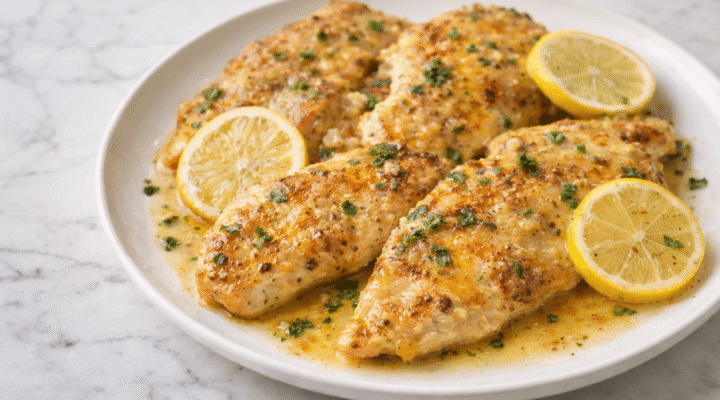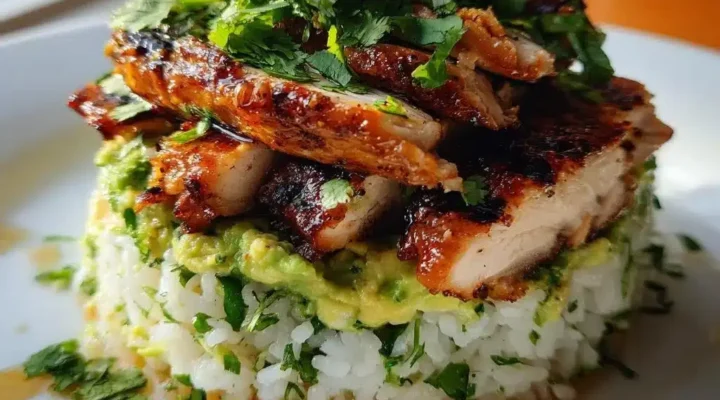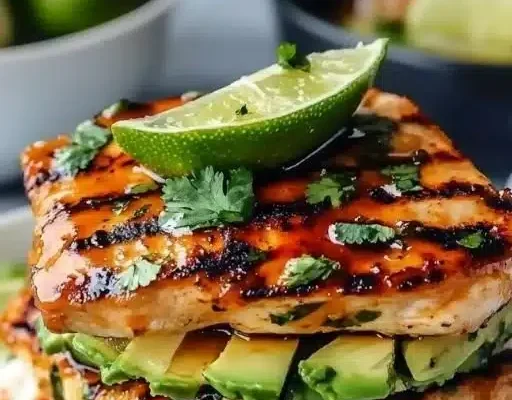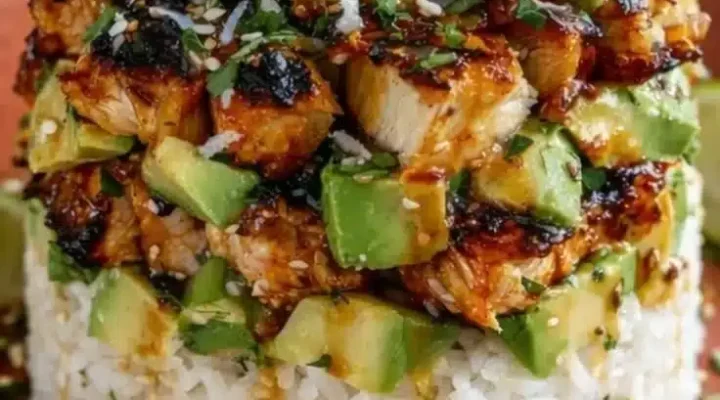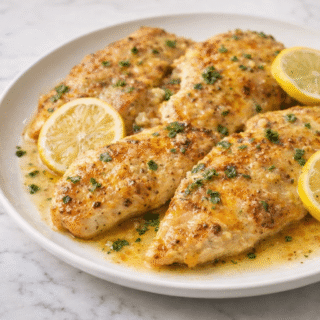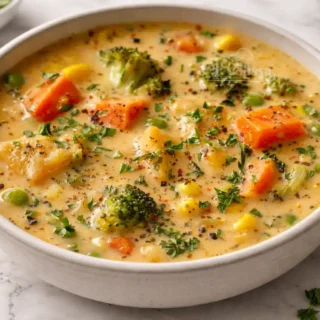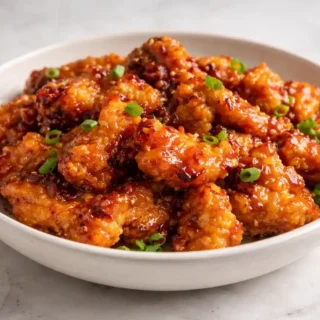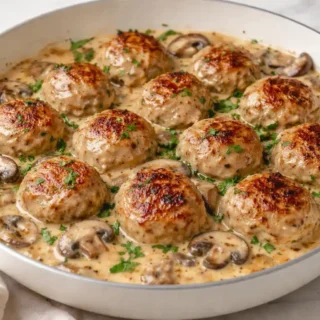
Chicken Stir-Fry is the kind of meal I start when the house is quiet and I need dinner to come together without a fuss. I have made this on nights when the fridge looked bare and everyone was still hungry.
Chef Thomas leans on recipes like this because they use simple food and steady heat, the same comfort you get from a slow meal like this pot roast in a slow cooker Pot Roast in a Slow Cooker. It brings good flavor, balance, and warmth to the table without turning cooking into work.
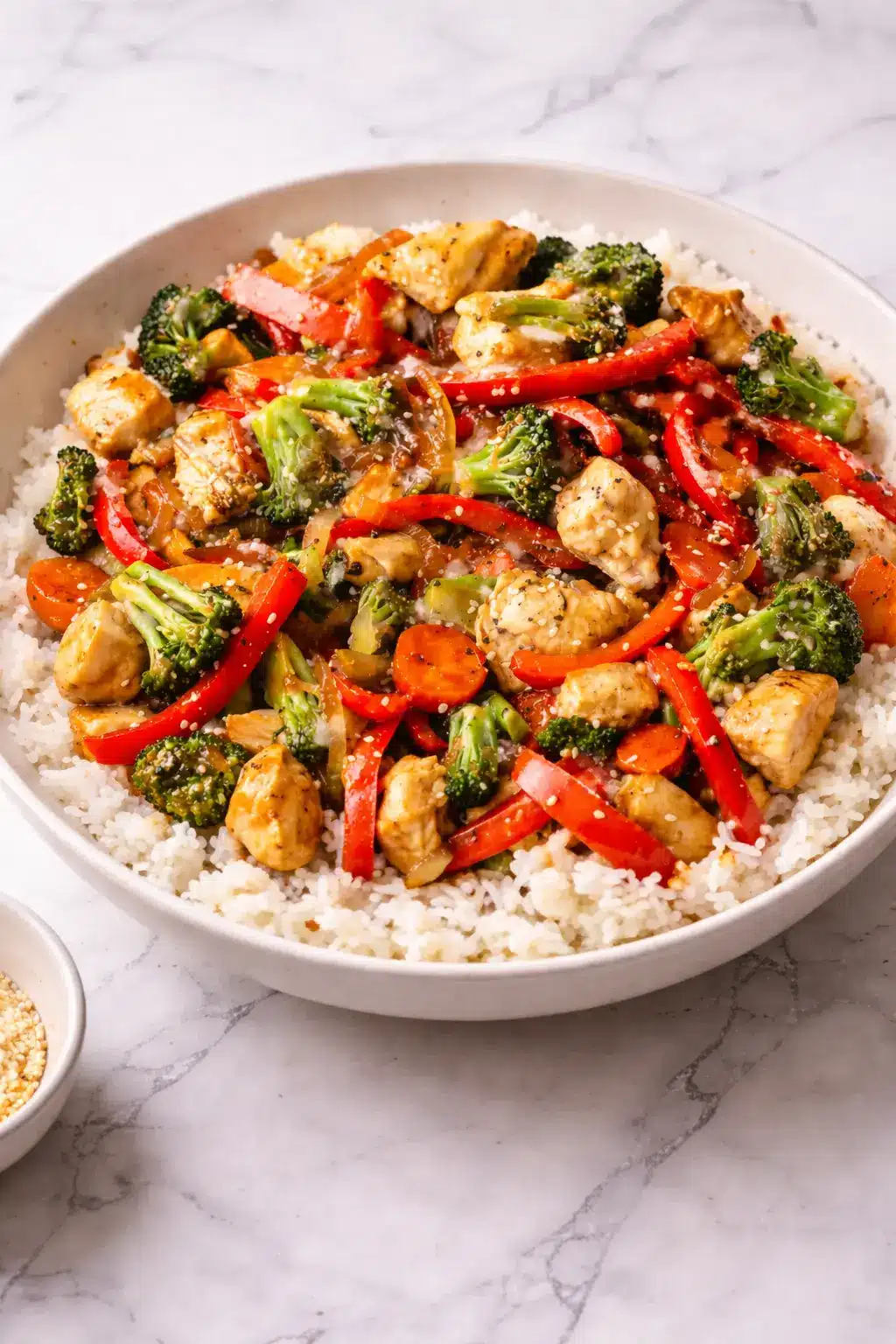
- Cooks quickly in one pan
- Easy to adjust with whatever vegetables are on hand
- Leftovers hold up well the next day
- Needs high heat and attention while cooking
- Vegetables can overcook if the pan is crowded
Table of Contents
Why You’ll Love Chicken Stir-Fry
Chicken Stir-Fry is a meal I have grown to trust over the years, and Chef Thomas keeps it in regular rotation because it turns simple ingredients into a steady, good dinner. I know what to expect every time I make it.
It does not feel heavy or complicated. The flavors stay balanced, and the steps follow a clear rhythm once you have done it once or twice. It fits into busy days when time and energy are both short.
This is one of the meals I cook most weeks when I want something easy that still feels like a proper dinner.
Get Recipe Card
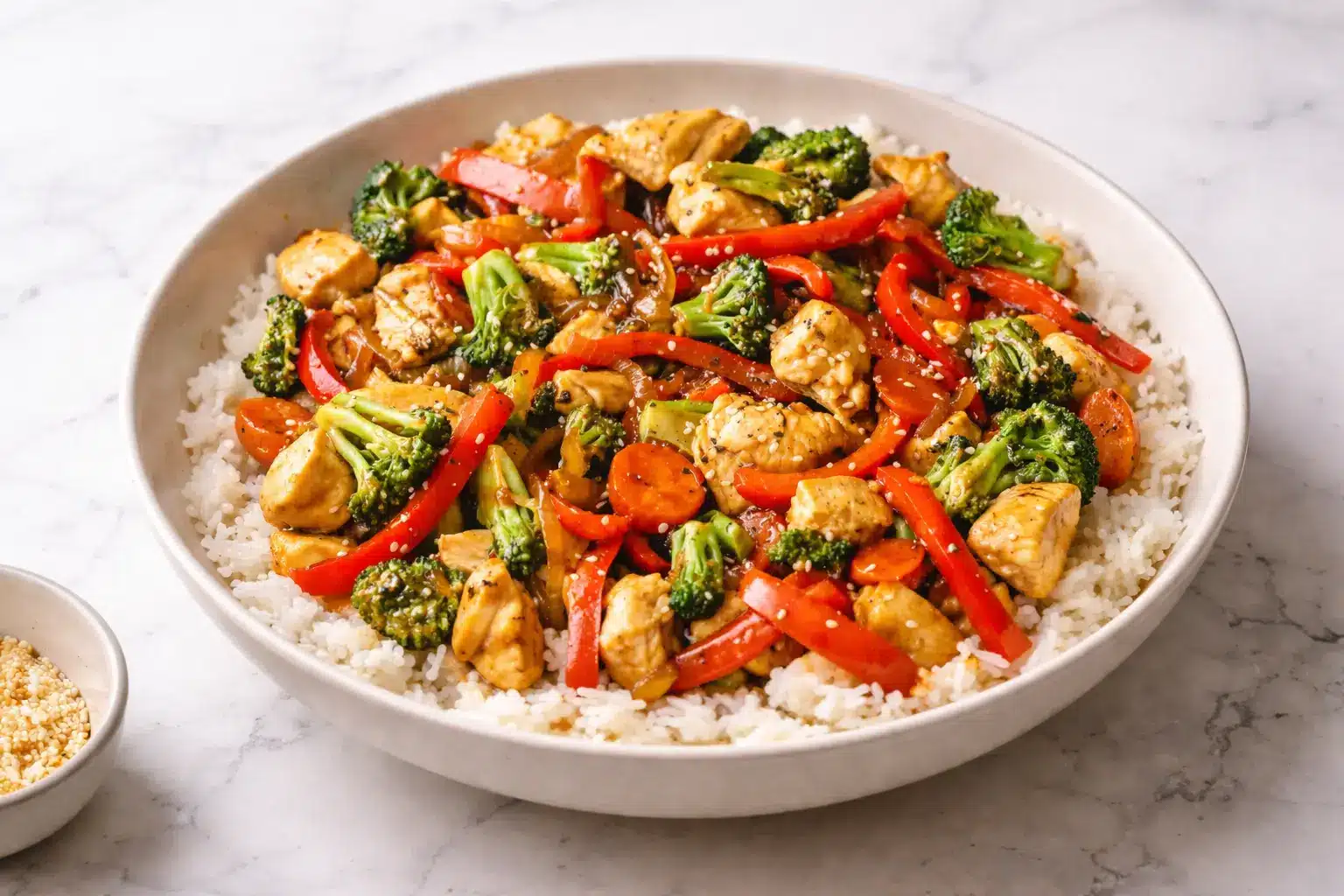
Chicken Stir-Fry
Ingredients

Equipment
Instructions
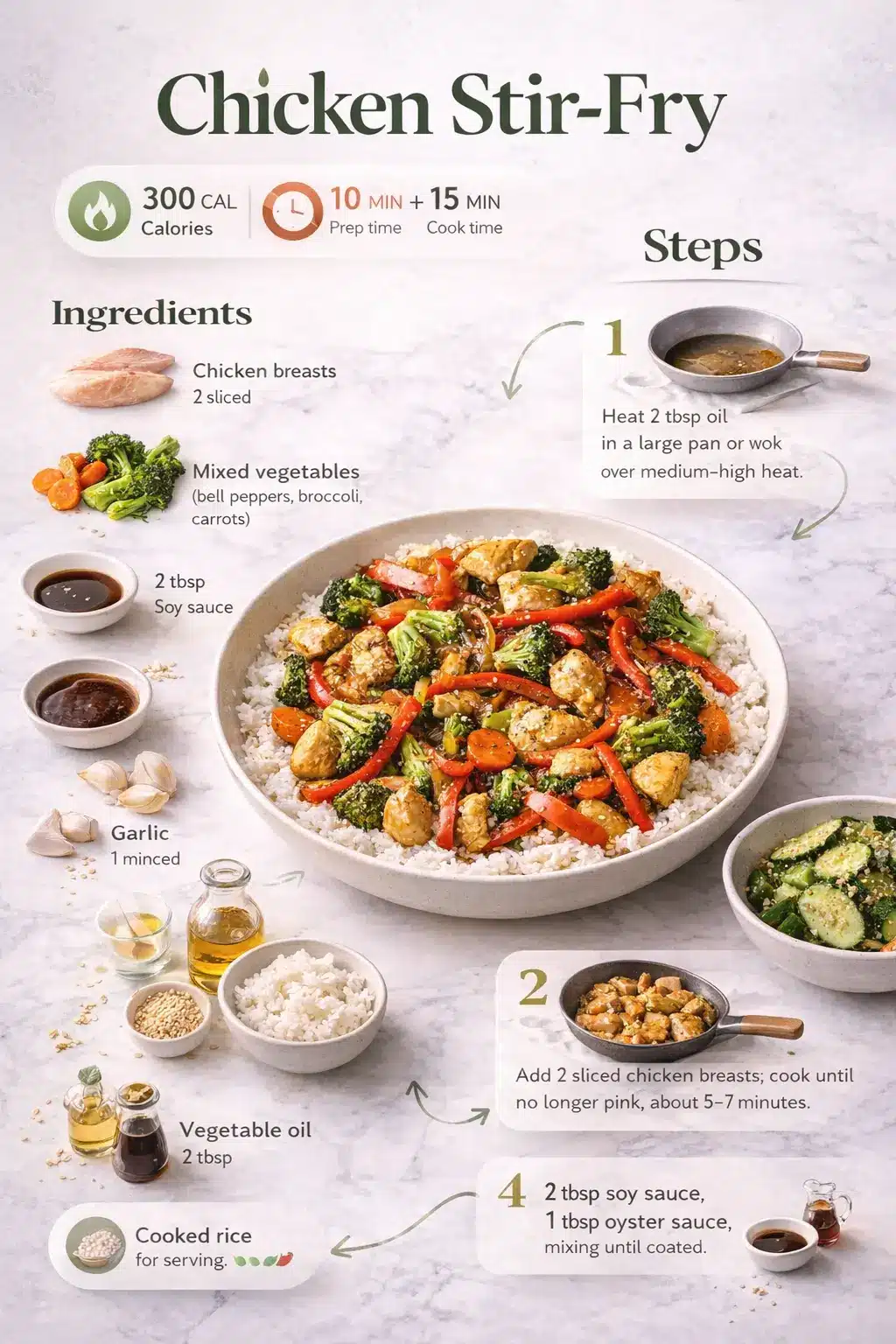
- Heat vegetable oil in a large pan or wok over medium-high heat.
- Add the sliced chicken breasts and cook until no longer pink, about 5-7 minutes.
- Once the chicken is cooked, add the minced garlic and ginger, stirring for about 1 minute until fragrant.
- Stir in the mixed vegetables and continue to stir-fry for about 3-5 minutes, until they are tender-crisp.
- Pour in the soy sauce and oyster sauce, mixing well until everything is well-coated.
- Serve the stir-fry over a bed of warm, cooked rice.
Notes
Ingredients for Chicken Stir-Fry
| Ingredient | Amount |
|---|---|
| chicken breasts, sliced | 2 |
| mixed vegetables (bell peppers, broccoli, carrots) | 2 cups |
| soy sauce | 2 tablespoons |
| oyster sauce (optional) | 1 tablespoon |
| garlic, minced | 2 cloves |
| ginger, minced | 1 tablespoon |
| vegetable oil | 2 tablespoons |
| Cooked rice, for serving | for serving |
These ingredients come together in a way that gives you savory depth, a bit of sharpness from the garlic and ginger, and fresh texture from the vegetables.
The sauces coat everything lightly and help the rice carry the flavor, which is something Chef Thomas always looks for in a pan meal. If you are curious about how soy sauce is commonly used in cooking, this quick Soy Sauce explains the basics in a clear way.
How to Make Chicken Stir-Fry
Visual idea: oil lightly shimmering in a wide pan on the stove.
Chef Thomass Tip:
Spread the chicken out so it sears instead of steaming.
Chef Thomass Tip:
I watch the broccoli and carrots closely since they take the longest to soften.
How I Serve Chicken Stir-Fry
Chicken Stir-Fry is how I usually get dinner on the table when the day has been full, and Chef Thomas keeps it simple so everyone can eat while the food is hot. This is a weeknight setup in my kitchen, nothing fancy, just steady and comforting.
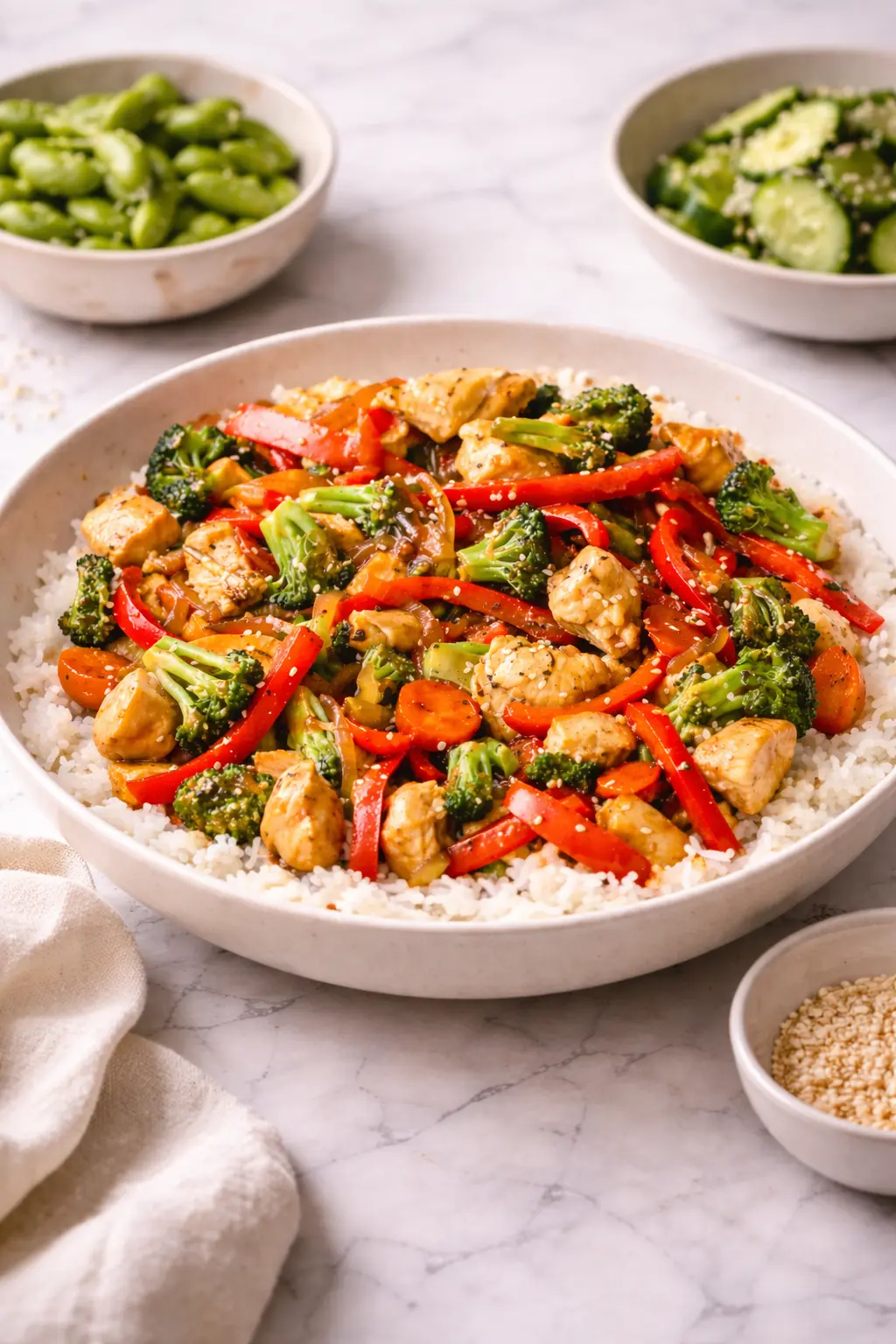
Most nights I spoon it straight over warm rice in wide bowls. The rice catches the sauce, and everything stays balanced in each bite. If we have leftovers, I pack it the same way for lunch the next day.
Sometimes I serve it family-style, with the pan set right on the table and a big bowl of rice next to it. When we want a heartier meal, I might pair it with something filling like this crockpot ravioli lasagna Crockpot Ravioli Lasagna on a weekend when more people are around.
- Steamed white or brown rice
- Simple cucumber slices with a pinch of salt
- A fried egg on top for a bigger meal
- Orange wedges or pineapple on the side for something fresh
- Steamed white or brown rice
- Simple cucumber slices with a pinch of salt
- A fried egg on top for a bigger meal
- Orange wedges or pineapple on the side for something fresh
Variations and Adjustments for Chicken Stir-Fry
Chicken Stir-Fry is one of those meals I have adjusted many times depending on who is at the table, and Chef Thomas has found that small changes can shift the feel of the dish without changing how it cooks.
Mild or Spicy
If I want it mild, I keep the garlic and ginger as written and let the soy and oyster sauce lead the flavor. For more heat, I stir in a pinch of red pepper flakes with the garlic and ginger, which gives a gentle spicy edge without covering up the rest.
Texture Adjustments
For softer vegetables, I add them a minute earlier and cook a bit longer so they turn more tender than crisp. When I want more bite, I cook the vegetables fast over steady heat and pull the pan off the burner while they still look bright and firm.
Protein or Ingredient Swaps
I sometimes swap the chicken for thin slices of beef or peeled shrimp, using the same steps and timing close to the original. Different vegetables work fine too, like snap peas or cabbage, as long as they are cut small enough to cook quickly.
I always keep the base method the same, since too many changes at once can throw off the balance and texture that make this dish work.
Storing and Making Chicken Stir-Fry Ahead
Chicken Stir-Fry is something I often cook with leftovers in mind, and Chef Thomas has learned through repetition how it holds up after a day or two. This is how I handle it in a normal home kitchen.
In the fridge, I keep it in a sealed container for up to about 3 days. The vegetables soften a bit and the rice can absorb more sauce, but the flavor stays steady. I let it cool before storing so the texture stays more even.
It can be frozen, though the vegetables lose some of their bite after thawing. If I know I am freezing it, I cook the vegetables just a touch less so they do not turn too soft later.
For making ahead, I often slice the chicken and vegetables earlier in the day and keep them separate in the fridge. I mix the sauce ahead too. I still cook everything right before serving so the texture stays right.
To reheat, I use a skillet over medium heat with a small splash of water to loosen the sauce. When it smells warm and the sauce looks glossy again, it is ready. I avoid the microwave too long since that can make the chicken tough.
The Small Detail That Makes Chicken Stir-Fry Work
A lot of people keep stirring from the moment the food hits the pan. It feels like the safe thing to do, but it often leaves the chicken pale and the vegetables soft instead of lightly browned and crisp.
Over time, Chef Thomas noticed that the batches where I left the food alone for short stretches tasted fuller and had better texture. The color was deeper, and the pan smelled toasty instead of just steamy.
Frequently Asked Questions About Chicken Stir-Fry
Can I use chicken thighs instead of breasts?
Answer: Yes, I do that often. Thighs stay a bit juicier and have a richer flavor, but they may need an extra minute or two in the pan. I still slice them thin so they cook evenly.
Why did my vegetables turn soft instead of crisp?
Answer: This usually happens when the pan is crowded or the heat is too low. The vegetables release water and end up steaming. I keep the heat steady and cook in batches if the pan looks full.
Can I make this ahead of time for dinner later?
Answer: You can prep the ingredients ahead, which is what Chef Thomas often does. I slice the chicken and vegetables and mix the sauce earlier in the day. I cook it right before serving so the texture stays right.
What can I use if I do not have oyster sauce?
Answer: You can leave it out and still have a good result. The soy sauce, garlic, and ginger carry most of the flavor. The dish will be a bit lighter and less rounded, but still balanced.
How do I keep the chicken from getting tough?
Answer: I watch the timing and pull it from the heat as soon as it is cooked through. Thin slices and high heat help it cook fast without drying out. Overcooking is usually the main reason it turns firm.
Can I turn this into a noodle dish instead of serving with rice?
Answer: Yes, that works well. I toss the cooked stir-fry with warm noodles right at the end so they pick up the sauce. I sometimes add a splash of water or soy sauce to loosen everything if it looks dry.The small adjustment is to let the chicken sit in the hot pan without moving it for a minute before stirring. That steady contact with heat helps browning happen, which builds flavor as explained in this overview of the Maillard reaction https://www.britannica.com/science/Maillard-reaction, and it also keeps the vegetables from releasing too much water too fast.
That one adjustment made this recipe far more reliable for me.
Chef Thomas shares the same steady approach with vegetables like tomatillos in everyday cooking on Tomatillo Recipes.
FAQ About Chicken Stir-Fry
Can I use chicken thighs instead of breasts?
Yes, I do that often. Thighs stay a bit juicier and have a richer flavor, but they may need an extra minute or two in the pan. I still slice them thin so they cook evenly.
Why did my vegetables turn soft instead of crisp?
This usually happens when the pan is crowded or the heat is too low. The vegetables release water and end up steaming. I keep the heat steady and cook in batches if the pan looks full.
Can I make this ahead of time for dinner later?
You can prep the ingredients ahead, which is what Chef Thomas often does. I slice the chicken and vegetables and mix the sauce earlier in the day. I cook it right before serving so the texture stays right.
What can I use if I do not have oyster sauce?
You can leave it out and still have a good result. The soy sauce, garlic, and ginger carry most of the flavor. The dish will be a bit lighter and less rounded, but still balanced.
How do I keep the chicken from getting tough?
I watch the timing and pull it from the heat as soon as it is cooked through. Thin slices and high heat help it cook fast without drying out. Overcooking is usually the main reason it turns firm.
Can I turn this into a noodle dish instead of serving with rice?
Yes, that works well. I toss the cooked stir-fry with warm noodles right at the end so they pick up the sauce. I sometimes add a splash of water or soy sauce to loosen everything if it looks dry.
Final Thoughts on Chicken Stir-Fry
Chicken Stir-Fry is one of those meals I return to when I want dinner to come together without much thinking, and it has proven steady in my kitchen over the years. Chef Thomas keeps recipes like this close because they work with normal ingredients and real schedules, not perfect conditions.
When I am planning the week, I often look through the main dishes section here Main Dishes Collection for the same kind of dependable meals. This one simply does its job and feeds people well.