Boston Cream Pie is a dessert that has earned its place in American kitchens, even if its name can be a bit confusing. As Chef Thomas, I’ve made countless versions of this classic over the years, and I can tell you it’s a true crowd-pleaser.
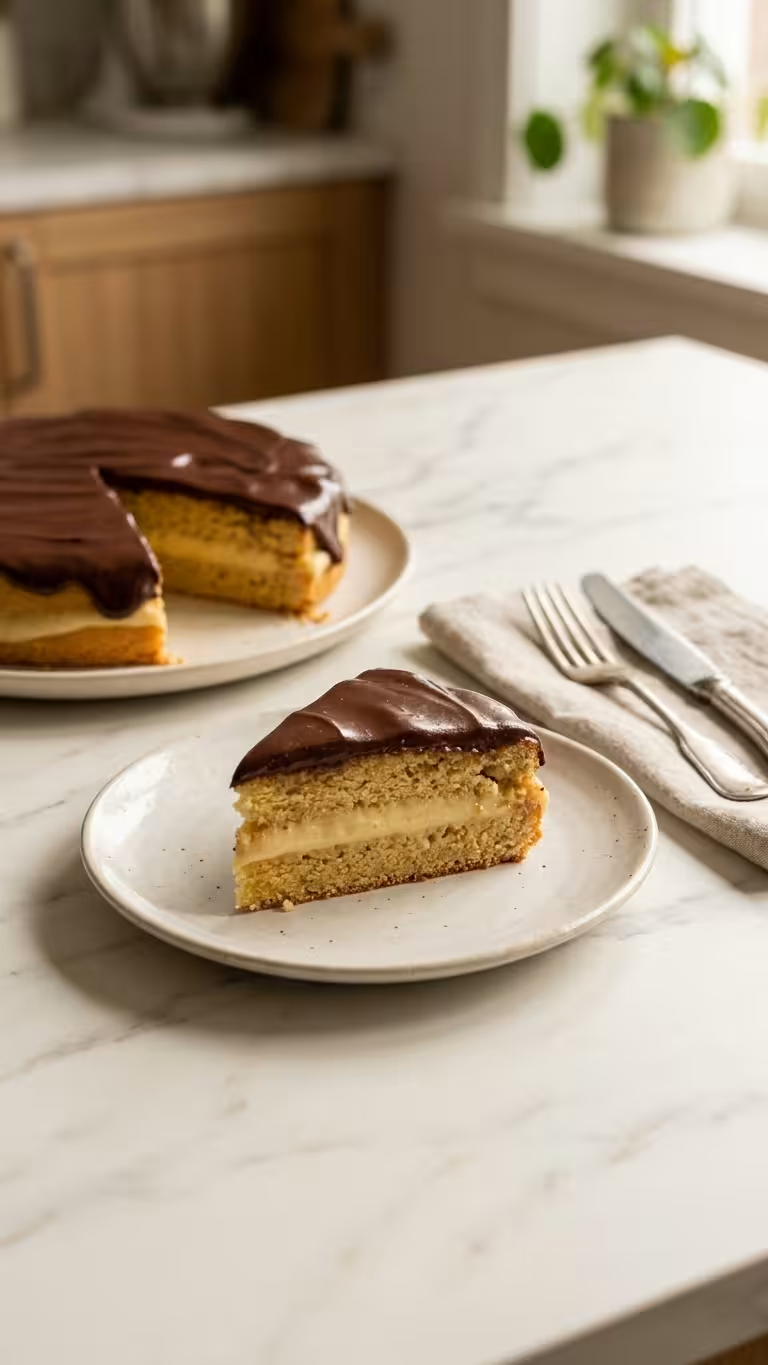
It’s a tender cake, actually, layered with a rich vanilla custard and topped with a smooth chocolate glaze.
Don’t let the “pie” part worry you; it’s simply a name from an earlier time when desserts were often baked in round pans. This recipe walks you through each step in a clear, manageable way so you can approach it with confidence. For another rich chocolate dessert, you can take a look at this decadent homemade chocolate cake.
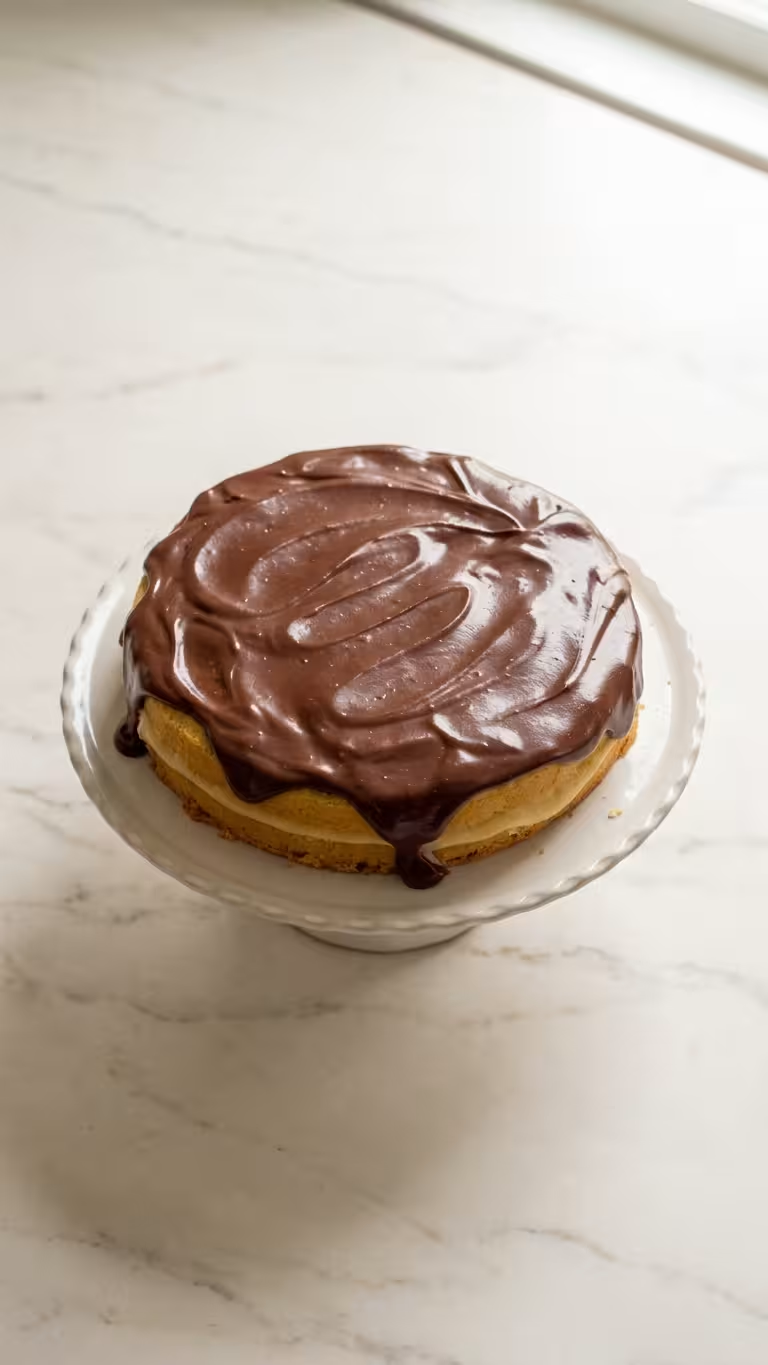
- Light cake paired with a smooth, well-set custard
- Chocolate glaze adds just enough richness
- Works well for both casual and special occasions
- Custard requires attention to avoid overcooking
- Assembly takes a bit of time and care
Table of Contents
Why You’ll Love Boston Cream Pie
I’ve always had a soft spot for Boston Cream Pie. It reminds me of my grandmother’s kitchen, where something warm was always baking.
This recipe may look like it has a few steps, but each one is clear and manageable, and the result feels well worth the effort.
You get a moist, tender cake, a smooth vanilla custard that melts easily, and a simple chocolate glaze that ties everything together. It’s a complete and satisfying dessert.
What I value most about a good Boston Cream Pie is how it builds fundamental skills such as making custard, baking a steady cake, and preparing a glaze.
For me, Chef Thomas, these are the basics that carry into many other recipes. It’s a rewarding process, and one that tends to bring people back for another slice. If you enjoy classic desserts, you might also like this homemade New York style cheesecake.
Get The Recipe
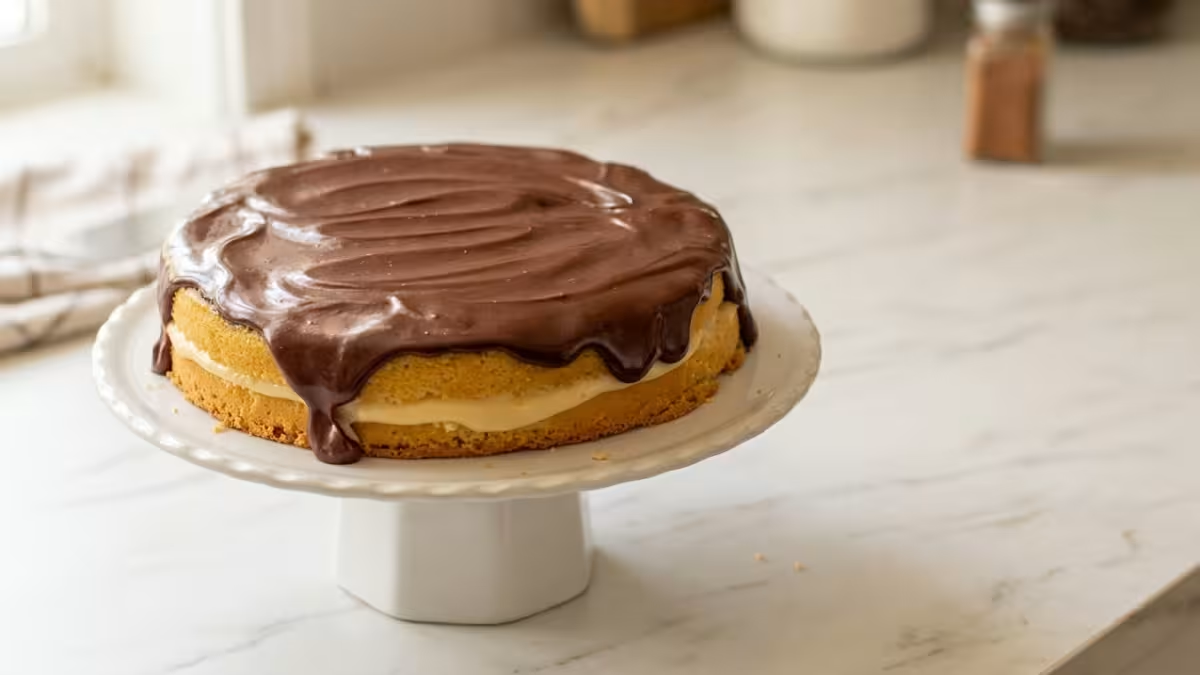

Boston Cream Pie
Ingredients
Equipment
Instructions
- In a small bowl, beat egg yolks with fork or whisk. Stir in 1 1/2 cups milk; set aside.
- In a 2-quart saucepan, stir 1/3 cup granulated sugar, the cornstarch and 1/8 teaspoon salt until mixed. Gradually stir the egg mixture into the sugar mixture. Cook over medium heat, stirring constantly, until the mixture thickens and boils. Boil and stir for 1 minute; remove from heat. Stir in 2 teaspoons vanilla.
- Press plastic wrap on the surface of the filling to prevent a tough layer from forming on the top. Refrigerate at least 2 hours until set but no longer than 24 hours.
- Meanwhile, heat oven to 350°F. Spray just the bottom of a 9-inch round cake pan with baking spray with flour.
- In a large bowl, beat all Cake ingredients with an electric mixer on low speed for 30 seconds, stopping frequently to scrape the side and bottom of the bowl with a rubber spatula. Beat on high speed for 3 minutes, scraping the bowl occasionally. Pour the batter into the pan; use a rubber spatula to scrape the batter from the bowl. Spread the batter evenly in the pan and smooth the top.
- Bake about 35 minutes or until a toothpick inserted in the center comes out clean. Cool the cake in the pan on a cooling rack for 20 minutes. Remove cake from the pan to a cooling rack. Cool completely, about 1 hour.
- In a 1-quart saucepan, melt 3 tablespoons butter and the chocolate over low heat, stirring occasionally. Meanwhile, in 1-cup glass measuring cup, microwave water uncovered on High for 15 to 30 seconds or until hot. Remove chocolate mixture from the heat. Stir in powdered sugar and 3/4 teaspoon vanilla. Stir in 3 tablespoons hot water. Stir in additional water, 1 teaspoon at a time, until icing is smooth and thin enough to spread.
- To split cake horizontally in half, mark middle points around side of cake with toothpicks. Using toothpicks as a guide, cut through the cake with a long, sharp knife, using a back-and-forth motion. On a serving plate, place bottom layer with the cut side up. Spread filling over the bottom layer.
- Top with top of cake, cut side down. Spread glaze over the top of the cake, using a metal spatula or the back of a spoon, letting some glaze drizzle down the side of the cake. Refrigerate uncovered until serving. Store any remaining cake covered in the refrigerator.
Ingredients for Your Boston Cream Pie
| Custard Filling | Cake | Chocolate Icing |
|---|---|---|
| 2 large egg yolks | 1 1/4 cups Gold Medal™ All Purpose Flour or 1 1/2 cups cake flour | 3 tablespoons butter |
| 1 1/2 cups milk | 1 cup granulated sugar | 3 oz unsweetened baking chocolate |
| 1/3 cup granulated sugar | 1/3 cup butter, softened | 3 to 4 tablespoons water |
| 2 tablespoons cornstarch | 3/4 cup milk | 1 cup powdered sugar |
| 1/8 teaspoon salt | 1 1/2 teaspoons baking powder | 3/4 teaspoon vanilla |
| 2 teaspoons vanilla | 1 teaspoon vanilla | |
| 1/2 teaspoon salt | ||
| 1 large egg |
Gather all your ingredients before you start. This makes the whole process smoother and helps you remember everything. It’s a small habit that makes a big difference in the kitchen.



How To Make Boston Cream Pie
Chef Thomas’s Tip: Pressing the plastic wrap right on the custard is key. Nobody wants a rubbery top layer on their creamy filling.
Chef Thomas’s Tip: Don’t rush cooling the cake. A fully cool cake is much easier to handle and cut without crumbling.
Stir in the powdered sugar and 3/4 teaspoon of vanilla. Add 3 tablespoons of the hot water. If the icing isn’t smooth and thin enough to spread, stir in more hot water, 1 teaspoon at a time, until it is just right.
Refrigerate the pie uncovered until you serve it. If you have any leftovers, cover them and keep them in the refrigerator.
Equipment and Tools I Used for This Recipe
For Boston Cream Pie, I like to keep the tools straightforward and reliable. You don’t need anything complicated, just a few essentials that help you handle the cake, custard, and glaze with ease.

- Balloon shape is perfect for whipping and aerating ingredients
- Innovative handle shape fits comfortably in the palm of your hand
- Polished stainless steel wires

- USA Pan baking pans feature Americoat which promotes quick release of baked-goods plus fast and easy clean up; wash with…
- Nonstick Americoat coating – a patented silicone coating which is PTFE, PFOA and BPA free – provides quick and easy rele…
- Made in the USA; measures 9 inches diameter x 2.25 inches

- 2 QUARTS: The Stainless Steel Saucepan features 2-quart capacity with a tempered glass lid which is the perfect size for…
- ERGONOMIC HANDLES: Features ergonomic stainless steel handles for comfortable handling & cooking. Offers a stylish & mod…
- FOOD-GRADE STAINLESS STEEL: Made of 18/8 non-reactive stainless steel interior which is non-toxic, non-allergic & safe f…
If you prefer having dependable tools on hand for everyday baking, I’ve put together a collection I use regularly. Browse my complete list of recommended cooking essentials.
Tips From Chef Thomas
How I Serve Boston Cream Pie
I like to serve Boston Cream Pie as a center-of-the-table dessert. It looks impressive just as it is. A simple cup of coffee or a glass of cold milk makes a perfect pairing.
Despite its name, Boston cream pie is actually a cake, recognized as a classic American dessert known for its delightful combination of sponge cake and rich custard filling.
Sometimes, if I’m feeling a bit extra, I might put a single fresh raspberry or a mint leaf on top of each slice for a splash of color, but it’s not necessary. The pie itself is plenty.
The Small Detail That Makes This Work
It’s a common question I get in the kitchen: “Chef Thomas, why is it called Boston Cream Pie when it’s clearly a cake?” The answer is simpler than you might think and tells a little story about how kitchens used to be.
Back in the mid-19th century, when this dessert first came to be at Boston’s Parker House Hotel, the terms “cake” and “pie” weren’t as strictly defined as they are today.
Many desserts, whether they were sponge cakes or actual fruit pies, were baked in the same round, shallow pans. So, if it was baked in a pie plate and had a creamy filling, it might just get called a “pie.”
It’s a bit of a historical quirk, a leftover from a time when home bakers used what they had, and nomenclature was a bit more fluid. No matter the name, the taste is what truly matters.
Variations and Adjustments for Boston Cream Pie
You can certainly play around with this recipe a bit. For instance, if you want a little more flavor in your custard, a tiny pinch of orange zest stirred in at the end can brighten things up.
For the chocolate glaze, you could use bittersweet chocolate for a less sweet finish, or even milk chocolate if you prefer a milder taste. The glaze itself is traditionally a simple ganache made from chocolate and cream, which gives it that smooth, glossy finish .
Some people like to add a bit of texture by including nuts, and even classic versions have been finished with almonds on the outside for a subtle crunch . I tend to keep it simple, but it’s a nice option if you want a small variation.
If you enjoy rich, no-bake style desserts as well, you might like this peanut butter pie.
Storage & Make-Ahead
Boston Cream Pie needs to be kept in the refrigerator because of the custard filling. It will stay fresh for about 2 to 3 days when properly covered.
If you want to make it ahead, you can bake the cake and prepare the custard a day in advance, keeping them separate and chilled. Then assemble it on the day you plan to serve, finishing with the chocolate glaze so everything stays at its best.
If you enjoy simple, classic desserts, you might also like this do nothing tornado cake.
FAQ About Boston Cream Pie
What’s the difference between Boston Cream Pie and Boston Cream Doughnut?
Both use a vanilla custard filling and chocolate glaze. The main difference is the pastry. Boston Cream Pie uses a sponge cake, while the doughnut version uses a fried, yeast-leavened dough.
Can I use a cake mix for the cake part?
While this recipe is for scratch, you could use a yellow cake mix for the cake layers if you’re short on time. Just follow the package directions for a 9-inch round cake.
Why is my custard not thickening?
Custard needs to reach a boil and simmer for a full minute to properly activate the cornstarch. If it’s still thin, put it back on low-medium heat and stir constantly until it thickens. Make sure your cornstarch is fresh.
How do I prevent a skin from forming on the custard?
After cooking, press plastic wrap directly onto the surface of the hot custard. This creates an airtight seal and prevents a tough skin from forming as it cools.
My chocolate glaze is too thick or too thin. What do I do?
If it’s too thick, stir in more hot water, a teaspoon at a time, until it’s spreadable. If it’s too thin, you can add a tiny bit more powdered sugar, a tablespoon at a time, until it reaches the right consistency.
Can I freeze Boston Cream Pie?
Freezing is generally not recommended for Boston Cream Pie. The custard can change texture and become watery when thawed. It’s best enjoyed fresh within a few days from the refrigerator.
Final Thoughts on Boston Cream Pie
Baking a Boston Cream Pie might seem like a big project, but it’s a steady way to build confidence in the kitchen. Each step, from mixing the batter to preparing the custard and finishing the glaze, adds something meaningful to the final result.
It doesn’t need to be perfect the first time. What matters is the process and the act of sharing something homemade. This recipe has been tested many times in my own kitchen, and it consistently holds up.
Chef Thomas encourages you to take your time, work through each step with care, and enjoy it with the people around your table. If you enjoy classic, indulgent desserts, you might also like this better than sex cake.