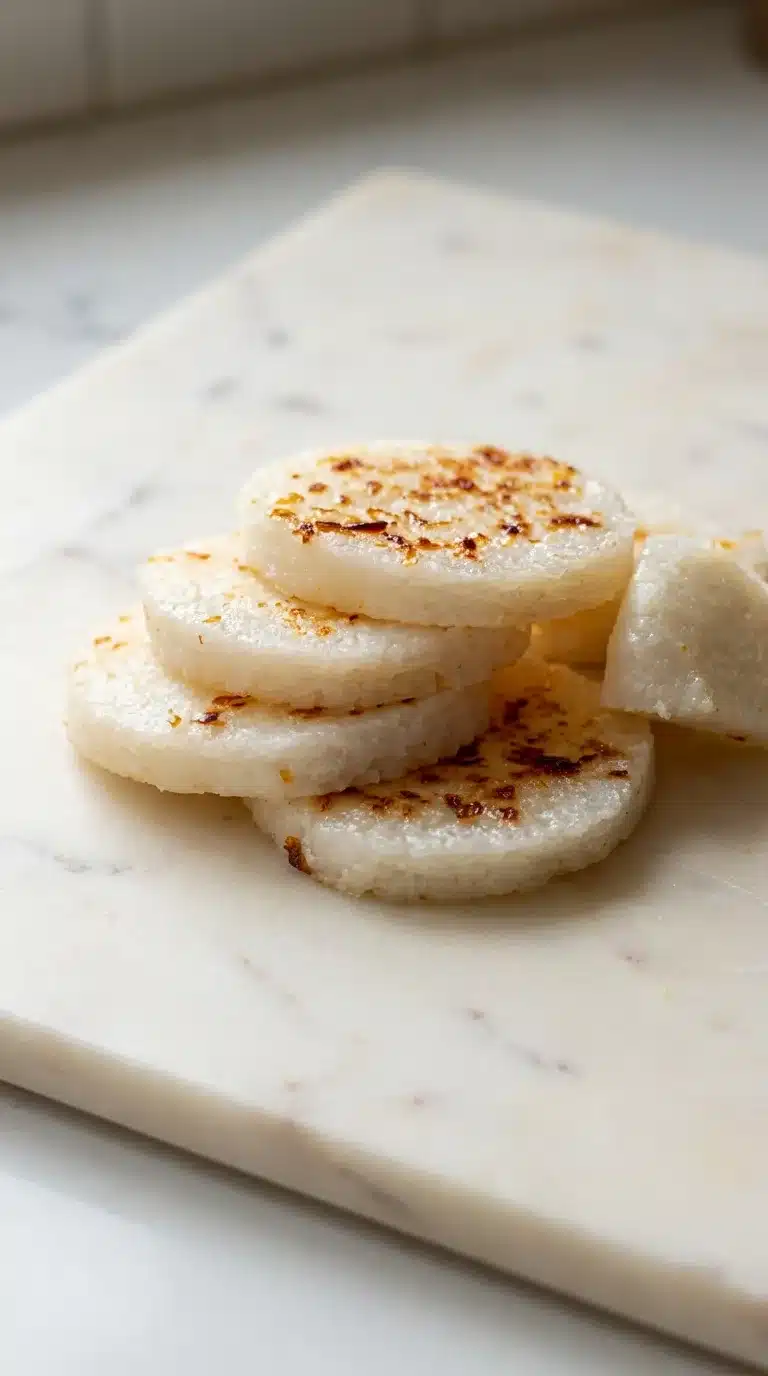
South Asian rice cake might sound a little exotic, but trust me, it is a comforting dish perfect for any home kitchen.
I have spent years in professional kitchens and at home, learning what works and what simply tastes good. As Chef Thomas, I want to share this recipe with you because it is a wonderful foundation for many meals, or even just a warm snack.
This recipe is straightforward, using just a few common ingredients to create something truly special and versatile. You will find it simple to make and even easier to enjoy. If you like simple, chilled desserts after a warm snack, you might also enjoy this no-bake cheesecake recipe, which follows the same easy, low-stress approach in the kitchen.
- Done in 30 minutes
- Only one pan to wash
- Restaurant-quality flavor at home
- Easy to adjust (dairy-free, low-carb, etc.)
- Kid-approved and picky-eater friendly
- Sauce is rich (not ideal if watching fat)
- Not dairy-free without substitutes
- Red pepper flakes may be too spicy for sensitive palates (adjust to taste)
Table of Contents
Why You’ll Love south asian rice cake
When it comes to simple cooking, this south asian rice cake recipe is a real winner. I have always found joy in recipes that do not ask for much but give a lot back in flavor and satisfaction. This one is like that.
It uses just two types of flour, water, a little sugar, and salt. That is it.
- Simple Ingredients: You likely have most of these in your pantry already. No special trips to a far-off store needed.
- Wonderful Texture: The combination of rice flour and tapioca starch gives these cakes a chewiness that is hard to beat. It is substantial but still soft, just how a good rice cake should be.
- So Versatile: These are not just for one kind of dish. You can enjoy them warm, dipped in your favorite sauce, or slice them up for a stir-fry. They even work well in soups. I have put them in everything from a spicy peanut sauce to a simple chicken broth, and they always shine.
- A Fun Project: Kneading the dough and rolling it out can be a nice, calming kitchen task. I remember my own children, and now my grandkids, enjoying helping me with this part. It is a good way to get little hands involved without too much fuss. Chef Thomas believes that getting kids curious about cooking starts with simple, hands-on tasks like this.
This recipe has become a staple in my own home, not just for its ease, but for the comforting results it delivers every time. It is real food for real families.
Get The Recipe
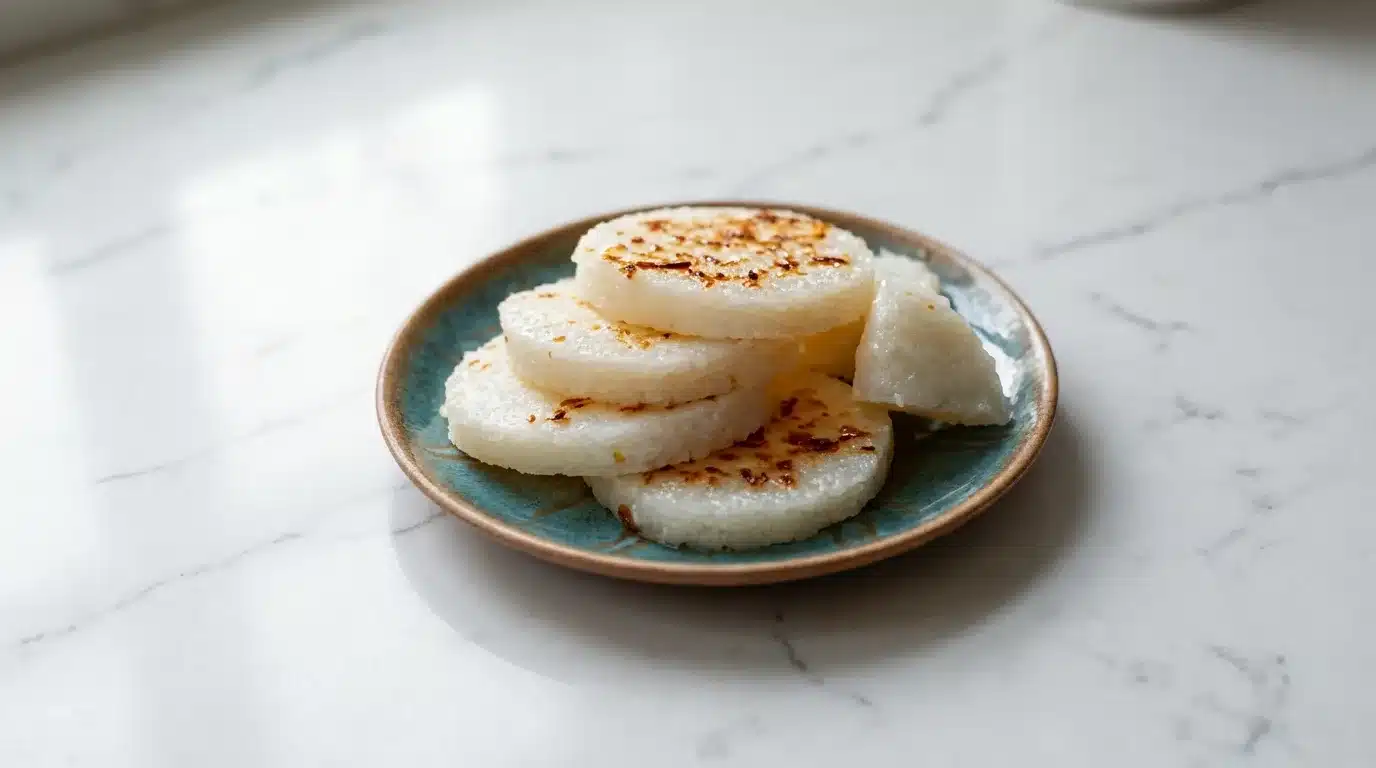

south asian rice cake
Ingredients

Equipment
Instructions
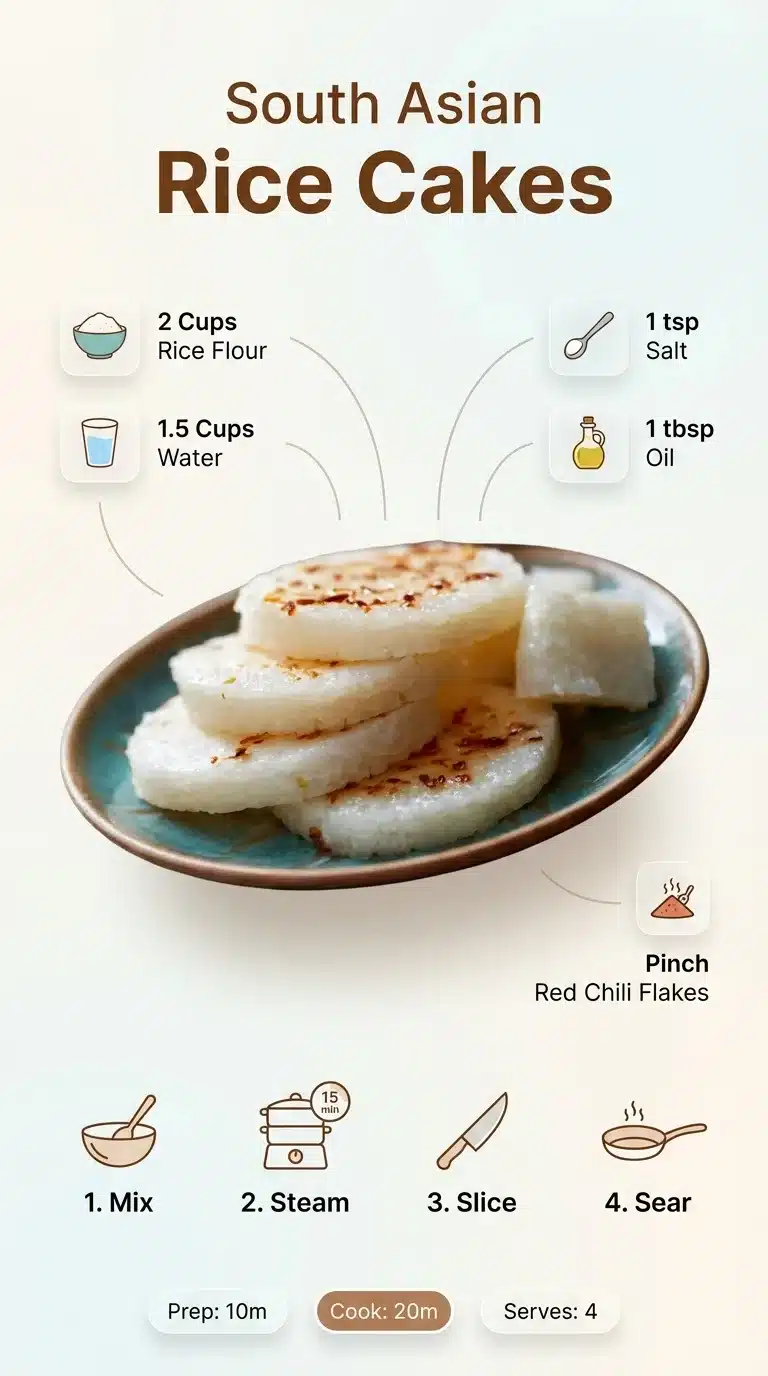
- Whisk together rice flour, tapioca starch, sugar, and salt in a large mixing bowl.
- Boil the water. Slowly add half the hot water into the flour mix, stirring constantly.
- Add the remaining water gradually, stirring until absorbed. Drizzle in cool water if the dough feels dry.
- Let dough cool slightly. Knead until smooth and tacky, not sticky.
- Divide into 8 pieces. Roll into 16-inch ropes, cut into 2-inch pieces.
- Place on parchment-lined plates. Cover with a towel.
- Steam in batches for 10–11 minutes. Let cool before serving.
Ingredients You Will Need for south asian rice cake
| Ingredient | Amount |
|---|---|
| Rice flour | 250 g (about 1 3/4 cups + 2 tbsp) |
| Tapioca starch | 115 g (about 3/4 cup + 2 tbsp) |
| Sugar | 2 teaspoons |
| Kosher salt | 1/2 teaspoon |
| Water | 400 g (1 3/4 cups), plus more if needed |
These simple ingredients come together to create a rice cake that is both comforting and adaptable. The measurements are given in grams for accuracy, which I always recommend for baking and dough work because it makes a real difference.
If you want a quick neutral reference about how rice is commonly used in traditional foods, you can see this background on rice.

How To Make South Asian Rice Cake
Equipment and Tools I Used for This Recipe
Steamed rice cakes come together smoothly when you keep the setup simple and steady. In my kitchen, I focus on tools that help with even mixing, shaping, and gentle steaming. These basics make the process calm and reliable from start to finish.

- Chef’s Choice Stainless: Mirror finish. Classic looks, professional performance
- Unsurpassed Heat Distribution: Aluminum encapsulated base heats quickly and spreads heat evenly;Eliminates hot spots
- Stainless steel cooking surface does not discolor,react with food or alter flavors;Great for classic cooking techniques …

- AIRTIGHT LIDS & 3 GRATER ATTACHMENTS:The airtight lids that come with this mixing bowl set make it easy to store ingredi…
- NON-SLIP SILICONE BOTTOMS: The rubber on the bottom of the mixing bowls is for gripping and staying put which prevents s…
- NESTING BOWLS & DISHWASHER SAFE: These kitchen serving bowls can be nested together and offer space-efficient storage in…

- Premium Safe Silicone:We attach great importance to the health of our customers.So we offer the premium food grade silic…
- Non-stick Mat:Please look over the video of the listing.This silicone baking mat is very good non sticky surface.And it …
- A Level Up Pastry Mat:The thickness of the mat is 0.7MM.The thickness of the silicone pad is almost twice as thick as th…
If you like keeping your kitchen practical and well-equipped, it helps to have dependable basics on hand. Browse my complete list of recommended cooking essentials.
Tips From Chet Thomas
How I Serve South Asian Rice Cake
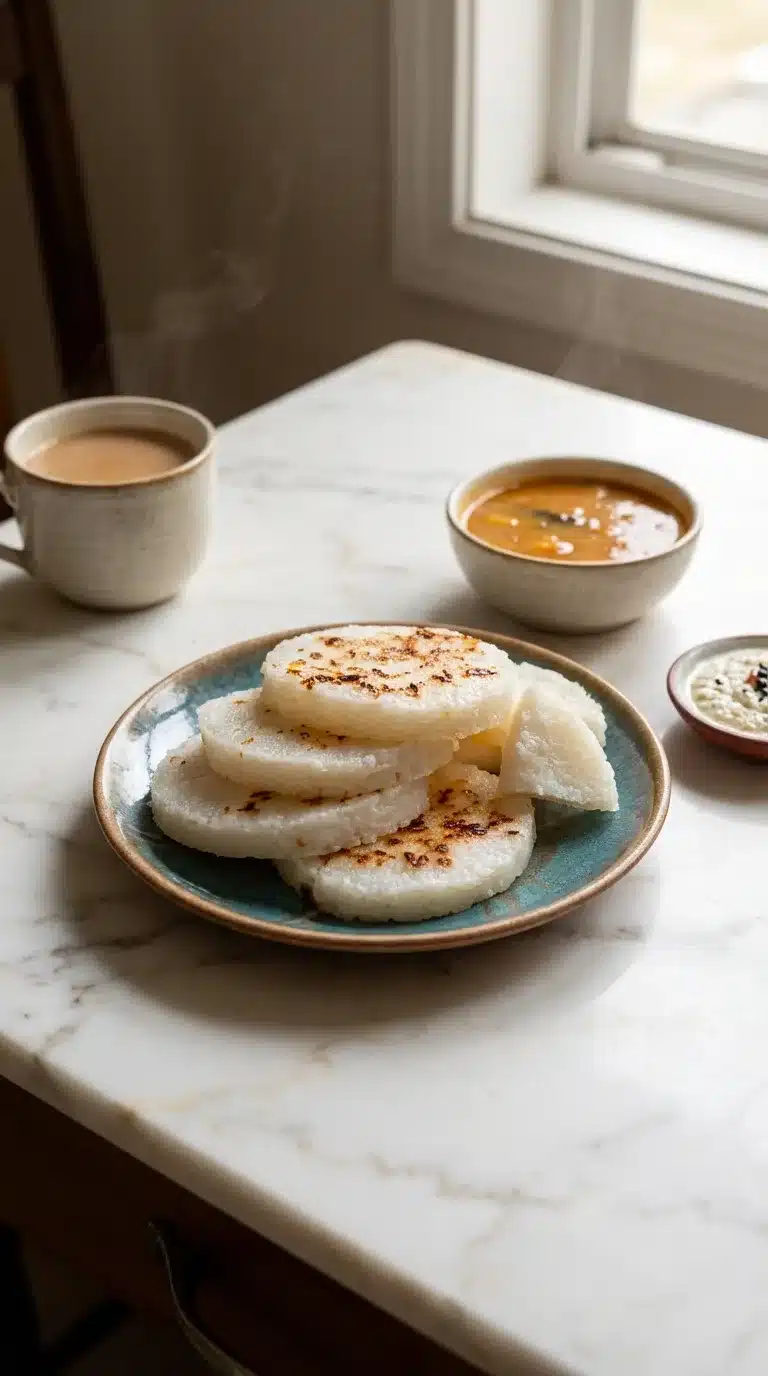
These south asian rice cakes are incredibly versatile, which is one of their best features. At my house, we serve them in a few different ways, depending on the meal and what we are craving.
- Dipping: My favorite simple way to enjoy them is warm, fresh from the steamer, with a dipping sauce. A classic soy sauce with a touch of sesame oil and chili flakes is always good. Sometimes, I will make a spicy peanut sauce or a sweet and sour dip.
- Stir-Fry: Once cooled, these rice cakes are perfect for stir-frying. Slice them into thinner discs or leave them as chunks. They soak up the flavors of the stir-fry sauce beautifully. I often add them to a simple vegetable and chicken stir-fry.
A comprehensive guide on Asian rice cakes explains their diverse uses in various cuisines, including stir-fries and desserts.
- In Soups: For a heartier meal, drop some into a simmering broth or a noodle soup during the last few minutes of cooking. They add a wonderful chewiness and make the soup more filling.
- Simple Snack: Honestly, sometimes I just eat them plain and warm. They are comforting on their own, especially if you have a little hunger between meals.
Variations and Adjustments
Part of the fun of cooking is making a recipe your own. This south asian rice cake is a good base for some simple changes.
- Flavor Boost: You can add a tiny pinch of white pepper to the dry ingredients for a subtle savory note. Some folks like a touch of garlic powder or onion powder too, especially if they are planning to use the cakes in savory dishes.
- Sweet Version: If you want a sweeter snack, increase the sugar to 3–4 teaspoons. You can also mix in a little coconut milk powder with the dry ingredients for a creamier, subtly sweet flavor. For more dessert-style inspiration, you might also enjoy recipes like Pink Velvet Cupcakes or Magic Cookie Bars.
- Color Fun: For something different, a small amount of vegetable juice, like a little spinach juice for green or beet juice for pink, can give them a fun color. Just substitute a tiny bit of the water with the juice.
- Shape It Differently: Instead of ropes and discs, you can roll the dough into small balls, flatten them slightly, or even use small cookie cutters for fun shapes. Just adjust steaming time if they are much thicker or thinner.
Storage & Make-Ahead
These rice cakes are best eaten fresh, but they store well for a few days, which makes them great for meal prep.
- Storage: Let the steamed rice cakes cool completely. Then, place them in an airtight container in the refrigerator for up to 3 days. If you stack them, consider putting a small piece of parchment paper between layers to prevent sticking.
- Freezing: For longer storage, you can freeze them. Lay the cooled rice cakes in a single layer on a baking sheet and freeze until solid. Once frozen, transfer them to a freezer-safe bag or container. They will keep well for about a month. Thaw them in the refrigerator overnight before reheating.
- Reheating: To reheat, steam them again for a few minutes until soft, or pan-fry them with a little oil until warmed through and lightly crisp outside. They also soften nicely when added to hot soup or broth. If you enjoy easy chilled desserts alongside make-ahead foods, you might also like this no bake cheesecake recipe or classic no bake cheesecake.
FAQ About South Asian Rice Cake
How do I know when the rice cakes are steamed enough?
The rice cakes will look slightly translucent and plump when they are cooked through. You can also touch one gently; it should feel firm but springy. They will firm up more as they cool.
Are these rice cakes gluten-free?
Yes, both rice flour and tapioca starch are naturally gluten-free, making this south asian rice cake recipe suitable for those avoiding gluten.
What is tapioca starch?
apioca starch is a light, fine flour made from the cassava root. It is often used to thicken liquids and gives baked goods and doughs a wonderfully chewy texture, which is perfect for these rice cakes.
Can I use all rice flour?
Using all rice flour might result in a much firmer, less chewy rice cake. The tapioca starch is key to getting that characteristic soft and bouncy texture. I recommend sticking to the recipe for the best results.
Final Thoughts on South Asian Rice Cake
South Asian Rice Cake is the kind of recipe I return to when I want something steady, simple, and easy to fit into a normal kitchen routine. Over the years, I’ve made it often enough to trust how it behaves, and that quiet reliability is what keeps it in my rotation.
As Chef Thomas, I value dishes like this that adapt without fuss and still feel complete. If you enjoy simple, comforting baking too, you might also like this gluten-free cinnamon coffee cake, which follows the same calm, dependable style I rely on in my own kitchen.