Taiyaki always takes me back to a quiet afternoon in my own kitchen, when the house is still and I want something simple but comforting to make with what I have on hand.
I’m Chef Thomas, and over the years I’ve learned that small treats like this bring a kind of steady warmth to the table without much fuss. The batter is straightforward, the filling flexible, and the results feel special without being complicated.
On busy nights, I keep dinner practical too, often turning to something reliable like Dill Pickle Parmesan Chicken
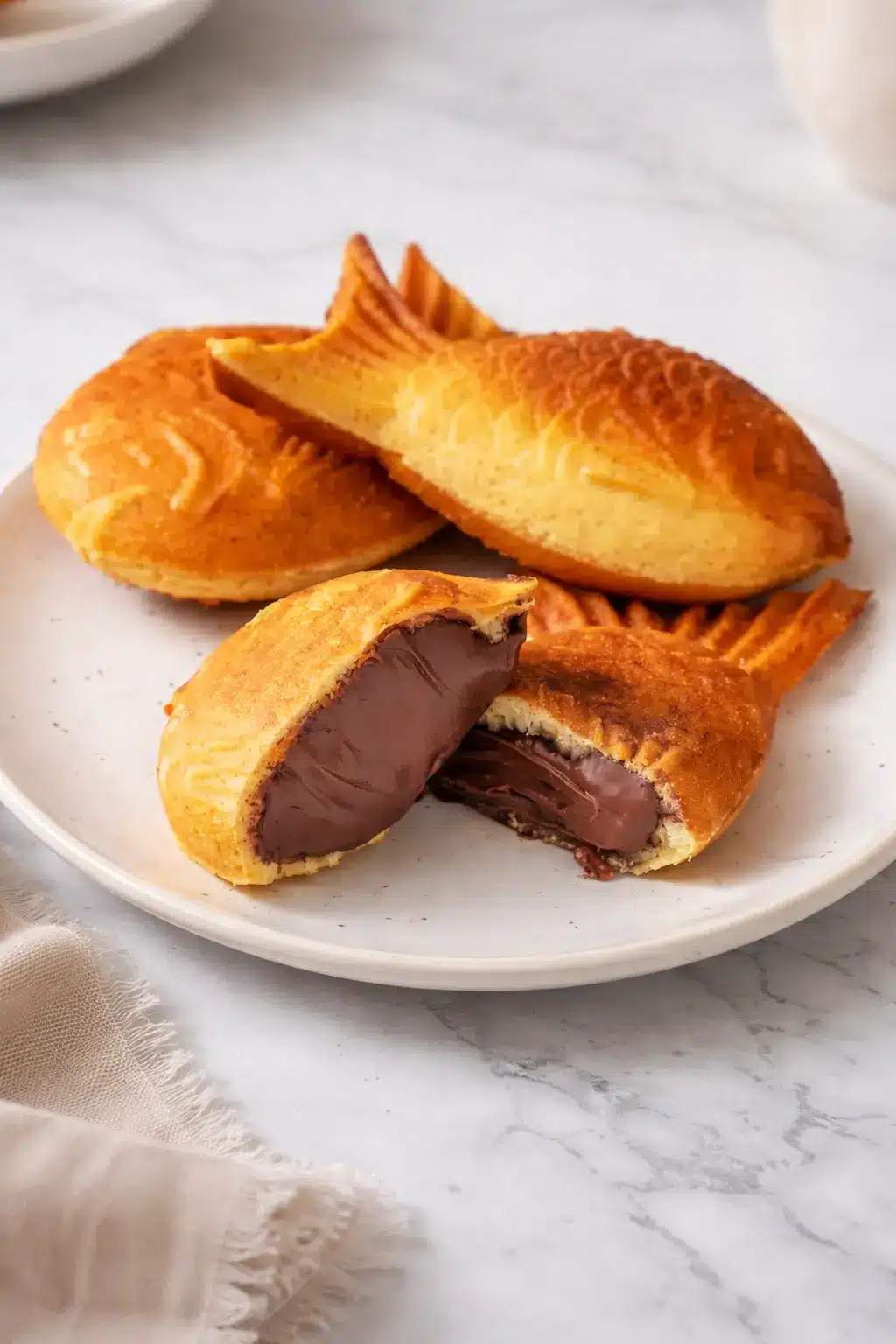
- Crisp exterior with a soft, creamy center
- Uses simple, accessible ingredients
- Fun to make with kids watching or helping
- Requires a special taiyaki pan
- First batch may take practice to brown evenly
Table of Contents
Why You’ll Love Taiyaki
Taiyaki is one of those recipes I’ve come to appreciate more with time, especially after making it again and again in my own kitchen. As Chef Thomas, I value how a simple batter and filling can turn into something comforting without a lot of fuss.
It works because the flavors stay balanced and familiar. The shell turns lightly crisp while the inside stays soft and creamy. The steps are straightforward once you get the feel for the pan, and it fits easily into a weekend afternoon or a quiet evening at home.
I tend to make this when I want a small treat that feels thoughtful but not complicated. It’s the kind of recipe that settles into your routine without trying too hard.
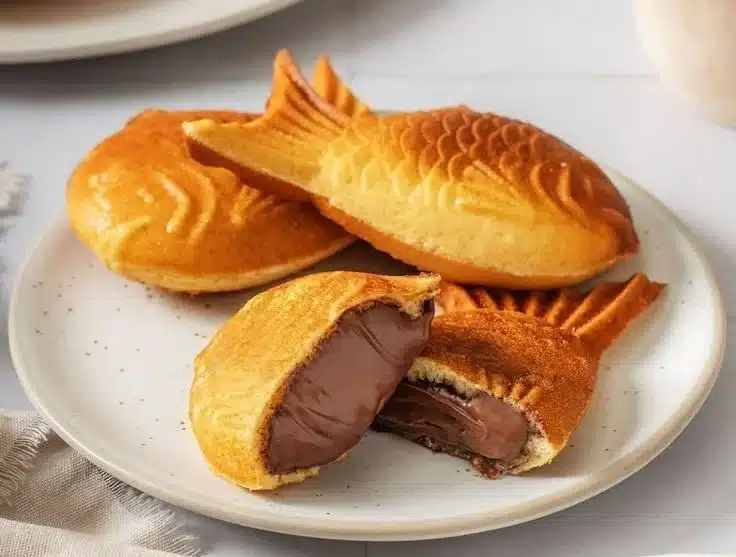

Taiyaki
Ingredients

Instructions
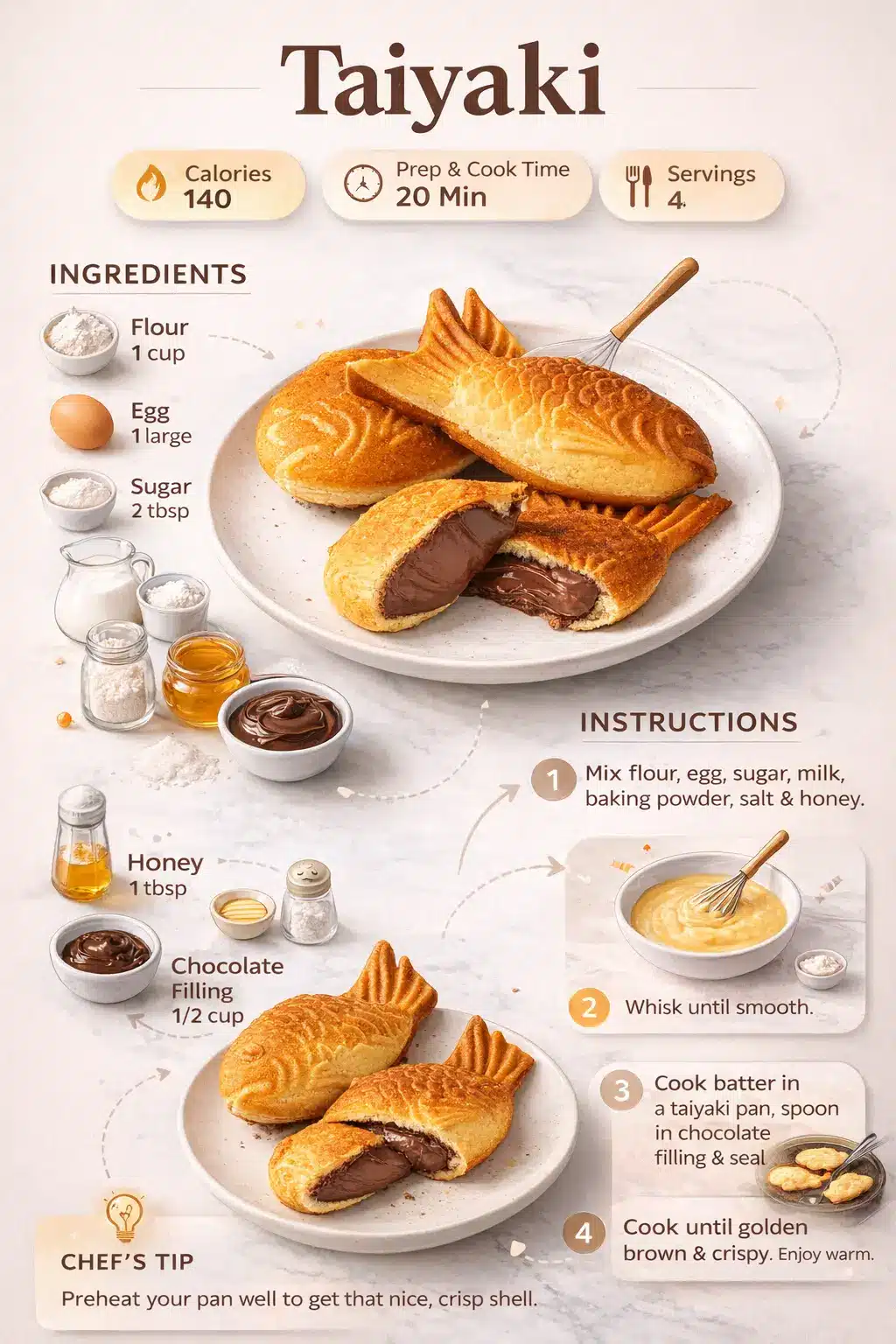
- In a bowl, mix together the flour, sugar, and baking powder until blended.
- Whisk in the water, egg, and vanilla extract until the batter is smooth and uniform.
- Preheat a taiyaki pan over medium heat so it’s hot but not smoking.
- Lightly grease the pan with oil, wiping excess so the batter won’t stick.
- Pour a small amount of batter into the pan, just enough to cover the mold’s surface.
- Add a spoonful of sweet filling in the center, keeping it away from edges.
- Cover the filling with more batter, close the pan, and cook about 3–4 minutes per side until golden brown.
- Remove from the pan and serve warm for best texture.
Notes
Ingredients for Taiyaki
| Ingredient | Amount |
|---|---|
| all-purpose flour | 1 cup |
| sugar | 2 tablespoons |
| baking powder | 1 teaspoon |
| water | 1/2 cup |
| egg | 1 |
| vanilla extract | 1/2 teaspoon |
| Sweet red bean paste or other desired filling (e.g., custard, chocolate, matcha) |
These ingredients come together in a simple, balanced batter that cooks up light and crisp in the pan. The flour and egg give structure, the baking powder helps create a tender interior, and the vanilla rounds out the sweetness without overpowering the filling. As Chef Thomas, I like how even something as straightforward as all-purpose flour plays a steady role in texture and consistency when treated with care.

How to Make Taiyaki
Chef Thomas’s Tip:
If you see small lumps, let the batter rest 5 minutes, then whisk again gently.
Chef Thomas’s Tip:
Too much oil can fry the batter and blur the fish details, so keep it light.
Chef Thomas’s Tip:
If it’s browning too fast, lower the heat a touch and give it an extra minute to cook through.
Equipment & Tools I Used for This Recipe
Making taiyaki at home is easier than it looks, especially when you have the right tools ready to go. A proper mold and a few simple prep essentials help you achieve crisp edges, golden color, and perfectly sealed fillings every time.

- Innovative glass construction makes these versatile mixing bowls, available in small, medium, and large sizes, safe for …
- Transparent glass allows you to monitor your baking, serve your creation stylishly, and easily see what’s inside during …
- Set includes one 1-quart glass mixing bowl, one 2-quart glass mixing bowl, and one 3-quart glass mixing bowl
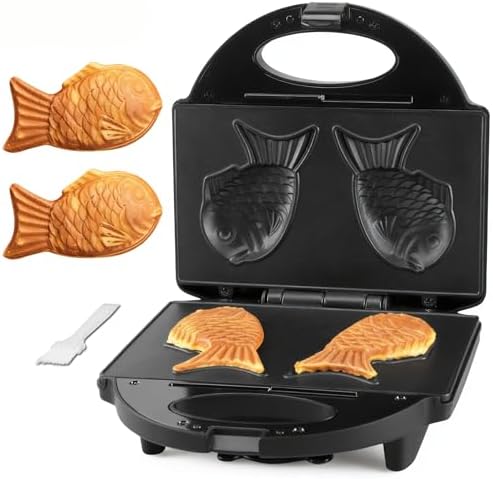
- [JAPANESE SNACK AT HOME]: The machine makes two 4’’x 3 ½’’ Japanese taiyaki per batch. Ideal for your breakfast, brunch,…
- [QUICK & EASY]: The iron heats up fast and evenly, it cooks up to 2 pieces of beautiful fish waffle in 3 minutes.The mac…
- [NO MESS WITH NON STICK SURFACE ]:The non-stick cooking plate not only cooks taiyaki quickly and evenly, but also leave …

- Unique bristle design won’t retain odors or clump during cleaning
- Patented center-hole bristles hold liquids for efficient transfer to food
- Tapered outer bristles allow for brushing delicate pastries with ease
With the right equipment, these fun fish-shaped treats come out beautifully crisp on the outside and tender inside. Browse my complete list of recommended cooking essentials.
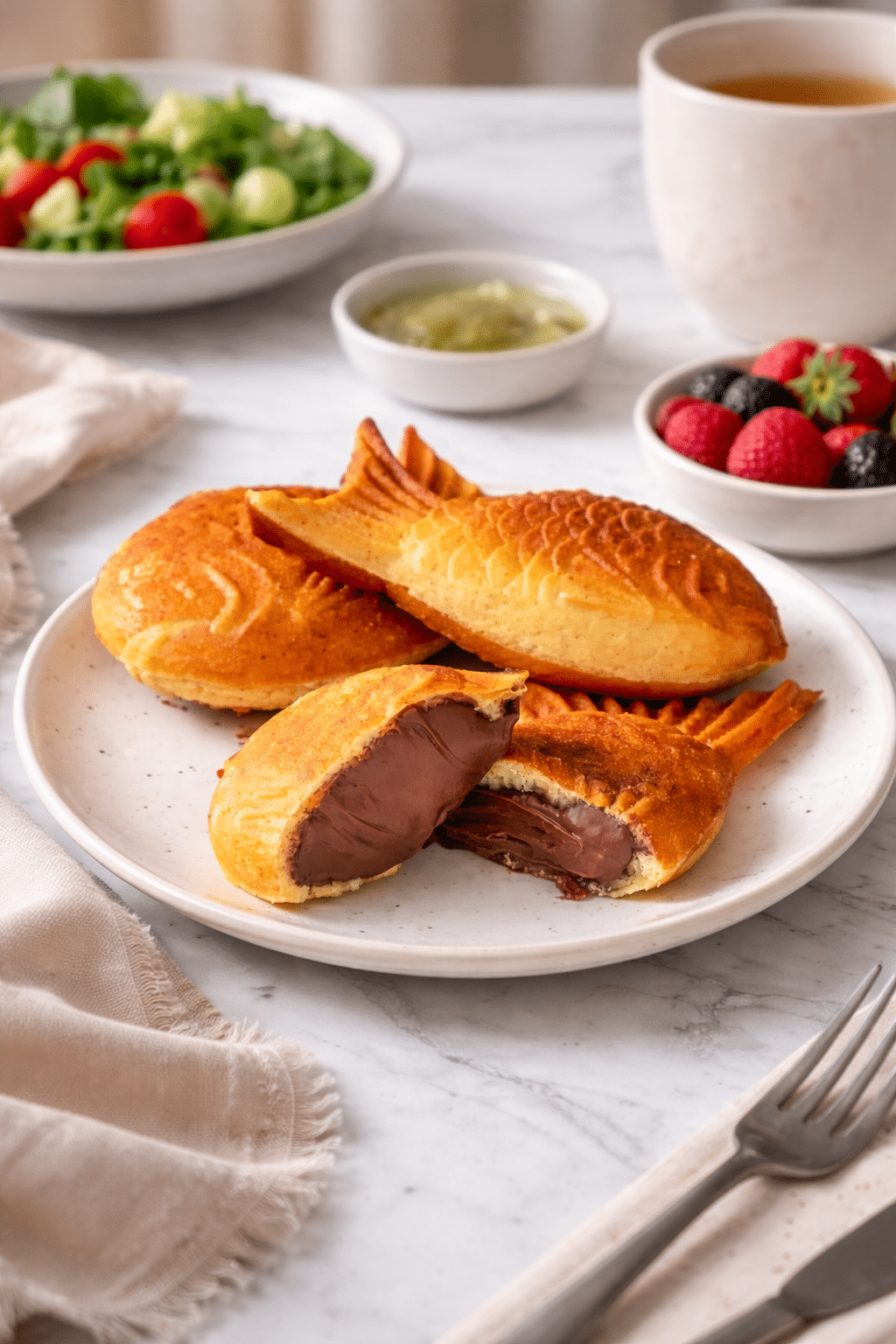
How I Serve Taiyaki
I serve these warm and usually let people choose a dip or topping. I like to keep it casual and plated with small bowls for extras. Chef Thomas
- A light dusting of powdered sugar for simple sweetness.
- A small scoop of ice cream on the side for a warm-and-cold contrast.
- A drizzle of chocolate or a smear of condensed milk for kids who want more sweetness.
When guests are around, I lay them out on a tray and let everyone pick fillings and toppings. They’re handheld and a little playful, which makes them great for an afternoon when people are lingering in the kitchen.
Variations and Adjustments for Taiyaki
Taiyaki is a flexible little recipe, and I’ve made small changes over the years depending on what I had on hand and who I was cooking for. As Chef Thomas, I keep the method the same and only adjust things that won’t throw off the batter or the cook time.
Filling Choices
If you want something classic, sweet red bean paste stays neat and cooks cleanly. Custard and chocolate work well too, but I keep the portion modest so it does not push out toward the edges while the pan closes.
Batter Texture and Thickness
If your batter feels too thick to pour smoothly, whisk it well and let it rest a few minutes before deciding it needs anything. A smoother batter spreads more evenly in the mold and gives you a cleaner shape with fewer gaps.
Cooking and Browning
For a lighter color and softer shell, keep the heat on the lower side of medium and cook a bit longer. If you like a deeper, crisper finish, hold the pan at steady medium heat and let each side fully brown before flipping.
Small changes are fine, but if you adjust too many things at once, it gets harder to control browning and keep the filling sealed.
Storing and Making Taiyaki Ahead
Taiyaki is best the day it’s made, but I’ve learned through repetition that it can still be handled well the next day if you store it properly. As Chef Thomas, I treat leftovers with the same care as the first batch, especially when I’ve made a few extra for later.
In the refrigerator, they keep well for about 2 days in an airtight container. The shell will soften slightly as it sits, which is normal. I let them cool completely before storing so condensation does not make them damp.
Freezing works if you wrap each piece tightly and place them in a freezer-safe bag. I freeze them without stacking to protect the shape. They will not be quite as crisp after thawing, but the flavor holds up if reheated gently.
If I plan ahead, I sometimes mix the batter a few hours early and keep it chilled, then cook fresh when ready to serve. The filling can also be portioned ahead so assembly moves quickly. I prefer cooking them close to serving time for the best texture.
To reheat, I use a dry skillet over low heat for a few minutes per side until the outside feels lightly crisp again and smells warm. I avoid the microwave when possible, since it softens the shell too much.
The Small Detail That Makes Taiyaki Work
Most people rush the heat. They turn the burner a little too high, hoping to get that golden color faster, and end up with a shell that browns before the inside has time to cook through.
Over the years, I noticed that when I slowed down and kept the heat steady at medium, the texture improved every single time. As Chef Thomas, repetition has shown me that Taiyaki rewards patience more than speed.
The small adjustment is simple. Keep the pan at a moderate temperature and give each side the full 3 to 4 minutes so the batter sets gradually and forms a crisp exterior without scorching. Even heat control, like the basics described in this cooking fundamentals article, helps the batter set properly before deep browning begins.
It’s a small change, but it made this recipe far more reliable for me.
As Chef Thomas at Tomatillo Recipes, even when I work with tomatillos in savory dishes, I lean on the same steady heat approach.
FAQ About Taiyaki
Can I make this without a taiyaki pan?
A traditional pan gives you the fish shape and even thickness, but you can use a small waffle iron or stovetop mold in a pinch. The texture will still be crisp outside and soft inside. You just will not get the classic look.
Why is my batter leaking out of the sides?
This usually happens when the filling is placed too close to the edges. Keep it centered and use just enough batter to seal it. I also make sure the pan is not overfilled before closing it.
How do I know when it’s fully cooked?
Look for an even golden brown color on both sides. It should feel lightly crisp when pressed and smell slightly toasty. If the outside browns too fast, lower the heat and give it more time.
Can I make the batter ahead of time?
Yes, you can mix it a few hours in advance and keep it covered in the refrigerator. I give it a gentle stir before using it so the texture stays smooth. As Chef Thomas, I find same-day batter gives the most reliable results.
What fillings work besides red bean paste?
Custard, chocolate, or even matcha cream work well. The key is using a filling that is thick enough to stay in place as it cooks. If it spreads too easily, it can seep into the edges.
Final Thoughts on Taiyaki
Taiyaki is the kind of recipe I return to when I want something simple that still feels thoughtful. It asks for a little attention at the stove, but once you understand the timing, it becomes steady and reliable. As Chef Thomas, I’ve made this enough times to know it holds up in a real home kitchen. If you are planning a full meal, you can always browse the Main Dishes for something savory to balance it out.