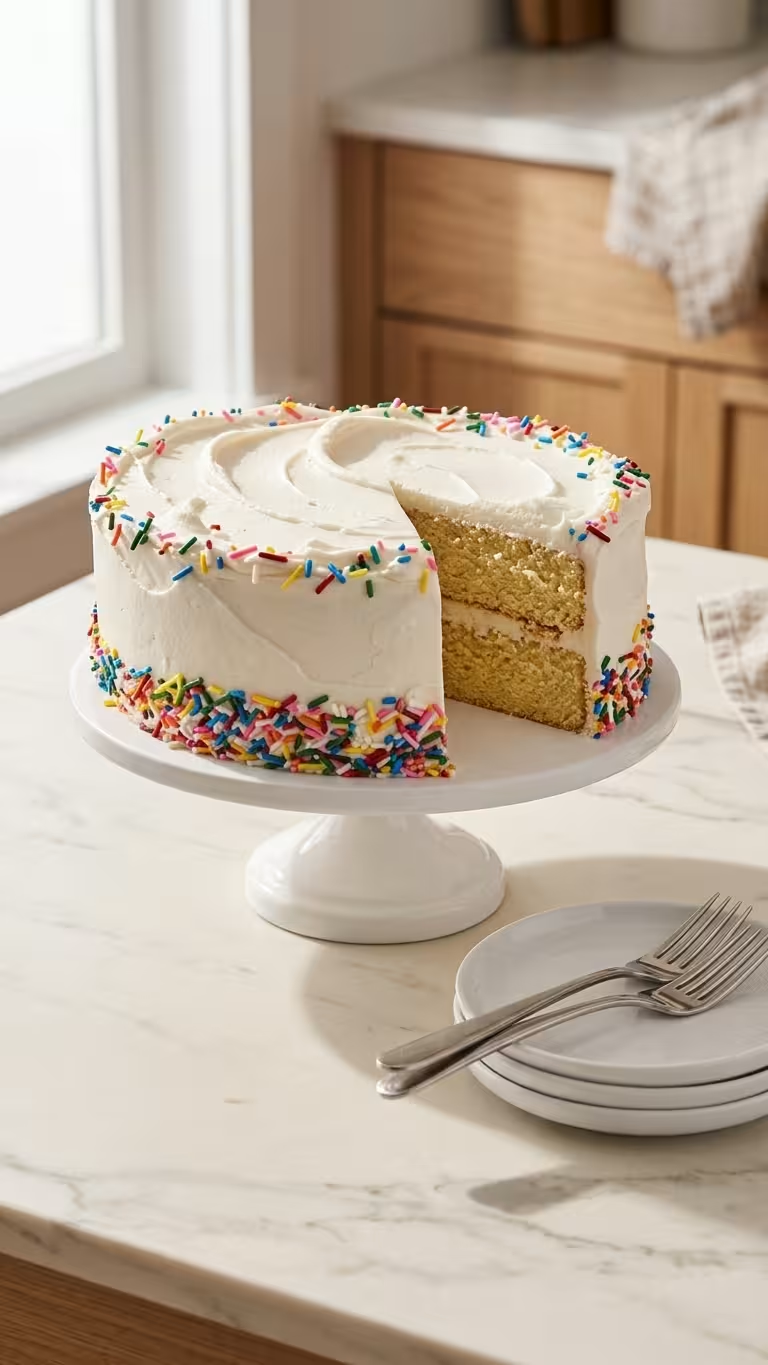
Vanilla Layer Cake is a real staple in any good home kitchen. For over 40 years, I’ve seen how a simple vanilla cake can bring smiles, especially when it’s done right. As a classic example of a traditional layered cake, it relies on simple structure and good technique.
This recipe is the one I’ve relied on countless times, a tried-and-true method that delivers a moist, tender crumb and that classic vanilla flavor everyone loves. Vanilla itself is one of the most widely used flavors in baking, valued for its ability to enhance other ingredients while standing strong on its own .
It’s not fancy, but it’s honest. If you enjoy dependable classics like this, you might also appreciate this rich homemade chocolate cake. It teaches you the basics of good baking and builds your confidence, which is exactly what Chef Thomas wants for you in your kitchen.
- Classic flavor that works for any occasion
- Tender crumb that stays soft when handled properly
- Uses simple, familiar ingredients
- Requires attention to mixing and baking time
- Layers can dry out if overbaked
Table of Contents
Why You’ll Love Vanilla Layer Cake
I’ve baked more cakes than I can count over my career, and if there’s one thing I’ve learned, it’s that the simplest recipes, done well, are often the best.
This Vanilla Layer Cake isn’t just a recipe, it’s a foundation for so many good memories around the kitchen table. Here’s why I believe you’ll come to love it as much as I do:
A Forgiving Recipe: We’ve all forgotten to soften butter for a cake before. With this recipe, you melt the butter. No more waiting around, no more stressing. It’s a small adjustment that makes baking feel easier and more relaxed. I remember one time, my youngest grandson wanted to help me bake a cake, and we were in a hurry. Being able to just melt the butter saved us time and made the whole process more enjoyable for him.
Moist and Tender Every Time: The combination of melted butter and a bit of oil keeps this cake incredibly moist. It has a soft, velvety crumb while still being sturdy enough to stack without falling apart, which is something I refined over many batches.
Perfectly Stackable: Layer cakes can feel a bit intimidating, but this batter gives you layers that hold their shape without becoming dense. It makes assembly simpler and more reliable.
True Vanilla Flavor: With a generous amount of vanilla in both the cake and the frosting, the flavor comes through clearly. It’s warm, balanced, and familiar without being overly sweet.
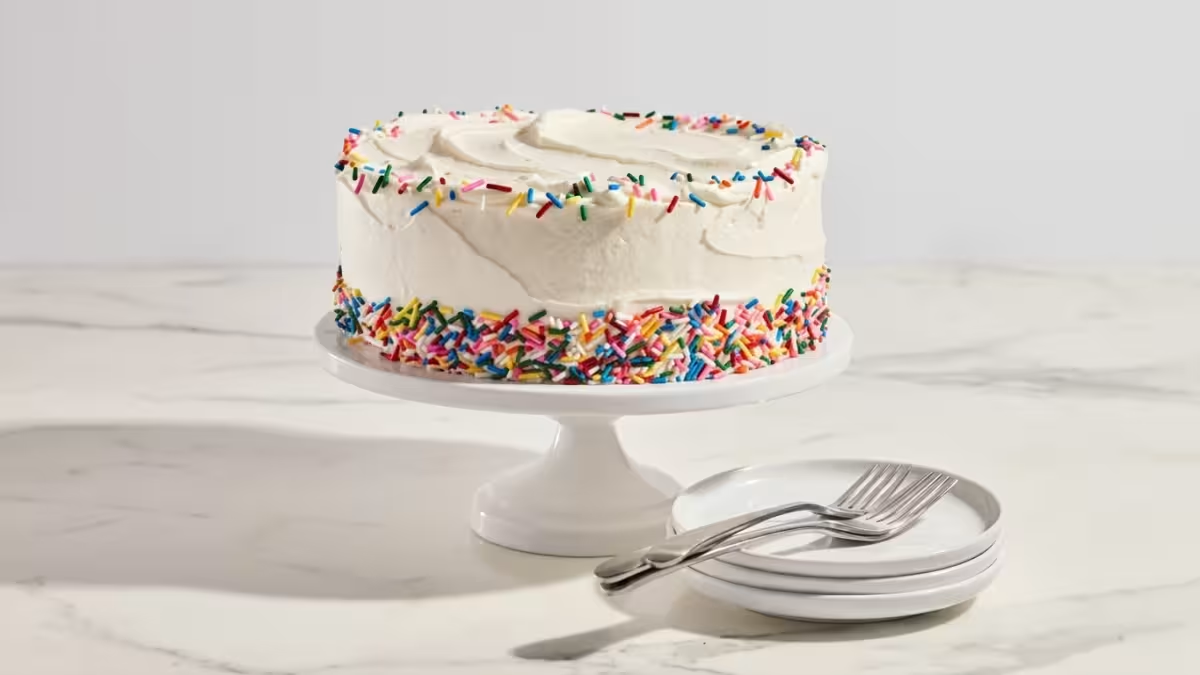
Just Right for Sprinkles: The buttercream is smooth and easy to work with, making it ideal for finishing with sprinkles. It’s a small detail that adds a bit of fun to the final result. If you enjoy cakes with a rich, buttery base, you might also like this classic butter-rich cake option.
Get The Recipe

Vanilla Layer Cake
Ingredients
Equipment
Instructions
- Heat the oven to 350°F. Spray 2 (8- or 9-inch) round cake pans with baking spray with flour (or grease them generously).
- Whisk the flour, baking powder, baking soda, and salt together in a bowl and set aside.
- Melt the 1/2 cup butter in a small saucepan over low heat. Add the milk and heat until warm. Stir in the oil. (Alternately use a glass measuring cup and melt the butter with the milk in the microwave, then stir in the oil.)
- In a large mixing bowl, beat the eggs, granulated sugar, and vanilla with a whisk, electric hand mixer, or stand mixer fitted with the whisk attachment for 1 to 2 minutes, or until the sugar has begun to dissolve and the mixture has gained some volume, is foamy, and uniformly pale yellow. Scrape down the sides of the bowl with a silicone spatula.
- Alternately add the flour mixture and warm milk mixture to the beaten eggs in a few additions, beginning and ending with the flour mixture. Make sure to mix well and scrape down the bowl between each addition.
- Divide the batter evenly between the prepared pans, gently tapping each pan to release any large bubbles from the batter.
- Bake the cakes on the center rack of the oven for 28 to 30 minutes or until the tops are gently puffed, golden, and spring back when lightly touched.
- Remove from the oven and cool in the pans for at least 15 minutes before turning out onto a cooling rack. Cool completely before filling and frosting.
- When you are ready to assemble the cake, add the 1 cup softened butter to a large mixing bowl (or a stand mixer fitted with the paddle attachment) and beat until creamy.
- Add the powdered sugar in 2 to 3 additions, beating well and scraping down the bowl between each addition. Beat for 30 seconds to combine.
- While still mixing, gradually add the heavy whipping cream, pausing to scrape down the bowl once all the cream has been added.
- Add the vanilla and salt. Continue to beat until the buttercream is creamy and fluffy, about 2 minutes.
- To assemble the cake, spread a dollop of frosting onto a serving plate or cake board. Place one of the cake layers on top. Spread 1/3 of the buttercream on top of the cake in an even layer before placing the other cake layer on top.
- Using an offset spatula or the smooth side of a butter knife, smooth the buttercream between the two layers, adding more buttercream to patch any holes.
- Cover the entire cake with the remaining frosting, using an offset spatula to smooth and swirl however you like. Or coat the cake in a very thin layer of buttercream to create a “crumb coat” (a frosting layer to trap any stray crumbs), and refrigerate until the surface has chilled, before frosting and decorating with sprinkles as desired.
Ingredients for Chef Thomas’s Vanilla Layer Cake
| Amount | Ingredient |
|---|---|
| 2 1/4 cups | Gold Medal™ All Purpose Flour |
| 1 1/2 teaspoons | baking powder |
| 1 teaspoon | baking soda |
| 1 teaspoon | kosher salt (reduce to 1/2 teaspoon if using table or fine salt) |
| 1/2 cup | unsalted butter |
| 1 cup | whole milk |
| 1/4 cup | vegetable oil |
| 3 large | eggs |
| 1 1/4 cups | granulated sugar |
| 4 teaspoons | vanilla |
| 1 cup | unsalted butter, softened |
| 2 1/2 cups | powdered sugar |
| 1/4 cup | heavy whipping cream |
| 1 tablespoon | vanilla |
| Pinch | of salt |
| Betty Crocker™ Sprinkles (optional but encouraged) |
This list has everything you need for both the cake layers and that lovely, creamy frosting.
Using good quality ingredients, especially your vanilla, makes a real difference in the final taste.


How To Make Vanilla Layer Cake
Equipment and Tools I Used for This Recipe
For a classic layer cake like this, having a few reliable tools makes all the difference. I like to keep things simple, focusing on equipment that helps achieve even layers and a smooth finish without added stress.
Product 1 — Main Tool
Round Cake Pans 8 Inch Set
Product 2 — Prep Tool
Electric Hand Mixer
Product 3 — Convenience Tool
Offset Spatula
A small set of dependable tools can make baking feel more comfortable and consistent. Browse my complete list of recommended cooking essentials.
Tips From Chet Thomas
How I Serve Vanilla Layer Cake
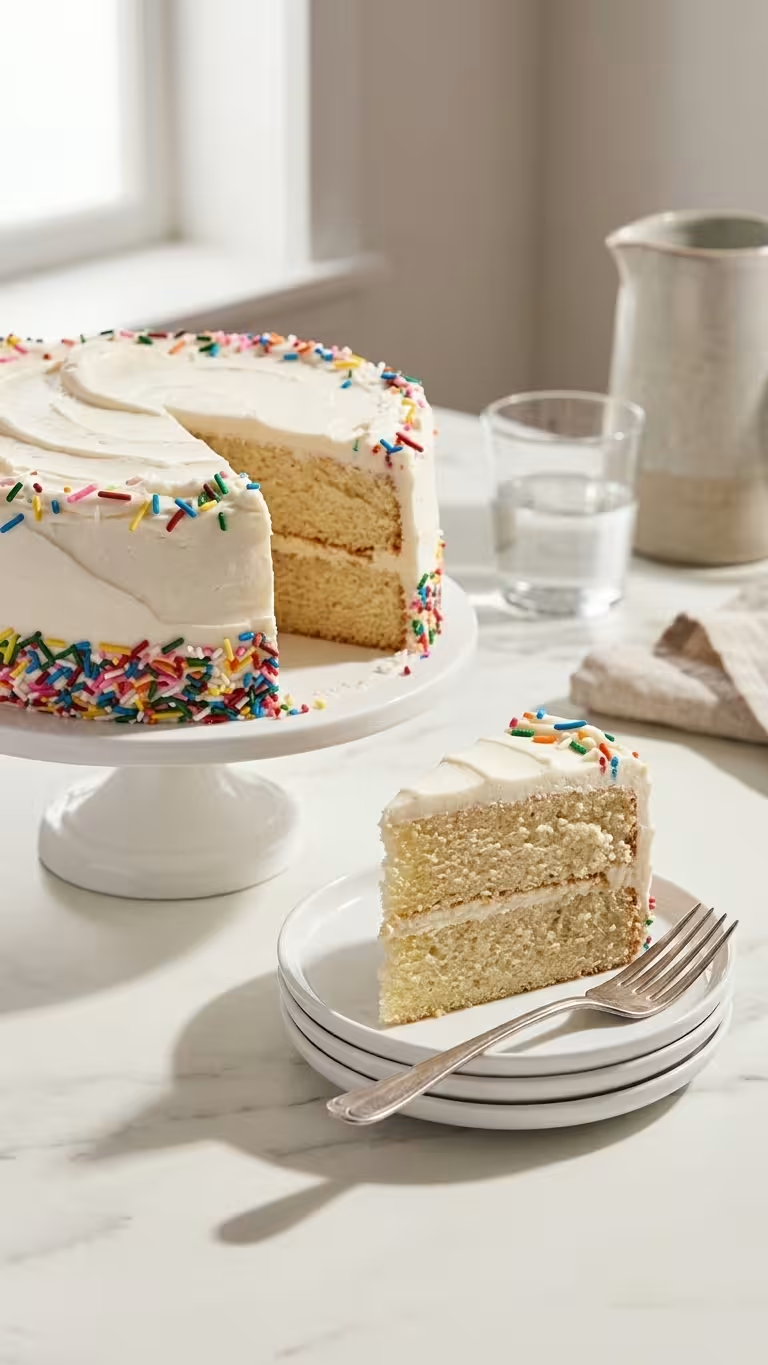
Vanilla Layer Cake is best served at room temperature, when the crumb is soft and the frosting is smooth and easy to cut. I usually slice it with a clean, sharp knife to keep the layers neat and presentable.
A simple approach works well here. I like to serve it as is, letting the vanilla flavor stand on its own, or with a handful of fresh berries on the side for a bit of contrast. A light dusting of powdered sugar or a few sprinkles can add a nice finishing touch without overcomplicating things.
For a more relaxed setting, a slice alongside a cup of coffee or tea makes it feel just right. Cakes like this are often enjoyed during celebrations or everyday moments alike, as cakes are traditionally served for occasions like birthdays and gatherings.
The Small Detail That Makes This Work
Over my decades in the kitchen, I’ve seen food trends come and go, but some things just stick around because they are fundamentally good.
A homemade vanilla layer cake is one of those things. It’s not about complex techniques or exotic ingredients; it’s about getting the basics right and sharing something truly delicious.
I remember one time, early in my career, I was trying to impress a mentor with some elaborate dessert.
He took one look and said, ‘Thomas, where’s the soul in this? Show me a good vanilla cake, then we’ll talk.’ That stuck with me. It taught me that real cooking, real baking, comes from a place of understanding simple flavors and making them shine.
This particular recipe, with its melted butter and oil, came about from a desire to make a moist cake that didn’t demand perfectly softened butter. Life in a busy kitchen, whether at home or in a restaurant, often means you don’t have all the time in the world.
I found that by warming the milk with the melted butter, the batter came together beautifully, resulting in a cake that was consistently tender and flavorful. It was a small adjustment that made a big difference, removing a common point of stress for many home bakers, a problem Chef Thomas was happy to solve.
It’s about finding those little shortcuts that don’t compromise quality, but instead enhance the experience of baking at home. This cake isn’t just dessert; it’s an invitation to slow down, to gather, and to enjoy something made with care, plain and simple.
There’s a real satisfaction that comes from making a cake from scratch, especially one as comforting and reliable as this vanilla layer cake. If you enjoy simple, dependable bakes, you might also like this easy and moist banana bread.
It’s a project that rewards your efforts with a delicious treat and, often, a happy memory. Don’t worry about making it perfect; focus on the joy of the process and the wonderful aroma filling your kitchen.
Every cake baked, every frosting swirl, is a step in your own cooking journey. This recipe has served my family and me well for many years, and I’m confident it will do the same for you. I hope you find this recipe to be a true friend in your kitchen, just as Chef Thomas has always intended.
Variations and Adjustments for Vanilla Layer Cake
One of the strengths of a vanilla layer cake is how easily it adapts to different tastes and occasions. I often make small adjustments depending on what I have on hand or the kind of flavor I want to bring forward.
You can switch the flavor profile by adding citrus zest, such as lemon or orange, to the batter for a lighter, brighter finish. A touch of almond extract alongside the vanilla also gives the cake a slightly deeper, more rounded flavor.
For a richer version, I sometimes replace part of the milk with buttermilk or sour cream. This adds a subtle tang and helps keep the crumb soft and tender.
If you prefer a different texture, you can turn this into a sheet cake by baking it in a single pan instead of layers. It simplifies the process and still delivers the same flavor.
The frosting can be adjusted just as easily. A chocolate buttercream, cream cheese frosting, or even a light whipped topping all work well depending on the occasion. If you enjoy playful dessert variations, you might also like these cinnamon sugar donut-style bites, which bring a completely different texture and flavor experience.
These small changes allow you to make the recipe your own while keeping the foundation solid and reliable.
Storing Your Vanilla Layer Cake and Making It Ahead
A vanilla layer cake keeps well when handled with a bit of care, and I’ve found that simple storage makes all the difference. Once the cake has cooled completely, cover it well to protect it from air, which is the main cause of dryness.
At room temperature, a frosted cake can stay fresh for about 2 to 3 days if kept covered or in an airtight container . If your kitchen is warm or the cake includes perishable ingredients, it’s better to store it in the refrigerator, where it can last up to 4 to 5 days . Just remember to let it come back to room temperature before serving so the texture softens again.
If you plan to make the cake ahead, I often bake the layers a day or two in advance. Wrap them tightly in plastic once cooled and keep them at room temperature, or refrigerate if needed. For longer storage, the layers can be frozen for up to a few months when wrapped properly, which helps preserve both flavor and texture .
When you are ready to serve, assemble and frost the cake fresh for the best result. If you enjoy planning desserts ahead like this, you might also like this warm and comforting cinnamon coffee cake, which follows a similarly practical approach to baking and storing.
Taking a little time to store it properly ensures the cake stays just as enjoyable the next day as it was when first baked.
FAQ About Vanilla Layer Cake
Can I use cake flour instead of all-purpose flour?
Yes, you can. Cake flour will give you an even more tender crumb. If you use it, you might need to adjust the liquid slightly, as cake flour absorbs less than all-purpose. Start with the recipe as written and see if your batter seems too thick.
My cake layers domed in the middle. What did I do wrong?
A little doming is normal. It often means your oven might be a touch too hot, causing the outside to set faster than the inside. You can try reducing the oven temperature by 25°F next time. You can also trim the tops level with a serrated knife after they cool for easier stacking.
How do I prevent my cake from sticking to the pan?
Generously grease and flour your pans, or use a good quality baking spray with flour in it. Make sure you don’t skip the cooling time in the pan before inverting them onto a rack. This allows the cake to firm up enough to release cleanly.
Can I make this a chocolate cake?
This specific recipe is for vanilla. To make a chocolate cake, you’d need a different recipe that includes cocoa powder and adjusts other ingredients accordingly.
Why is my buttercream gritty?
Gritty buttercream usually means your powdered sugar hasn’t fully dissolved. Make sure you’re beating the buttercream long enough, especially after adding the sugar and liquid. Sifting your powdered sugar before adding it can also help.
Can I halve this recipe?
Yes, you can halve all the ingredients and bake it in a single 8-inch round pan for a smaller, single-layer cake, or even in a loaf pan. Adjust baking time accordingly.
How long does homemade buttercream last?
Homemade buttercream, made with butter and cream, will last at room temperature for about 2-3 days, covered. In the refrigerator, it can last for up to a week. If refrigerated, bring it to room temperature and re-whip it slightly before using.
Final Thoughts on Vanilla Layer Cake
Vanilla Layer Cake is one of those recipes that reminds me why the basics matter. It’s simple, familiar, and built on the kind of foundation that has made cakes a lasting part of home baking traditions, as cakes have long been a staple dessert made from flour, sugar, and simple ingredients.
If you enjoy soft, classic cakes like this, you might also like these light and colorful velvet cupcakes, which bring a slightly different take while keeping that same comforting feel.
For me, this recipe is not about impressing anyone, it’s about consistency and sharing something that feels honest. It’s the kind of cake that earns its place in your kitchen over time, which is exactly what Chef Thomas has always believed good baking should do.