
How to Can Tomatillo Salsa Verde is basically my answer to the late summer problem we all hit sooner or later, which is having a mountain of tomatillos and a serious fear of wasting them. I used to toss extra jars in the fridge and promise myself I would use them up, and you already know how that ends. Once I finally learned what tomatillos actually are and why they act the way they do in salsa, everything clicked, and this quick read on what a tomatillo is helped me explain it to my family too. Canning means I get that bright, tangy salsa verde flavor in the middle of winter, when tacos need a little encouragement. I am going to keep this simple and practical, like a friend talking you through it at the counter. 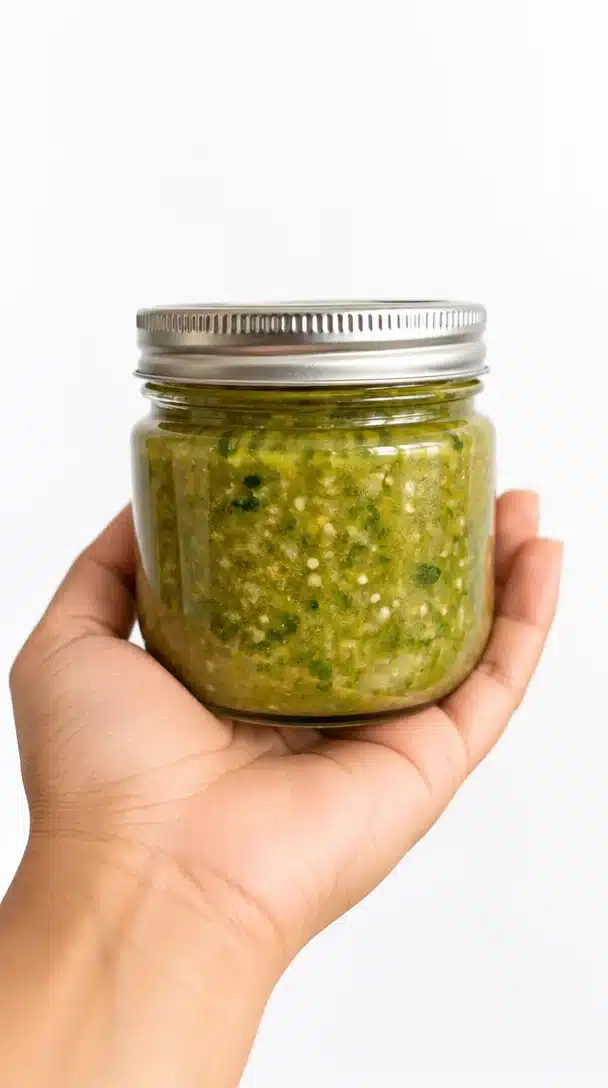
Table of Contents
Steps for Canning Roasted Tomatillo Salsa
Roasting is my favorite way to build flavor fast. The kitchen smells a little smoky and citrusy, and the salsa ends up tasting fuller than a raw blend. For canning, the big goal is consistent acidity and a process that actually seals the jars safely.
My basic roasted salsa verde flow
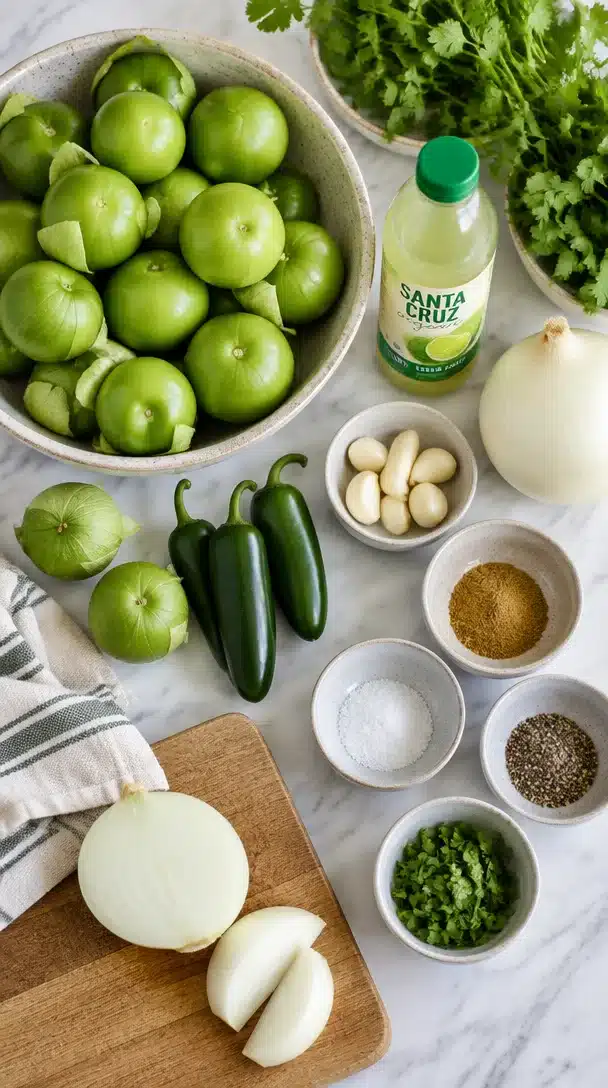
I like to keep the ingredient list straightforward, then I tweak heat levels at serving time. Here is the general approach that works well for home canning.
- Tomatillos: husked, washed well to remove the sticky feel
- Onion and garlic:</b for sweetness and backbone
- Peppers:</b jalapeno or serrano, based on your heat comfort
- Acid:</b usually bottled lime juice, sometimes vinegar if the tested recipe calls for it
- Salt and spices:</b cumin is optional, cilantro is usually added after opening a jar for fresher flavor
Here is how I do it in real life:
First I roast tomatillos, onion, garlic, and peppers until they get some blistered spots. Then I blend everything until it is the texture I like. After that I simmer the salsa so it is hot going into hot jars. I ladle it into clean jars, leave the correct headspace, wipe rims, add lids, and process in a boiling water canner for the time recommended for your jar size and altitude.
If you want a solid, step by step canning focused version that matches the roasted approach, I have leaned on this before: roasted tomatillo salsa verde canning recipe. It is the kind of reference I like having open on my phone while my hands are busy.
A quick note from my own mistakes: do not wing the acid part. The salsa can taste perfect on the spoon, but the canning safety is about pH, not vibes. When I am making How to Can Tomatillo Salsa Verde at home, I follow a tested recipe for ratios and processing time, then I play with extras after I open the jar.
Home Canning Checklists
I am a checklist person, mostly because canning day gets chaotic. Something is always bubbling, the dog always wants to be underfoot, and I always forget where I put the jar lifter. A simple list keeps it calm and helps me avoid skipping a safety step.
Before you start checklist
Run through this before the tomatillos even hit the pan:
Kitchen setup: Clear counters, set out towels, and make sure you have space for hot jars to cool undisturbed.
Equipment: Boiling water canner or deep pot with rack, jar lifter, canning funnel, ladle, bubble remover, clean towels, timer, and a way to adjust for altitude if needed.
Jars and lids: Use standard mason jars meant for canning. Check rims for nicks. Use new lids each time, and follow the brand directions for warming them.
Recipe: Print it or keep it open. Stick to the tested ingredient ratios, especially the acid.
During canning checklist
This is the part that keeps your jars sealing and your food safe:
Hot salsa into hot jars: Temperature matters for a strong seal.
Headspace: Measure it. Too little can cause siphoning, too much can lead to sealing problems.
Remove bubbles: Slide a non metal tool around the inside to release trapped air, then recheck headspace.
Clean rims: Wipe with a clean damp cloth so the lid can grip properly.
Processing time: Start timing only when the water returns to a full boil.
After canning checklist
This part feels like the reward, but do not rush it:
Cool down: Let jars cool 12 to 24 hours without touching the lids or moving them around.
Check seals: Press the center of the lid. It should not flex up and down.
Label: Write the date and what it is. Future you will be grateful.
Store smart: Cool, dark place. If a jar did not seal, refrigerate and eat soon.
This checklist is exactly why How to Can Tomatillo Salsa Verde feels doable even on a weekday afternoon. When I have a system, I am not second guessing myself every two minutes.
6 Tips to Prepare for Canning Season
When canning season hits, it hits hard. One week you are buying two tomatillos for dinner, and the next week your garden or farmers market haul is basically a green boulder on the counter. These are the little habits that make the whole thing smoother.
1. Do a quick gear check now. Make sure your canner rack fits your pot, your jar lifter is not bent, and your thermometer and timers work.
2. Buy jars before everyone else does. In peak season, jars disappear. If you see a case early, grab it.
3. Plan your recipes in batches. I choose one canning project per day. Salsa one day, jam another. Trying to do everything at once makes me sloppy.
4. Keep your workspace boring. I mean that in the best way. Clear counters, no clutter, and a trash bowl for husks and pepper stems.
5. Protect your hands and eyes. Pepper oils are no joke. Gloves help. And please do not touch your face after chopping serranos. I learned that the hard way.
6. Decide your heat level later. For canned salsa, I keep the recipe steady and safe. If I want it hotter, I add fresh chopped chili or hot sauce after I open the jar. It keeps the canning process simple and the flavor flexible.
Every year I get a little more confident, and every year I still rely on these basics. How to Can Tomatillo Salsa Verde is not about being fancy, it is about being consistent.
Safe Substitutions for Home Canning Recipes
This is the section where I gently say no to the tempting swap ideas we all have in the moment. Canning is not like making soup where you can toss in whatever is in the fridge. Some substitutions are fine, and some can make the final jar unsafe.
Safe or usually safe swaps:
Switching pepper types: You can often swap jalapeno for serrano or vice versa, keeping the total amount the same. The heat changes, but the acidity does not swing wildly.
Dried spices: You can typically change dried spice amounts a little for taste. Just do not use them to replace acid.
Salt level: In many canning recipes, salt is there for flavor, not safety. You can usually reduce it, but check your specific tested recipe notes.
Things I do not mess with:
Do not reduce the bottled lime juice or vinegar: That is part of what makes salsa safe for boiling water canning.
Do not add extra low acid ingredients: Extra onion, extra peppers, or extra garlic can change the balance. I know it is tempting.
Do not thicken with flour or cornstarch before canning: It can affect how heat moves through the jar. If you want a thicker salsa, simmer it longer to reduce, but follow the recipe guidance.
If you are serious about learning How to Can Tomatillo Salsa Verde, this substitution mindset is half the battle. Flavor tweaks are fun, but safety is the point of canning.
Ways to Preserve Tomatoes: Freezing, Drying, Canning, and More
Even though we are talking tomatillos today, I always end up preserving regular tomatoes around the same time. It is all part of the late summer rush. If you are staring at baskets of tomatoes and wondering what is worth your time, here are the options I actually use.
Freezing: The easiest. I wash, core, and freeze whole tomatoes on a tray, then bag them. Skins slip off easily when thawed. Great for sauces and soups, not great for fresh slices.
Drying: Awesome if you like concentrated tomato flavor. You can use a dehydrator or low oven. Store dried tomatoes airtight, and rehydrate as needed. This is a good choice when you have limited jar space.
Canning: The classic for shelf stable storage. Whole, crushed, sauce, and salsa. It takes the most setup, but it feels like putting summer on a shelf. This is also why I come back to How to Can Tomatillo Salsa Verde every year, because having jars ready makes weeknight dinners so much easier.
Fermenting: A fun side road if you like tangy flavors. Fermented tomato salsa is delicious, but it is a different method with different safety rules, and it is usually refrigerated storage.
Roasting and then freezing: This is my lazy genius method when I am overwhelmed. Roast tomatoes or tomatillos with onions and peppers, blend, cool, and freeze in containers. Not shelf stable, but fast and still tastes amazing.
When you get into preserving, you start mixing and matching methods depending on your schedule. If I have a free afternoon and clean jars, I can. If I have zero patience, I freeze. And if I want something to read while my jars cool on the counter, I like seeing how other cooks approach it too. This post from Canning Salsa Verde, Made With Tomatillos – Heartbeet Kitchen is a good example of that, and it is comforting to know other people also treat salsa verde like a pantry essential.
If you take one thing from my kitchen to yours, let it be this: keep it tested, keep it clean, and keep it simple. That is how How to Can Tomatillo Salsa Verde turns into a habit you actually enjoy, not a stressful project you avoid.
Tomatillo Salsa Verde
Ingredients
Instructions
- Preheat the oven to 425°F (220°C).
- Roast tomatillos, onion, garlic, and peppers until they develop blistered spots.
- Blend the roasted ingredients until you reach your desired texture.
- Simmer the blended salsa to heat it thoroughly before canning.
- Ladle the hot salsa into clean jars, ensuring to leave the correct headspace.
- Wipe the rims of the jars and add lids.
- Process jars in a boiling water canner according to your jar size and altitude.