
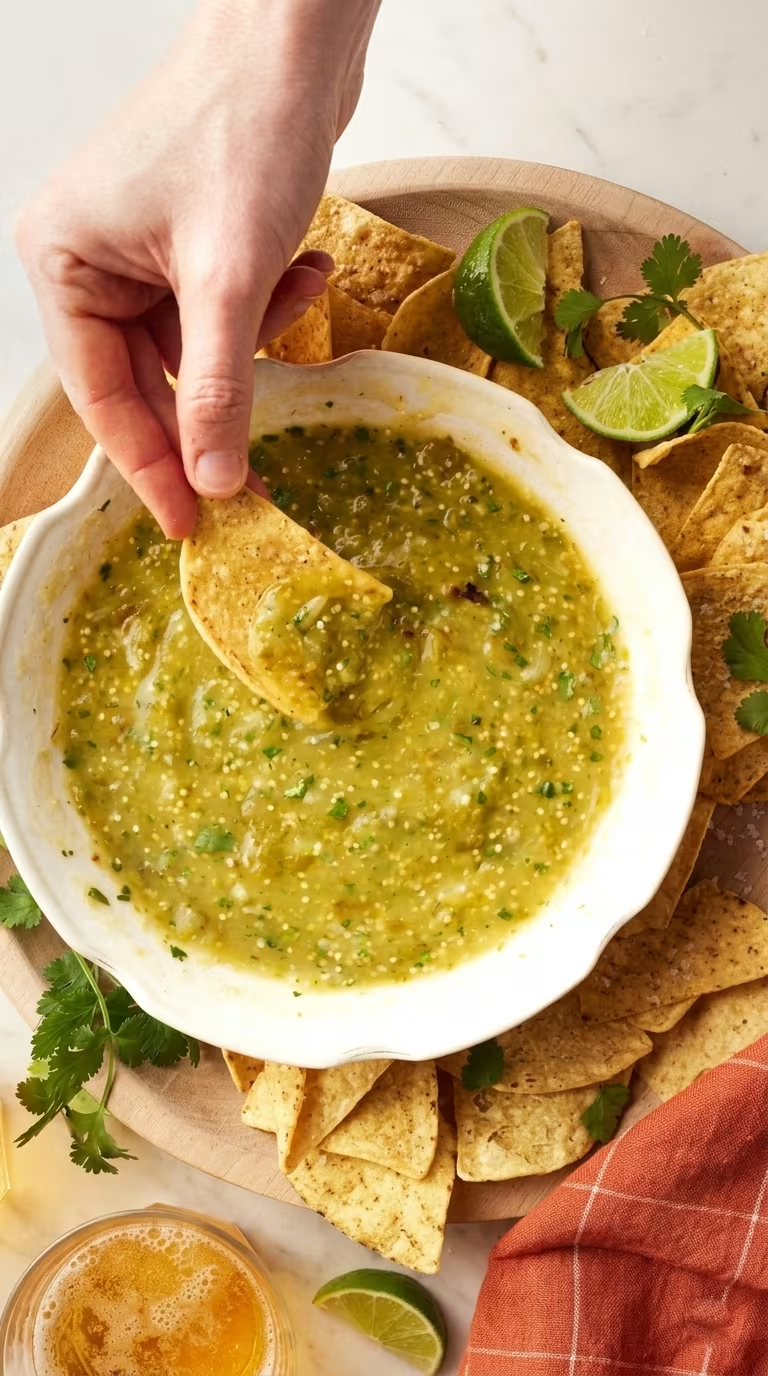
omatillo salsa verde is a roasted green salsa built almost entirely around one ingredient: the fresh tomatillo. Husked, rinsed, and run under high heat until blistered, tomatillos release their natural sugars, mellow their sharp acidity, and become the structural base of a sauce that is both bright and deep at the same time.
The acid they carry gives this homemade salsa verde its signature tang without any vinegar, and the roasting step adds a subtle smokiness that no jarred version can replicate.
This is a 30-minute recipe. You need a baking sheet, a blender or food processor, and a handful of fresh ingredients. Whether you’re after a simple tomatillo green salsa to spoon over tacos or a go-to green dipping sauce for the table, the method stays the same.
I have made this dozens of times over the years and it still disappears faster than anything else I put out. If you are new to tomatillos, What Is a Tomatillo covers everything you need to know before you start.
| Serves | 8 (about 2 cups) |
| Prep Time | 10 minutes |
| Cook Time | 20 minutes |
| Total Time | 30 minutes |
| Skill | Easy |
| Cost | Budget |
Table of Contents
What Is Tomatillo Salsa Verde?
Salsa verde — literally “green sauce” is one of the foundational condiments of Mexican cooking. Unlike the red salsas that rely on dried chiles or cooked tomatoes, salsa verde is built on the Physalis philadelphica, the tomatillo, a husked fruit in the nightshade family that is native to Mexico and Central America. It appears on tables across the country, from street taco stands to home kitchens, and it functions as both a table sauce and a cooking base.
What makes a tomatillo salsa verde distinct from other green sauces is the fruit itself. A tomatillo carries natural malic acid and citric acid in concentrations that no tomato can match it is structurally an acidic fruit before any lime or vinegar is added. That acidity does the heavy lifting in the sauce: it brightens, it preserves, and it cuts through the fat of whatever it is served alongside. Add fresh chile for heat, raw onion and garlic for depth, and cilantro for the herbal layer, and the sauce is complete. Nothing needs to simmer. The tomatillo does the work.
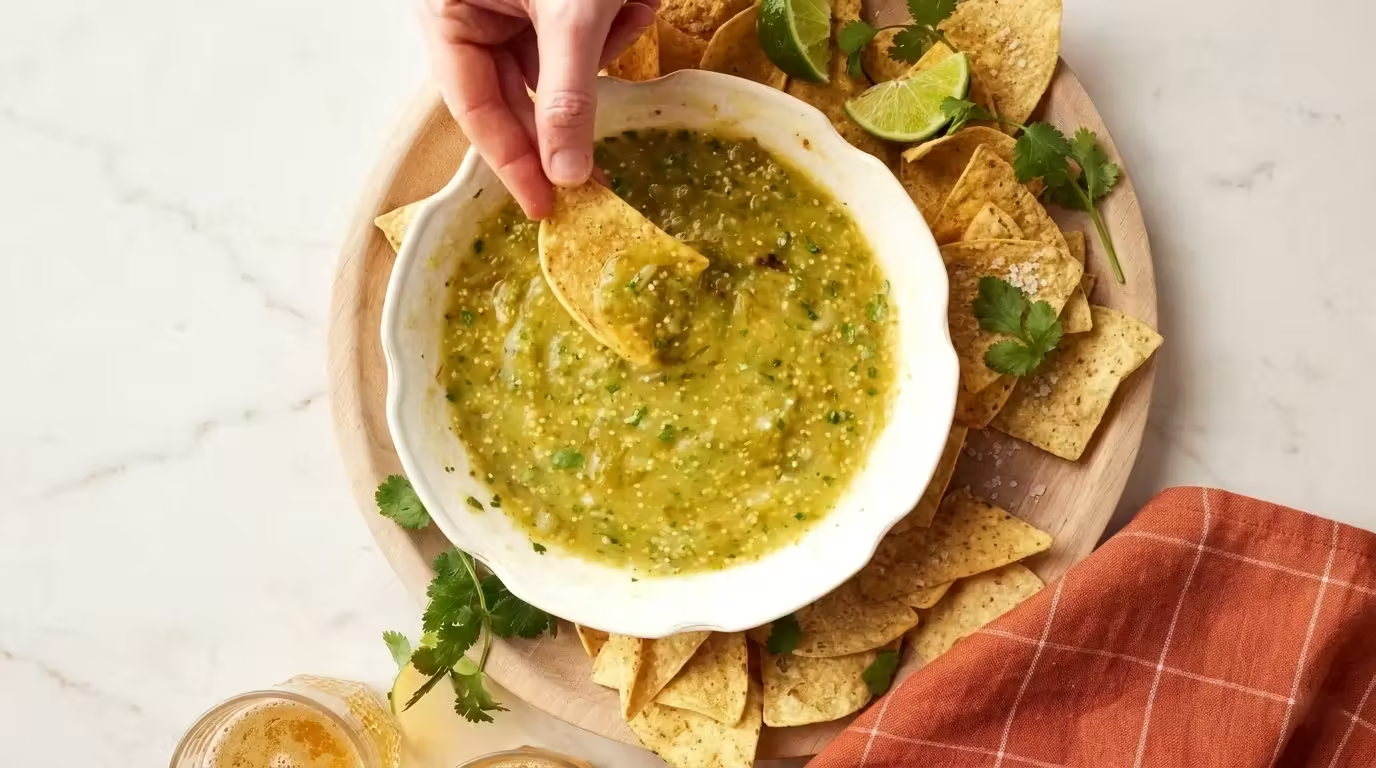
This version differs from chile verde or a tomatillo enchilada sauce in one important way: it stays raw in texture after blending, even though the tomatillos are roasted first. It is a condiment, not a braise liquid. The consistency is thicker than a pourable vinaigrette but looser than a paste — it coats a chip without dripping, clings to a taco without flooding it.
Salsa verde belongs to a wider family of tomatillo-based sauces that appear in different forms across Mexican regional cooking. The same roasted tomatillo base is used in pozole verde, in enchiladas verdes, and as the starting point for braised meats. Learn the roasting step once and it transfers across all of them. The fruit is the constant.

Tomatillo Salsa Verde
Ingredients
Equipment
Instructions
- Preheat the oven to 450°F (230°C). Remove the papery husks from each tomatillo and discard. Rinse under cold water, rubbing the skin to remove the natural sticky coating. Pat completely dry wet tomatillos will steam rather than roast.
- Place the tomatillos and onion chunks on a rimmed baking sheet. Wrap the unpeeled garlic cloves together in a small piece of foil and place on the same sheet. Add the whole chiles directly to the sheet. Drizzle everything with oil and sprinkle lightly with salt.
- Roast for 15–20 minutes until the tomatillos are soft, juicy, and show dark blistered spots on their skins. The onion edges will be slightly charred. The tomatillos should look olive-colored and slightly collapsed not uniformly green and plump. If still firm after 15 minutes, give them 3–5 more minutes.
- Remove from the oven and rest for 2–3 minutes. Transfer the roasted tomatillos and all their accumulated juices into a food processor or blender do not leave the juices on the sheet. Squeeze the roasted garlic from their skins directly into the blender and discard the skins. Add the roasted chiles (stem removed), onion, 2 tablespoons of oil, lime juice, and salt. Process until smooth or slightly chunky depending on preference.
- Add the fresh cilantro and pulse 4–5 times to incorporate without fully puréeing. The color will be a muted, warm olive green. The consistency should be pourable but slightly thicker than a vinaigrette.
- Taste and adjust: add more lime juice if the salsa tastes flat, more salt if the flavors are muted, more chile if the heat is too mild. Let the salsa rest for at least 10 minutes before serving the lime integrates and the flavor improves noticeably.
Notes
The Tomatillo’s Role in Salsa Verde
Raw tomatillos register a pH of approximately 3.6 to 3.8 more acidic than a lemon, and significantly more acidic than a ripe tomato. When exposed to oven heat at 425 to 450°F, two things happen simultaneously. The malic acid concentration drops as moisture evaporates and cell walls break down, which shifts the flavor from sharp and one-dimensional to mellow and complex.
At the same time, the natural sugars in the fruit begin to caramelize at the surface, producing the light char marks that signal the roasting is complete. The flesh turns from firm and bright green to soft and olive-toned — that color change is the visual indicator that the acid has softened and the sugars have developed.
In salsa verde specifically, this matters because the sauce is not cooked after blending. Whatever flavor the tomatillos carry into the blender is the flavor that ends up in the jar. Raw tomatillos blended directly produce a salsa that is aggressively sour and slightly bitter some people like it that way, but most find it one-note.
Roasted tomatillos produce a sauce with layers: the initial tang, then a quiet sweetness, then a faint smokiness from the char. That layering is what makes a roasted salsa verde worth making from scratch.
Canned tomatillos are already cooked and packed in liquid, which means two things are missing in this dish: the char and the concentrated flavor. The liquid they sit in dilutes the sauce body, and the heat processing has already neutralized much of the brightness. I keep canned tomatillos on hand for braises where the sauce will cook for an hour and absorb other flavors. For a salsa verde that stands on its own, I use fresh every time the roasting step is the whole point, and canned tomatillos have nothing left to give to it.
Ingredients
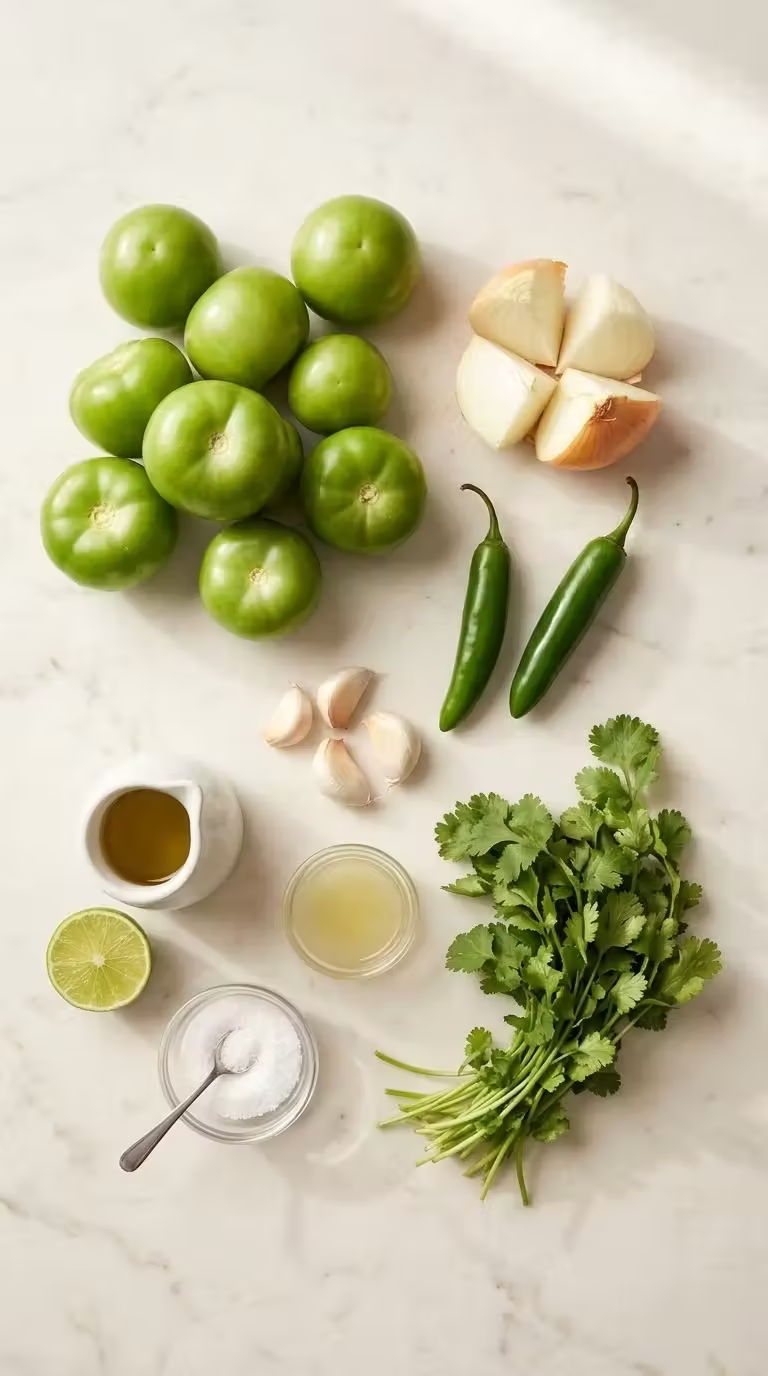
| Ingredient | Amount |
|---|---|
| Fresh tomatillos, husked and rinsed | 9 medium (about 1¼ lbs / 565g) |
| Yellow or white onion, cut into large chunks | 1 small (about 4 oz / 115g) |
| Serrano or jalapeño peppers | 1 to 2 |
| Garlic cloves, unpeeled | 4 |
| Avocado oil or neutral oil | 2 tablespoons (30ml) plus more for drizzling |
| Fresh lime juice | 2 tablespoons (30ml) |
| Fresh cilantro, loosely packed | ½ cup (15g) |
| Fine sea salt | 1¼ teaspoons, plus more to taste |
Ingredient Notes
Tomatillos — start here. A good fresh tomatillo feels firm when you press it and fills its papery husk without rattling around inside it. Pull the husk back and the skin underneath should be bright green and slightly sticky — that stickiness is natural and rinses off cleanly.
Avoid any that are yellowing or soft, which signals overripeness and a loss of the acid structure that makes this sauce work. For this recipe, roasting is not optional. Raw tomatillos blended directly produce a salsa that tastes sharp and unfinished; roasting drives off excess moisture, mellows the acid, and develops the caramelized surface that gives the finished sauce its depth. Skip it and you get a different and noticeably thinner — result.
Chiles. Serranos are hotter and thinner-walled than jalapeños, which means they contribute more direct heat and integrate faster during roasting. Jalapeños are milder and produce a slightly grassier flavor in the finished salsa. I start with one serrano and taste after blending — it is always easier to add heat than to remove it.
Garlic. Keep the cloves unpeeled while they roast. The paper protects the garlic from burning and allows it to steam inside its skin, producing a softer, more mellow flavor than raw garlic. Squeeze the roasted cloves directly into the blender — they slide out cleanly.
Cilantro. Add this after blending the roasted ingredients, not before. Cilantro added to a hot blender loses its fresh, herbal character and takes on a cooked taste. Blend the roasted vegetables first, let the heat dissipate for a minute or two, then add the cilantro and pulse briefly to keep it present but not completely liquefied.
How to Make Tomatillo Salsa Verde
The logic of this method is straightforward: roast everything that benefits from heat, then blend in everything that benefits from staying raw. That sequence is what gives the salsa both its cooked depth and its fresh finish.
Step 1: Prepare the Tomatillo Salsa Verde Base — Husking and Rinsing
Remove the papery husks from each tomatillo and discard them. Rinse the tomatillos under cold water, rubbing the skin to remove the natural sticky coating. Pat them dry before placing on the baking sheet.
The sticky resin on the tomatillo skin — a compound called ixocarpalactone — is water-soluble and washes off completely, but if left on during roasting it can turn slightly bitter at high heat. A 30-second rinse prevents that. Pat-drying matters too: excess surface moisture steams the tomatillos instead of roasting them, which delays the caramelization and produces a waterier sauce.
If you skip the rinse, the salsa can carry a faint bitter edge that is hard to trace. Once you smell the baking sheet after rinsing versus not, you’ll rinse every time.
Step 2: Build the Tomatillo Salsa Verde Roast — Oven Preparation
Preheat the oven to 450°F (230°C). Place the husked tomatillos and onion chunks on a rimmed baking sheet. Wrap the unpeeled garlic cloves together in a small piece of foil and set them on the same sheet. Add the whole chiles directly to the sheet alongside. Drizzle everything with oil and sprinkle lightly with salt.
High heat is deliberate here. At 450°F, the Maillard reaction begins rapidly on the tomatillo surface, producing the charred spots that contribute bitterness-counterbalancing depth to the finished sauce. A lower oven temperature produces soft tomatillos without the char — edible, but missing the flavor layer that makes this salsa worth making from scratch.
Keep the oven at 450°F. At 375°F, the tomatillos steam in their own released liquid instead of roasting — you get a different, weaker result.
Step 3: Roast Until the Tomatillo Salsa Verde Ingredients Are Blistered
Roast for 15 to 20 minutes, until the tomatillos are soft, juicy, and show dark blistered spots on their skins. The onion edges will be slightly charred. Remove from the oven and let the sheet rest for 2 to 3 minutes.
The visual cue is clear: the tomatillos should have collapsed slightly and show irregular dark patches — not uniformly browned, but spotted. The skin will have separated slightly from the flesh in places. That’s exactly right. If they look uniformly green and plump after 15 minutes, give them another 3 to 5 minutes.
Step 4: Blend the Tomatillo Salsa Verde Ingredients — Sauce Construction
Transfer the roasted tomatillos and all their accumulated juices from the baking sheet into a food processor or blender. Squeeze the roasted garlic cloves from their skins directly into the blender — discard the skins. Add the roasted chiles (stem removed), the onion, the 2 tablespoons of avocado oil, the lime juice, and the salt. Process until the mixture is smooth or slightly chunky depending on preference. Add the cilantro and pulse 4 to 5 times to incorporate without fully puréeing it.
The accumulated juices from the baking sheet contain concentrated roasted tomatillo flavor — including the sugars and acid that cooked out of the fruit. Adding them to the blender thickens and deepens the sauce in a way you cannot replicate by adding water or stock later. Don’t leave them on the sheet.
Too much blending flattens the sauce into something textureless. Stop while there is still some visible variation in the green.
You’re looking for a pourable consistency, slightly thicker than a vinaigrette. The color will be a muted, warm green — not bright like a fresh herb sauce. That olive tone signals the roasting was complete.
Step 5: Season the Tomatillo Salsa Verde and Rest
Taste the salsa and adjust: more lime juice if it tastes flat, more salt if the flavors seem muted, more chile if the heat is too mild. Let the salsa rest for at least 10 minutes before serving.
Resting allows the lime juice to integrate and the salt to distribute fully through the sauce — a salsa tasted immediately after blending will always read differently than the same salsa tasted 10 minutes later. This is not a recipe step you can skip when you’re hungry. Or at least, you should not. The flavor difference is real.
You have everything you need to make the salsa. Everything below is supporting information — storage, variations, troubleshooting, and what to do with the finished sauce.
Slow Cooker Variation
A slow cooker salsa verde is worth knowing about, even if this recipe doesn’t need one. For a cooked-down version intended as a braise base rather than a condiment something closer to the sauce in a tomatillo chicken recipe roast the tomatillos first using the method above, then blend and transfer to the slow cooker with your protein of choice. Cook on low for 6 to 8 hours. The tomatillo sauce will thicken considerably as the liquid reduces and the protein releases collagen into the sauce.
What you gain with the slow cooker: a deeper, more integrated sauce that clings to meat differently than a fresh salsa. What you lose: the brightness. The lime and cilantro notes flatten with extended heat, so add fresh lime juice and fresh cilantro only after the slow cooker has finished. The tomatillo base holds up well to long cooking its acid structure actually helps keep the protein from tasting washed out.
Chef Thomas Tips for the Best Tomatillo Salsa Verde
- Do not skip the drying step after rinsing. Wet tomatillos on a baking sheet create steam in the oven, which prevents the Maillard reaction from happening at the surface. A quick pat with a kitchen towel takes 30 seconds and makes a real difference in the char.
- Use a rimmed baking sheet, not a flat one. The tomatillos release a significant amount of liquid as they roast, and you want every drop of that juice to stay on the pan and go into the blender. A flat sheet means the liquid runs off and the sauce loses body.
- Add chiles one at a time. I blend everything else first, taste, then decide how much chile to add. It sounds fussy but it takes 20 extra seconds and prevents a too-hot salsa that you cannot fix. Once the heat is in, it’s in.
- Rest before serving — minimum 10 minutes. A freshly blended salsa verde tastes sharper and more disjointed than one that has had time to settle. The lime mellows, the salt distributes, and the roasted tomatillo flavor comes forward. I usually make this 30 minutes before I need it for exactly this reason.
- For a thicker salsa, reduce the lime juice. Lime juice thins the sauce. If you want something that clings to tacos without running, pull the lime back to 1 tablespoon and taste from there.
- For the best texture, pulse the cilantro — do not run the processor continuously with it. Continuous blending turns cilantro gray-green and gives it a cooked quality. Four or five pulses keeps the color bright and the flavor fresh.
- For a chunkier result, blend only half the tomatillos, then add the rest and pulse. The blended half provides the liquid base; the pulsed half gives the sauce some texture. This is how I like it when I am making it for tacos rather than as a dip.
Chef Thomas Note:
The roasted tomatillo base in this salsa is the same foundation used across a wide range of tomatillo-based recipes from braised chicken to slow-cooked pork. Once you understand how the roasting step transforms the fruit’s acid and sugar structure, you can apply that knowledge to any tomatillo recipe you make.
Variations and Substitutions
Tomatillo Substitutions
If fresh tomatillos are unavailable, canned tomatillos are the closest option. They are already cooked, so the roasting step does not apply drain and rinse them, then blend directly with the remaining ingredients. The sauce will be somewhat thinner and noticeably less smoky. The bright tang is also reduced, so you may need to add extra lime juice to compensate.
Jarred salsa verde works as an emergency substitution in a cooked dish, but it has too much sodium and too many preservatives to use as a direct replacement for homemade. Green enchilada sauce is even further from the mark — it is cooked, thickened, and seasoned to a different end entirely.
When I want something with a similar tomatillo base in a completely different format, I usually make roasted tomatillos and chickpea curry — the same roasting technique applied in a different direction.
Chile Substitutions
Serrano and jalapeño are interchangeable here with a predictable result: serranos are roughly 3 times hotter, so adjust the quantity accordingly. Anaheim or Hatch chiles produce a milder, earthier version.
Habanero adds fruity heat, but the flavor profile shifts enough that it is a different salsa rather than a hotter version of this one. For zero heat, skip the chile entirely and add ¼ teaspoon of smoked paprika instead — it gives a hint of depth without any burn.
Spice Level Adjustments
For mild: use ½ of one jalapeño, seeds removed. The seeds and membrane contain most of the capsaicin, so removing them drops the heat significantly without removing the pepper’s flavor contribution.
For medium: one whole jalapeño with seeds, or one serrano seeds-in. For hot: two serranos. For very hot: add chile de árbol after blending, one at a time, until the heat is where you want it. The tomatillo’s acid amplifies perceived heat slightly, so err toward less and add more.
Dietary Adaptations
This recipe is naturally gluten-free, dairy-free, and vegan. For a lower-sodium version, reduce the salt to ½ teaspoon and taste after blending the tomatillos and lime provide enough natural brightness that the sauce doesn’t need as much salt as you might expect. For an oil-free version, omit the avocado oil entirely — the sauce will be slightly thinner but fully functional as a condiment.
Troubleshooting
The Salsa Verde Is Too Thin or Watery
Problem: The finished salsa runs off chips and feels more like a liquid than a sauce.
Cause: Either the tomatillos were not dried before roasting (excess moisture steamed them rather than roasting them) or too much of the roasting liquid was added during blending.
Fix: Transfer the salsa to a small saucepan and simmer over medium heat for 5 to 8 minutes, stirring occasionally, until it thickens. Add lime juice and fresh cilantro after simmering to restore the fresh flavor.
Prevention: Pat tomatillos completely dry before roasting. Add the roasting juices gradually during blending rather than all at once stop when the consistency looks right.
The Salsa Verde Is Too Tart or Sour
Problem: The salsa tastes aggressively sour and the tomatillo flavor is overwhelming.
Cause: The tomatillos were underroasted, so the malic acid did not mellow sufficiently. Or the lime juice was added in excess.
Fix: Add ¼ teaspoon of sugar and blend briefly this counteracts the acidity without making the salsa taste sweet. A pinch of salt can also help balance perceived sourness.
Prevention: Roast until the tomatillos show visible dark spots and have clearly softened. Under-roasted tomatillos look green and firm; properly roasted ones look olive-colored and slightly collapsed.
The Salsa Verde Is Too Thick or Paste-Like
Problem: The salsa is too dense to pour and clings in clumps rather than coating.
Cause: Too little liquid was added during blending, or the tomatillos were very small and produced less juice.
Fix: Add water or fresh lime juice one tablespoon at a time, blending briefly between additions, until the consistency loosens.
Prevention: Add the roasting juices from the baking sheet before adding any extra liquid they provide the correct balance of flavor and moisture.
The Salsa Is Bitter
Problem: There is a persistent bitter undertone that doesn’t go away with seasoning.
Cause: The tomatillos were not rinsed before roasting, allowing the natural resin on the skin to caramelize and turn bitter. Alternatively, the garlic was not wrapped in foil and burned directly on the sheet.
Fix: A small amount of sugar — ¼ teaspoon — blended into the finished salsa can mask mild bitterness. If the bitterness is strong, the batch is difficult to recover.
Prevention: Always rinse the tomatillos and pat dry. Always wrap garlic in foil before roasting to protect it from direct heat.
The Salsa Tastes Flat or Dull
Problem: The salsa lacks brightness and all the flavors seem muted.
Cause: The salt was insufficient, or the salsa was served too cold directly from the refrigerator.
Fix: Add lime juice a teaspoon at a time and taste after each addition. Then add salt in small pinches. Acid and salt work together here — often what tastes flat is actually undersalted, not under-limed.
Prevention: Always taste after blending and again after resting. Cold temperature suppresses flavor perception, so bring refrigerated salsa to room temperature for 10 minutes before serving.
Storage, Make-Ahead, and Reheating
Refrigerator
Stored in a sealed jar or airtight container, this salsa verde keeps well for up to 5 days. The flavor actually improves after 24 hours as the roasted tomatillo, lime, and garlic integrate. The color will deepen slightly this is normal and does not indicate spoilage.
Freezer
Freeze the salsa in an airtight container or resealable bag for up to 3 months. Freeze in portions — an ice cube tray works well if you use small amounts at a time. Thaw overnight in the refrigerator. The texture may separate slightly after freezing; stir or briefly blend to re-emulsify. Add a small squeeze of fresh lime juice after thawing to restore brightness.
Reheating
This salsa is typically served at room temperature or cold. If using as a warm sauce, heat gently in a small saucepan over medium-low, stirring frequently, until just warmed through — about 3 to 4 minutes. Do not boil; high heat at this stage dulls the fresh herb and lime notes. In the microwave, heat in a covered bowl in 30-second intervals at medium power, stirring between each, for about 90 seconds total.
Make-Ahead
This salsa is an ideal make-ahead recipe. The entire sauce can be made up to 2 days in advance and refrigerated — the flavor improves with time. For best results, hold the fresh cilantro and stir it in just before serving to preserve its color and herbal character. If making for a gathering, the full batch can be doubled without any method adjustments.
Chef Thomas Note:
Tomatillo’s natural acid content acts as a mild preservative in this sauce — it is the same mechanism that allows tomatillo-based salsas and braises to hold longer in the refrigerator than their tomato-based counterparts. The pH environment inhibits bacterial growth more effectively than a lower-acid sauce.
Estimated Nutrition Per Serving
Based on approximately ¼ cup per serving.
| Nutrient | Amount per Serving |
|---|---|
| Calories | 55 kcal |
| Protein | 1g |
| Carbohydrates | 5g |
| Fat | 4g |
| Saturated Fat | 0.5g |
| Sodium | 370mg |
| Fiber | 1g |
Estimates only. Values vary with tomatillo preparation method, chile variety, oil quantity, and serving size.
Can I use canned tomatillos instead of fresh?
Yes, but the result will be noticeably different in this specific recipe. Canned tomatillos are already cooked and packed in liquid, so they cannot develop the roasted char that gives fresh tomatillo salsa verde its smoky depth. The sauce will be thinner, paler, and significantly less complex in flavor.
Drain and rinse them before using, skip the roasting step entirely, and add extra lime juice to compensate for the lost brightness. For a salsa meant to stand on its own as a condiment, fresh tomatillos are worth seeking out. For a cooked sauce that will be simmered with meat, canned are acceptable.
What does tomatillo taste like in salsa verde?
In this dish specifically, roasted tomatillos taste bright and tangy on the front of the palate, with a quiet sweetness in the middle and a very faint smokiness from the char.
They do not taste like tomatoes. The flavor is closer to a green apple crossed with a mild lime distinctly fruity, distinctly acidic, but not sharp the way raw tomatillos are. The more the tomatillos roast, the more the aggressive sourness gives way to something mellower and more interesting.
What is the difference between salsa verde and green enchilada sauce?
Salsa verde is a condiment — it is meant to be served as-is, either cold or at room temperature, and it preserves the fresh, bright character of the roasted tomatillo.
Green enchilada sauce is a cooked sauce, thickened with flour or corn, seasoned to a specific savory profile, and designed to be baked over enchiladas in the oven. You can use this salsa verde as an enchilada sauce in a pinch, but thin it with a little chicken stock first — it is too thick and too fresh-tasting for that application at full strength.
Is tomatillo salsa verde the same as green salsa from the store?
Not quite. Commercial green salsas typically contain more water, more sodium, and significantly less fresh tomatillo flavor. They are pasteurized and shelf-stable, which requires heat processing that eliminates the brightness and texture that define a homemade version.
The ingredient list will show tomatillos, but usually in smaller proportion than this recipe uses, with fillers and stabilizers to extend shelf life. Once you make this from scratch, the difference is apparent immediately.
How spicy is this salsa verde?
With one jalapeño, seeds removed, it is mild — noticeable warmth but nothing that builds. With one serrano, seeds in, it is medium. With two serranos, it gets genuinely hot.
The tomatillo’s natural acidity amplifies the perception of heat slightly, so if you are heat-sensitive, start with half a jalapeño and taste after blending. It is much easier to add a second chile than to dilute the heat out of a finished salsa.
Can I make tomatillo salsa verde ahead of time?
Yes — this is one of the better make-ahead condiments in terms of how much the flavor improves with rest. Make it up to 2 days in advance and store it covered in the refrigerator. Hold the fresh cilantro and add it just before serving for the best color and herbal character.
The roasted tomatillo base continues to mellow and integrate overnight, and most people who taste this salsa the day after making it prefer it to the freshly blended version.
What should I serve with tomatillo salsa verde?
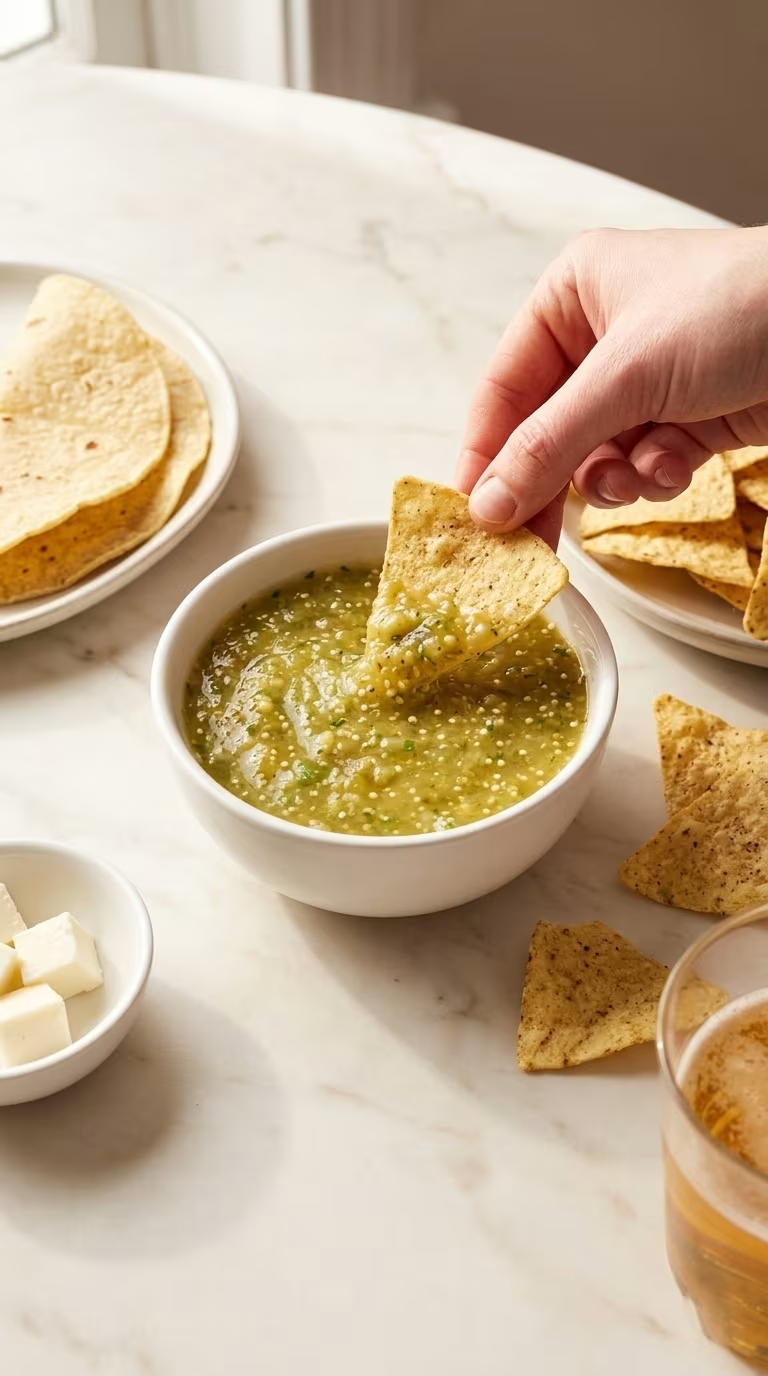
As a dip with tortilla chips, this is the obvious first answer. Beyond that, it belongs on tacos of any kind — especially anything with grilled chicken, carnitas, or roasted vegetables. Spoon it over fried eggs or a scramble for a quick breakfast.
Use it as the sauce base for a fast weeknight dinner by simmering chicken thighs in it for 20 minutes for the full version of that, how to roast tomatillos is a good place to start. It also works well alongside simple rice and beans, where the bright acidity cuts through the starchiness of the plate.
A Few Final Notes
The tomatillo does the work here. The roasting step and the blending are just how you get it there. Once you understand that, you can adjust this salsa in any direction hotter, smokier, chunkier, thinner and trust the result because the foundation is solid. I usually keep a jar of this in the refrigerator. It makes everything faster for the rest of the week.
For something that explores what tomatillos do in a completely different context, what do tomatillos taste like is worth reading before you branch out.