
Salsa Verde Chicken is my answer to that familiar weeknight moment when you open the fridge, stare for a second, and seriously consider cereal for dinner. It is cozy, tangy, and takes almost no brain power once you get it going. If you are new to tomatillos and keep seeing them in salsa verde recipes, this quick little read on what a tomatillo is clears things up fast. I started making this when I wanted something that tasted like it simmered all day, but I only had about 30 minutes of motivation. The sauce is bright and a little zippy, the chicken turns super tender, and your kitchen smells like you actually tried. 
Table of Contents
Ingredient Highlights
I love recipes where the ingredient list is short but still feels exciting. This one is basically chicken plus salsa verde plus a few extras that make it taste like you know what you are doing. Here is what I reach for most often, with a couple of easy swaps if you need them.
- Chicken: Thighs stay juicy and forgiving, but breasts work too. If using breasts, watch the cook time so they do not dry out.
- Salsa verde: Store bought is totally fine. If you have time, homemade is next level. If you ever want to stock your pantry, this guide on how to can tomatillo salsa verde is a lifesaver.
- Onion: Yellow or white. It melts into the sauce and adds sweetness.
- Garlic: I do not measure with garlic. I measure with my heart.
- Chicken broth: Just a splash to loosen the sauce and help it simmer. Water works in a pinch.
- Lime: Adds that fresh pop right at the end. Do not skip it if you can help it.
- Cumin and oregano: Optional, but they add that warm, savory background flavor.
- Salt and pepper: Salsa verde varies a lot in saltiness, so taste and adjust near the end.
- Cilantro: If you like it, toss it on top. If you do not, green onion is a good substitute.
One more little thing, choose a salsa verde you actually like on its own. If you dip a chip in it and it tastes flat, the final dish will taste flat too. I keep a couple brands in rotation and grab whichever looks the brightest and freshest that week. ; 
Make It In These Easy Steps
This is the version I make most often because it is simple and it works. You can do it in a skillet, a Dutch oven, or even a saucepan with a lid. The goal is tender chicken in a sauce that tastes like it belongs on everything.
Step by step (my weeknight method)
1) Season and sear the chicken. Pat the chicken dry, then season with salt and pepper. Warm a little oil in a pan over medium high heat and sear the chicken for a couple minutes per side. You are not cooking it through, just getting some color.
2) Add onion and garlic. Push the chicken to the side, toss in chopped onion, and cook until it softens a bit. Add garlic and stir for about 30 seconds so it does not burn.
3) Pour in the salsa verde. Add your salsa verde and a small splash of broth. Scrape up any browned bits on the bottom of the pan because that is flavor.
4) Simmer until tender. Cover and let it gently bubble until the chicken is cooked through and easy to shred. Thighs usually take about 18 to 25 minutes. Breasts can be closer to 12 to 18 minutes depending on thickness.
5) Shred and finish. Pull the chicken out, shred it with two forks, then stir it back into the sauce. Squeeze in lime juice and taste for salt. If you want heat, add a pinch of chili flakes or a chopped jalapeno.
I like the sauce a little thicker, so I often simmer uncovered for a few minutes after shredding the chicken. Just keep stirring so nothing sticks. And yes, I absolutely taste it three times and call it quality control.
Shortcut Tip
Some nights you want Salsa Verde Chicken, but you also want to sit down and do nothing while it cooks. I get it. Here are shortcuts I actually use, and I do not feel one bit guilty about them.
My favorite shortcuts when time is tight
Use rotisserie chicken. Shred it, warm salsa verde in a pan with a little broth, stir chicken in, and let it hang out for 5 to 10 minutes. Finish with lime. Dinner is basically done.
Use a really good jarred salsa verde. This is the biggest time saver. If you want that deeper roasted taste without extra work, you might like this roasted tomatillo salsa verde canning recipe for the days you feel like prepping ahead.
Skip the sear. If your pan is already dirty from earlier in the day and you are not in the mood, you can just simmer the chicken directly in the sauce. You lose a little browned flavor, but it is still tasty.
Also, if your salsa verde is super thick, thin it with broth before adding it so it coats everything nicely instead of sitting like a paste. That tiny move makes the whole dish feel more restaurant level with basically no effort.
Serving Ideas
This is where Salsa Verde Chicken really shines because it is like a choose your own adventure situation. You can keep it simple with rice, or you can turn it into tacos, bowls, salads, and meal prep that actually feels exciting.
- Tacos: Warm tortillas, pile on the chicken, add onion, cilantro, and a squeeze of lime. If tacos are your love language, you will probably enjoy these tomatillo chicken tacos with salsa verde too.
- Rice bowls: Spoon it over rice with black beans, corn, avocado, and a little shredded cheese.
- Nachos: Chips, chicken, cheese, broil, then add sour cream and jalapenos.
- Salad: Romaine, chicken, pepitas, crunchy tortilla strips, and a creamy lime dressing.
- Baked potatoes: Split a potato and stuff it with chicken, then top with Greek yogurt and salsa.
My personal favorite is a bowl with rice, chicken, avocado, and a handful of crushed tortilla chips on top for crunch. It is not fancy, but it hits every time. If you are feeding kids or picky eaters, keep toppings on the side and let everyone build their own plate. It turns dinner into something kind of fun instead of a negotiation.
Storage and Reheating
This recipe is one of those rare meals that tastes even better the next day. The chicken soaks up the salsa verde, the flavors mellow, and suddenly your lunch feels like a real plan.
How I store it so it still tastes great
Fridge: Store in an airtight container for up to 4 days. Keep it with plenty of sauce so the chicken stays moist.
Freezer: Freeze in portions for up to 3 months. I like using freezer bags laid flat so they stack easily. Thaw overnight in the fridge when you can.
Reheating: Warm it in a saucepan over medium low heat with a splash of broth or water. Stir occasionally until hot. The microwave works too, just cover it and heat in short bursts so it does not dry out.
If the sauce tastes a little muted after chilling, squeeze in a tiny bit of lime and sprinkle a pinch of salt. That usually wakes everything right back up. And if you accidentally made it too spicy, a spoonful of sour cream or Greek yogurt calms it down fast.
I will end with this: Salsa Verde Chicken is one of those recipes that earns a permanent spot in the rotation because it is reliable. It is bold without being fussy, and it turns boring chicken into something you actually look forward to. If you want to compare styles and methods, I have pulled ideas from a few other cooks over time too, like this Salsa Verde Chicken Recipe – Belly Full, the slightly fiery take in Salsa Verde Chicken – Running to the Kitchen®, and the set it and forget it comfort of Slow-Cooker Salsa Verde Chicken Recipe – NYT Cooking. Try it once, tweak it to your taste, and I bet you will end up making it again the next week without even thinking about it. 
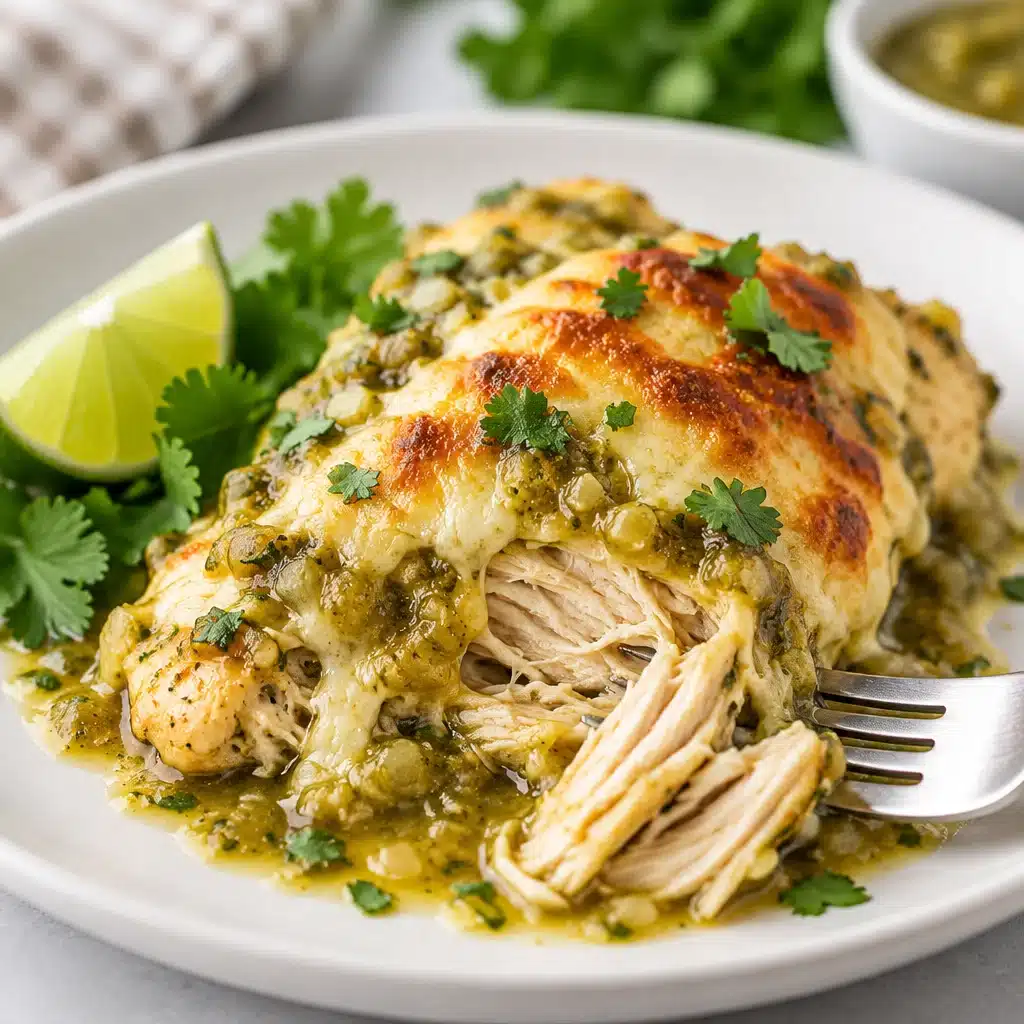
Salsa Verde Chicken
Ingredients
Instructions
- Pat the chicken dry and season with salt and pepper.
- Warm a little oil in a pan over medium high heat and sear the chicken for a couple minutes per side until browned.
- Push the chicken to the side and add chopped onion; cook until softened. Add garlic and stir for about 30 seconds.
- Pour in the salsa verde and add a small splash of broth. Scrape up any browned bits from the bottom of the pan.
- Cover and let it gently simmer until the chicken is cooked through, approximately 18 to 25 minutes for thighs, or 12 to 18 minutes for breasts.
- Remove chicken, shred it with two forks, stir back into the sauce, and squeeze in lime juice. Adjust seasoning to taste.