
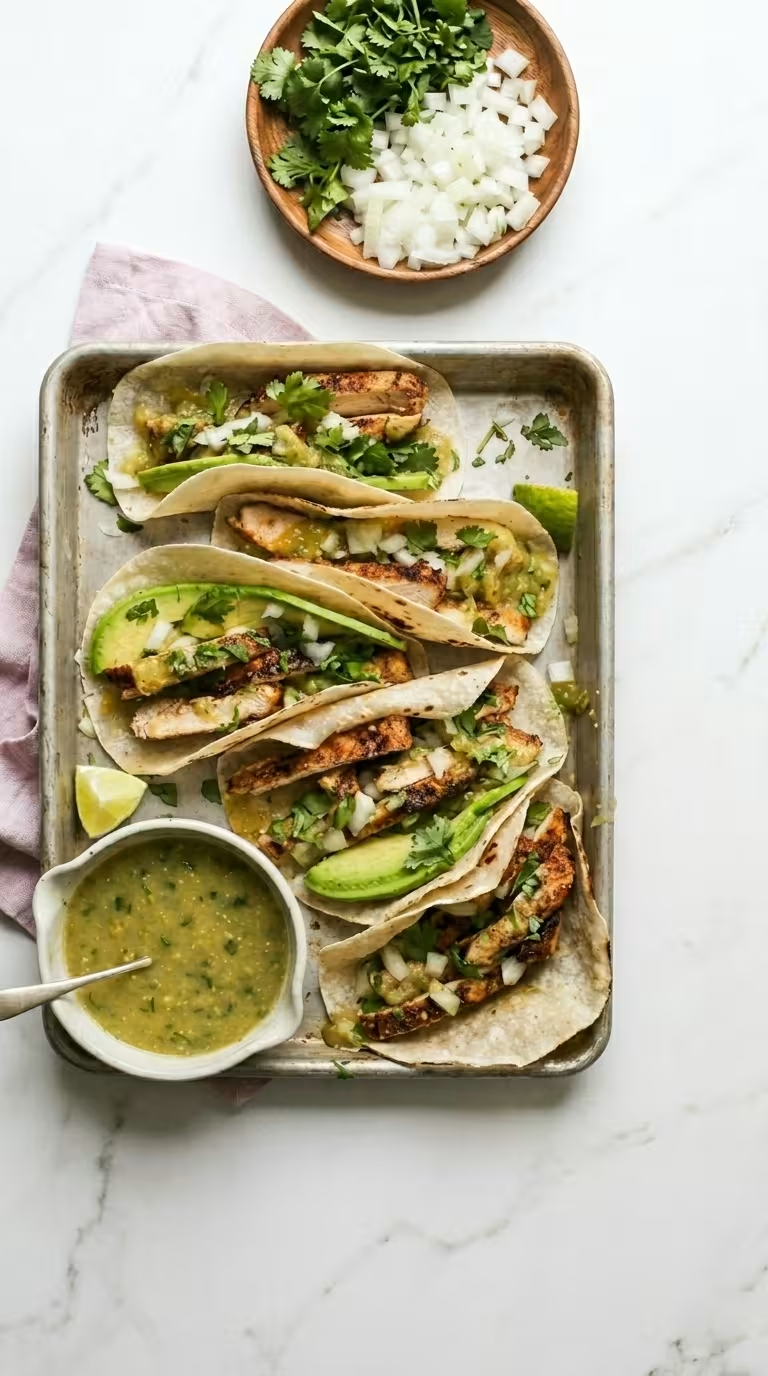
Tomatillo chicken tacos are corn tortillas loaded with chicken braised directly in a roasted salsa verde, the tomatillo doing double duty as both the cooking liquid and the finished sauce. The tomatillo’s natural acidity pH close to 3.8 when raw breaks down the surface proteins of the chicken as it simmers, pulling the meat apart cleanly while depositing a tangy, slightly sweet sauce into every fiber.
Whether you call them salsa verde chicken tacos or green chicken tacos, the foundation is identical: roasted tomatillos blended into a sauce, chicken cooked inside that sauce until the two are inseparable.
This is a 30-minute active cook with about 15 minutes of prep. You need one blender, one heavy skillet or Dutch oven, and a handful of pantry staples. I have made a version of this on weeknights for years because the tomatillo handles the seasoning, the acid, and the braising liquid all at once there is nothing else in the kitchen that does that much work for that little effort.
If you are new to tomatillos, What Is a Tomatillo covers everything you need to know before you start.
| Serves | 4 (about 3 tacos per person) |
| Prep time | 15 minutes |
| Cook time | 30 minutes |
| Total time | 45 minutes |
| Skill | Easy |
| Cost | Budget |
Table of Contents
What Are Tomatillo Chicken Tacos?
Tomatillo chicken tacos originate from central Mexican home cooking, where Physalis philadelphica the tomatillo has been cultivated since pre-Columbian times. Tacos de pollo con salsa verde appear across Mexican states as a daily meal, not a restaurant dish: simple, fast, built on whatever tomatillo salsa the cook has on hand.
The distinction here is that the chicken is not cooked separately and then sauced. The chicken braises inside the salsa verde, absorbing the tomatillo’s acid, sugars, and aromatic compounds as it cooks. The result is a taco filling that is fully integrated rather than assembled.
What tomatillo contributes here that tomato or red salsa cannot is structural. Its acid level before roasting sits around pH 3.8 aggressive enough to begin denaturing the outer layer of chicken protein on contact, which creates a texture that shreds cleanly rather than tearing.
Its pectin content, released during blending, gives the sauce a light body without the need for added thickeners. Its flavor bright, herbal, and distinctly green does not fade into the background the way a red sauce can; it stays present in every bite of the finished taco.
If someone searches for green enchiladas or chile verde chicken, both are related but different. Enchiladas use tomatillo sauce poured over rolled tortillas and baked. Chile verde typically refers to a pork braise with green chiles as the primary acid source. These tacos are pan-braised chicken, shredded, served in tortillas with the reduced cooking sauce spooned directly oversimpler than both and faster than either.
Tacos de pollo con salsa verde belong to the same family of tomatillo braises that appear throughout Mexican home cooking the same roast-then-blend-then-simmer method that drives pozole verde, enfrijoladas, and countless regional guisados. The technique transfers. Once you understand what heat does to a tomatillo, you can apply the same logic to almost any protein and produce a recognizable result.
The Tomatillo’s Role in Tomatillo Chicken Tacos
When a raw tomatillo enters a 450°F (230°C) oven or sits directly under a broiler, three changes occur simultaneously. First, the free water on the surface and just beneath the skin begins to evaporate, concentrating the soluble solids primarily citric and malic acids in the remaining pulp.
Second, the chlorophyll in the skin partially degrades, shifting the color from a sharp bright green toward a muted army green; this color change is the reliable visual indicator that the roasting phase is complete and the tomatillo’s sugars have begun to caramelize at the surface.
Third, and most significantly for the sauce, the pectin bonds in the cell walls loosen, which means the blended tomatillo holds together as a sauce rather than separating into water and solids. The pH after roasting rises toward 4.5, softening the raw tartness into a rounded acidity that the finished taco sauce carries without being aggressive.
When the blended tomatillo sauce contacts raw or seared chicken in a hot pan, the residual acidity still well below 5 begins to denature surface proteins on the chicken within the first few minutes of simmering.
This is the mechanism that produces the signature texture: chicken that shreds along its natural grain rather than crumbling or turning stringy. As the braise progresses, collagen in bone-in cuts dissolves into gelatin and migrates into the sauce, thickening it without any added starch.
Tomatillo is uniquely suited to this process because its pectin and the dissolved gelatin work together; a tomato-based sauce can achieve similar body, but tomato’s higher sugar content and lower acid level produce a different flavor profile and do not suppress the chicken’s own fat the same way tomatillo’s acidity does.
For this specific dish, I use fresh tomatillos and always roast them. Canned tomatillos are cooked during the canning process, which drives off a significant portion of their volatile aromatic compounds the ones responsible for the herbal, slightly resinous note that makes the sauce smell like something worth eating before it even hits the pan.
When you roast canned tomatillos, you are re-roasting an already-cooked product, and the char you get is surface-only with no interior transformation. The sauce is thinner, flatter, and noticeably less complex. Fresh tomatillos roasted until their skin blisters and their interior softens produce a sauce with structural integrity and depth that canned cannot replicate. That is why I have never switched, even in winter when fresh tomatillos are harder to find.
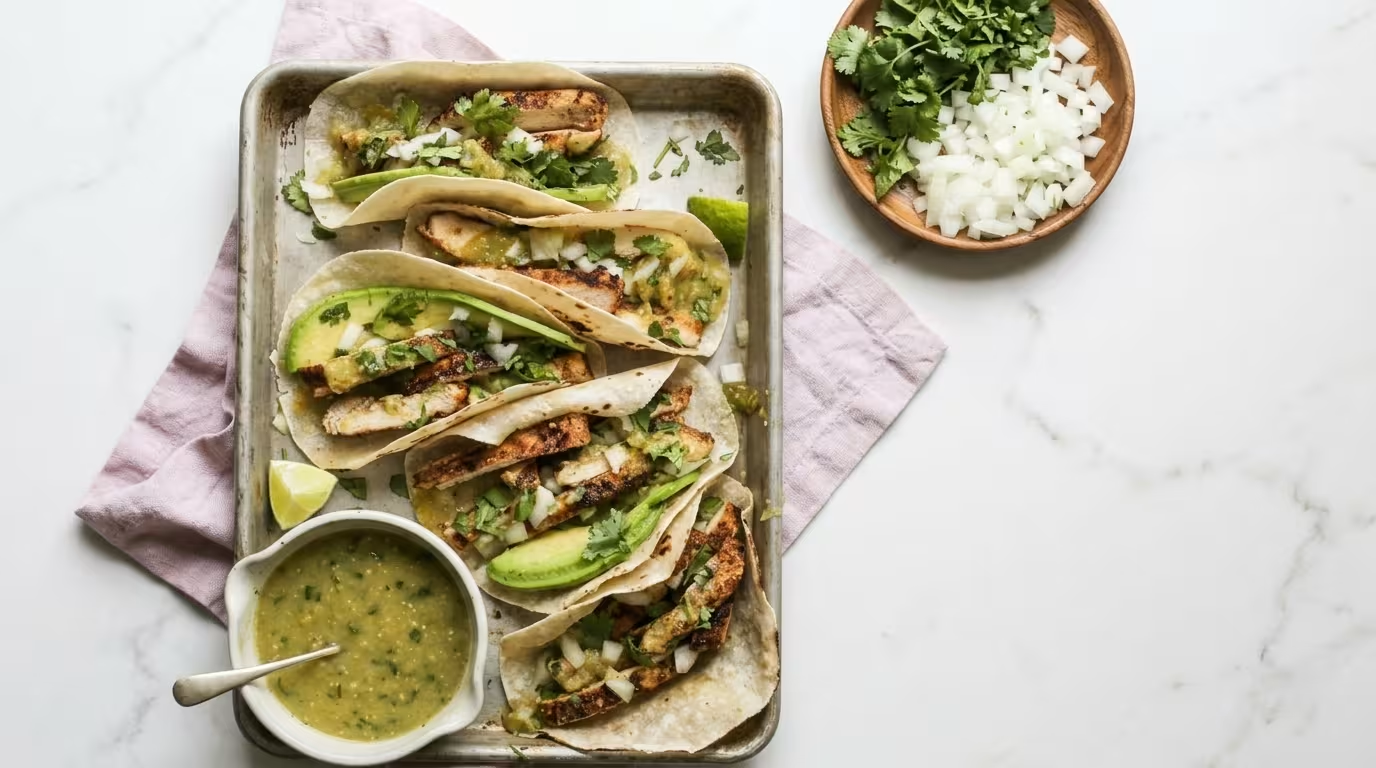

Tomatillo Chicken Tacos with Salsa Verde
Ingredients
Equipment
Instructions
- Set oven to broil on high. Place tomatillos, onion, garlic (skin on), and serranos on a rimmed baking sheet. Broil 8–10 minutes, turning once, until skins are blistered and flesh has collapsed.
- Peel roasted garlic. Transfer everything including all pan juices to a blender. Add cilantro and 1 tsp salt. Blend 20–30 seconds until smooth. Taste and adjust salt.
- Pat chicken thighs dry and season with remaining salt. Heat oil in a wide skillet over medium-high. Sear thighs skin-side down 5–6 minutes until deep golden and releasing easily. Flip.
- Pour tomatillo sauce over and around chicken. Add stock. Bring to a simmer, reduce to medium-low, cover, and braise 22–25 minutes until internal temperature reaches 165°F (74°C) at the thickest point away from bone.
- Transfer chicken to a board. Remove and discard skin and bones. Shred the meat with two forks. Return to the pan. If sauce is thin, simmer uncovered 3–5 minutes to coat. Adjust salt.
- Warm corn tortillas directly over a gas flame or in a dry cast iron pan, 15–20 seconds per side. Double the tortillas (2 per taco). Fill with tomatillo chicken, top with diced onion, cilantro, and a squeeze of lime.
Notes
Ingredients
| Ingredient | Amount |
|---|---|
| Fresh tomatillos, husked and rinsed | 1¼ lb (565 g) |
| Bone-in, skin-on chicken thighs | 2 lb (900 g), about 4 thighs |
| White onion, quartered | 1 medium |
| Garlic cloves, unpeeled | 4 |
| Serrano chiles | 2 (or 1 jalapeño for mild) |
| Fresh cilantro | ½ cup (25 g), loosely packed |
| Kosher salt | 1½ tsp, plus more to season |
| Neutral oil (avocado or vegetable) | 2 tbsp (30 ml) |
| Chicken stock or water | ½ cup (120 ml) |
| Corn tortillas (6-inch) | 12 |
| White onion, finely diced (for serving) | ¼ cup (40 g) |
| Fresh cilantro, chopped (for serving) | ¼ cup (15 g) |
| Lime wedges (for serving) | 4 |
Ingredient Notes
Tomatillos: Choose tomatillos that are firm, with husks that fit tightly a loose, papery husk that pulls away from the fruit means the tomatillo has dried out and will produce a thinner sauce with less body. Fresh tomatillos are mandatory for the roasting step in this dish.
Skipping the roast and using them raw produces a sauce with an aggressive, mouth-coating tartness that overwhelms the chicken rather than working with it. If you can only find canned, drain them, pat dry, and use as-is but understand the sauce will be noticeably thinner and less aromatic. For this recipe, approximately 6 to 8 medium tomatillos yields the right quantity.
Chicken thighs: I always use bone-in, skin-on thighs for this dish. The collagen in the bone joint dissolves during the braise and migrates into the tomatillo sauce, producing a body and richness that boneless cuts simply cannot deliver boneless thighs cook faster but the finished sauce is visibly thinner and less coating.
The skin is removed after cooking, not before; keeping it on during the braise protects the meat from drying and contributes rendered fat to the base. Chicken breasts can be substituted but require reducing the simmer time to 18 to 20 minutes and produce a drier, less flavorful result.
Serrano chiles: Serranos are roasted alongside the tomatillos, which mellows their heat significantly a raw serrano is noticeably hotter than a roasted one. Two serranos in this recipe produces a medium heat level. For mild, substitute one jalapeño. For hot, add a third serrano or use one habanero.
Corn tortillas: Warm them directly on a gas flame or in a dry cast iron pan. A cold tortilla tears when you fold it; a properly warmed tortilla becomes pliable enough to double without cracking. Two tortillas per taco is traditional for street-style tacos it prevents the filling from soaking through.
How to Make Tomatillo Chicken Tacos
Why it matters: Broiling rather than roasting at a lower temperature produces surface char, which contributes a light smokiness to the sauce a byproduct of partial Maillard reaction at the skin surface. More importantly, the high heat drives off excess surface moisture rapidly, concentrating the tomatillo’s natural sugars and softening the raw citric acid into a rounder, more integrated flavor. A tomatillo that has not been charred at the skin still has that bright, sharp tartness intact acceptable in a raw salsa, aggressive in a braise.
What goes wrong: If the tomatillos steam instead of char usually because the pan is overcrowded the moisture stays in the pan and the Maillard reaction cannot occur, leaving the sauce tasting raw and unroasted.
Cue: The tomatillos are done when the skins are blistered in patches, the color has shifted from bright green to muted olive, and the flesh visibly sags or has split. You will smell the char not burnt, but a dry, toasty green smell.
Why it matters: Blending while the ingredients are still hot maintains the emulsification of the released tomatillo pectin with the water-soluble compounds in the sauce. A sauce blended cold tends to separate more readily during the braise. The accumulated roasting juices contain concentrated sugars and acids pouring those off would mean discarding the most flavored liquid on the pan.
What goes wrong: Over-blending past 45 seconds introduces too much air and produces a frothy, paler sauce that loses density during the braise.
Cue: The blended sauce should be the color of army green paint, smooth with no visible tomatillo skin pieces, and thick enough to coat the back of a spoon without immediately running off.
Why it matters: The Maillard reaction during searing produces hundreds of flavor compounds on the chicken surface browning products that dissolve into the tomatillo sauce during the braise and deepen its complexity. Skipping the sear means the sauce is carrying only tomatillo flavor; the sear gives the sauce a savory undertone that makes the taco filling taste more complete.
What goes wrong: Moving the chicken before the skin releases naturally causes tearing and uneven browning. If the skin sticks, the pan is not hot enough or the chicken was not dry.
Cue: The skin is ready to flip when it lifts without resistance and is deep golden brown not pale yellow. You should hear active sizzling throughout. If the sizzling slows dramatically, the pan temperature has dropped; increase heat briefly.
Why it matters: Braising the chicken inside the tomatillo sauce rather than simmering them separately allows the collagen from the bone joints to dissolve into the sauce over time, creating a body and richness you cannot achieve by making the sauce and the chicken independently. The tomatillo’s residual acid also gently denatures the chicken proteins during the early simmer, which is why the meat shreds along its natural grain rather than tearing in ragged pieces.
What goes wrong: Simmering at too high a temperature a rolling boil rather than a gentle simmer seizes the chicken proteins and produces dry, stringy meat regardless of internal temperature. The sauce should be barely moving.
Cue: The chicken is done when a fork slides into the thickest part with almost no resistance and the meat begins to pull away from the bone at the edges. Confirm with a thermometer: 165°F (74°C) at the thickest point, not touching the bone.
Why it matters: Returning the shredded chicken to the sauce allows the exposed meat fibers to absorb the concentrated tomatillo cooking liquid. Chicken shredded and left separate from the sauce is drier in the finished taco; chicken finished in the sauce stays moist because the liquid re-enters the surface fibers as the pan cools slightly.
What goes wrong: Over-reducing at this stage cooking too long after the chicken is returned can cause the sauce to tighten into a paste that clumps around the chicken rather than coating it smoothly.
Cue: Right consistency: a forkful of the chicken mixture holds together with a visible glaze of green sauce around it but does not drip excessively when held over the pan for three seconds.
Why it matters: A cold corn tortilla has rigidly arranged starch chains that crack when bent; heat disrupts those chains and makes the tortilla pliable. Two tortillas per taco is functional — the wet tomatillo filling will eventually soak through a single tortilla, especially if the sauce is well-reduced and rich.
What goes wrong: Using flour tortillas changes the texture of the taco significantly. Flour tortillas are sturdier but mask the tomatillo flavor rather than framing it. Corn is the right call here.
Cue: A properly warmed corn tortilla folds without cracking and has light brown spots on the surface from direct heat contact. If it tears, it was either under-warmed or old and dried out.
That is the dish roasted tomatillo salsa verde, braised chicken, warm corn tortillas. Everything that follows is useful context: what to do if something goes sideways, how to store what you don’t finish, what to swap if you need to. The tomatillo is still the center of all of it.
Slow Cooker Variation
This dish adapts to a slow cooker with minimal changes. Complete Steps 1 and 2 exactly as written roast the tomatillos and blend the sauce. Skip the sear on the chicken if time is short, though browning first adds depth. Place chicken thighs in the slow cooker, pour the tomatillo sauce and stock over them, and cook on low for 6 to 7 hours or high for 3 to 4 hours.
The tomatillo sauce thickens more slowly in the slow cooker because the lid traps steamremove the lid for the final 30 minutes to concentrate the sauce if it looks thin. The tomatillo’s pectin content means the sauce will still set to a light gloss even at lower temperatures, though the finished color will be slightly more muted than the stovetop version. For the full slow cooker method with timing notes, Slow Cooker Tomatillo Chicken covers this approach in detail.
Chef Thomas Tips for the Best Tomatillo Chicken Tacos
The salsa verde you make for these tacos is the same base sauce that runs through a wide range of recipes on this site tomatillo chicken soup, tomatillo braised pork, roasted tomatillo enchiladas. Once you have roasted tomatillo salsa verde in the refrigerator, you have the foundation for at least a week of cooking in this flavor direction. The sauce is the asset; the taco is just one way to use it.
Variations and Substitutions
Tomatillo Substitutions
Fresh tomatillos are the first choice. Canned tomatillos (drained, patted dry) are a workable substitution the sauce will be thinner and less aromatic, but the dish is still recognizable. Jarred salsa verde can replace the blended tomatillo sauce directly: use about 1½ cups (360 ml) and skip Steps 1 and 2, but understand that jarred salsa verde is already seasoned and typically contains more sodium, so hold salt until tasting.
Green enchilada sauce (canned) works in the same way as jarred salsa verde but is usually thinner and more processed in flavor it produces a blander, less tomatillo-forward taco. When I want to compare fresh and canned side by side, Fresh vs. Canned Tomatillos covers the functional difference in detail.
Protein Substitutions
Bone-in chicken thighs are optimal. Boneless thighs work well reduce braise time to 18 to 20 minutes and expect a slightly thinner sauce since there is no collagen from the bone to dissolve. Chicken breasts need 15 to 18 minutes and should be pulled at exactly 160°F (71°C) internal temperature before resting to avoid dryness.
Pork shoulder, cut into 2-inch cubes, follows the same method with a braise time of 45 to 55 minutes the tomatillo sauce behaves identically with pork and the result is close to a simplified chile verde. For a similar tomatillo chicken preparation with a different method, Tomatillo Chicken Recipe uses a sheet pan approach worth trying.
Spice Level Adjustments
The base recipe with two serranos produces medium heat noticeable warmth but not face-flushing. For mild, use one jalapeño seeded and membranes removed before roasting; this reduces heat significantly while keeping the grassy pepper flavor.
For hot, add a third serrano or replace both serranos with two chiles de árbol, which are hotter and add a dry, slightly smoky heat. Adding spice after blending (cayenne or hot sauce) changes the character of the heat it sits on top of the sauce flavor rather than integrating with it. Roasting the chiles with the tomatillos is the right approach for heat that tastes like part of the dish.
Dietary Adaptations
This recipe is naturally gluten-free when made with corn tortillas. For dairy-free, the dish contains no dairy in its base form check only any toppings you add (sour cream, cotija). For lower carbohydrate, serve the tomatillo chicken over cauliflower rice or inside lettuce cups instead of tortillas; the filling itself is low in carbohydrates. For a lower-fat version, use boneless skinless thighs and skip the initial sear, going directly to the braise the sauce will be thinner but the dish remains functional.
Troubleshooting
The tomatillo sauce is too thin and watery
Cause
The tomatillos were not roasted long enough to drive off surface moisture, or too much stock was added during the braise.
Fix
Remove the chicken temporarily, increase heat to medium-high, and simmer the sauce uncovered for 5 to 8 minutes until it reduces to a coating consistency. Return the chicken.
Prevention
Roast tomatillos until visibly collapsed and blistered. Add stock gradually start with ¼ cup and add more only if the sauce is scorching on the bottom of the pan.
The sauce is too tart or sour
Cause
Tomatillos were underroasted (still raw-acid dominant) or the chiles de árbol added unexpected sourness. At least that is what I have found when the sauce bites back harder than expected.
Fix
Add a pinch of sugar ¼ teaspoon and stir it in while the sauce is warm. Alternatively, add a tablespoon of chicken stock and simmer 2 more minutes to round out the sharpness.
Prevention
Roast tomatillos until the skins are charred in patches and the flesh is fully soft. Taste the blended sauce before adding it to the pan it should be tangy but not mouth-puckering.
The sauce is too thick or paste-like
Cause
The sauce reduced too aggressively during the braise or the lid was left off too long.
Fix
Add stock or water in 2-tablespoon increments, stirring over low heat until the sauce loosens to a coating consistency.
Prevention
Keep the lid on during the braise. Only remove it in the final 5 minutes if reduction is needed.
The chicken is dry or stringy
Cause
The braise temperature was too high (boiling instead of simmering), or the chicken cooked past 175°F (79°C) internal temperature.
Fix
Return dry shredded chicken to the sauce with an extra 2 to 3 tablespoons of stock, cover, and let it rest off the heat for 10 minutes the residual heat and additional liquid will partially rehydrate the meat.
Prevention
Keep the braise at a visible but gentle simmer small bubbles breaking the surface every second or two. Check temperature at 20 minutes.
The sauce separated or looks greasy
Cause
The chicken fat rendered into the sauce faster than the tomatillo pectin could emulsify it, usually from too-high heat.
Fix
Remove the pan from heat and whisk vigorously for 30 seconds. Return to low heat and stir continuously for 2 minutes. If the split is severe, blend a small portion of the sauce and stir it back in as an emulsifier.
Prevention
Maintain a low simmer throughout the braise. Skim excess fat from the surface before shredding the chicken if the sauce looks oily.
The corn tortillas are cracking or tearing
Cause
Tortillas were not warmed long enough, or they are old and have dried out in storage.
Fix
Wrap 4 tortillas at a time in a damp paper towel and microwave for 30 seconds. The steam rehydrates the starch and restores flexibility.
Prevention
Warm tortillas immediately before assembly, not in advance. Keep them wrapped in a clean kitchen towel or tortilla warmer to retain heat and moisture.
Storage, Make-Ahead, and Reheating
Refrigerator
Store the tomatillo chicken filling (without tortillas) in an airtight container for up to 4 days. The tomatillo sauce continues to mellow and integrate in the refrigerator the filling tastes noticeably better on day two than day one. Store tortillas separately wrapped in a kitchen towel inside a sealed bag.
Freezer
The tomatillo chicken filling freezes well for up to 3 months. Freeze the filling separately from any assembled tacos tortillas do not freeze well once filled. Store in a freezer-safe container, leaving ½ inch of headspace for expansion. Thaw overnight in the refrigerator before reheating.
The tomatillo’s acid content acts as a natural preservative in this dish the low pH of the sauce slows bacterial development, which is why this filling holds its quality in the refrigerator for closer to 4 days than the 2 days you’d expect from a plain braised chicken. It also reheats without the sauce breaking, because the pectin emulsification is heat-stable.
Reheating
Oven: Transfer filling to an oven-safe dish, add 2 tablespoons of water or stock, cover tightly with foil, and reheat at 325°F (165°C) for 15 to 18 minutes until heated through.
Microwave: Place filling in a microwave-safe bowl, add a splash of stock, cover with a microwave-safe lid or damp paper towel, and heat on medium power (60%) in 90-second intervals until hot. Covering prevents the tomatillo sauce from spattering and keeps the filling moist.
Make-Ahead
The tomatillo salsa verde (Steps 1 and 2) can be made up to 3 days ahead and refrigerated. The complete taco filling can be made a full day ahead the sauce deepens overnight and the chicken stays moist. Reheat gently before serving. Do not assemble tacos in advance; warm tortillas should be assembled and eaten immediately.
Estimated Nutrition Per Serving
| Nutrient | Per serving (3 tacos) |
|---|---|
| Calories | ~490 kcal |
| Protein | ~38 g |
| Carbohydrates | ~34 g |
| Fat | ~21 g |
| Saturated fat | ~5 g |
| Sodium | ~620 mg |
| Fiber | ~4 g |
Estimates only. Values vary with tomatillo preparation method, protein cut, and additional ingredients used.
Frequently Asked Questions
Can I use canned tomatillos instead of fresh?
Yes, but with trade-offs specific to this dish. Canned tomatillos produce a noticeably thinner sauce because their cell structure has already been broken down during the canning process, and the volatile aromatic compounds responsible for the herbal, green flavor are largely gone.
The braised chicken filling will taste acceptable but not complex. If using canned, drain and pat dry before blending, and do not re-roast re-roasting an already-cooked tomatillo produces no useful transformation and can make the flavor bitter.
Can I make these tacos ahead of time for a party?
Make the tomatillo chicken filling up to a full day ahead it reheats perfectly and actually tastes better after resting overnight in the sauce. Do not pre-assemble the tacos. Warm the filling, warm the tortillas fresh, and let guests assemble their own. For a crowd, keep the filling warm in a covered Dutch oven on the lowest burner setting.
What do tomatillos taste like in these tacos when cooked?
Cooked tomatillos in a roasted salsa verde taste nothing like raw ones. After broiling and braising, the sharpness is almost entirely gone. What remains is a rounded sourness similar to a mild green apple layered with a herbal, slightly earthy note and a faint smokiness from the char. In the finished taco, the tomatillo sauce tastes green, slightly bright, and savory rather than acidic.
How spicy are tomatillo chicken tacos?
With two serranos as written, medium. Noticeable warmth that builds slightly toward the end of the taco but nothing overpowering. For mild, use one seeded jalapeño.
For genuinely hot, go to three serranos or substitute one habanero for both serranos the tomatillo sauce carries heat well and stays balanced even at higher chile levels.
What makes a good green chicken taco different from a regular chicken taco?
The protein is cooked inside the sauce rather than seasoned and grilled separately. That difference determines the texture and flavor of the filling entirely.
A standard seasoned grilled chicken taco is drier and more textured; a tomatillo-braised filling is juicy, sauce-integrated, and carries the green chile flavor all the way through the meat rather than just on the surface. They are different dishes that happen to use the same tortilla.
Can I use flour tortillas instead of corn?
Yes, but corn is the right call for this specific filling. The tomatillo sauce has a pronounced flavor that corn tortillas frame cleanly; flour tortillas, being more neutral and slightly sweet, muffle that green character rather than complementing it.
If corn tortillas are unavailable, use the thinnest flour tortillas you can find and warm them briefly thick flour tortillas dominate the taco rather than supporting the filling.
What should I serve with tomatillo chicken tacos?
Mexican red rice and refried beans are the classic pairing they balance the tomatillo’s acidity with neutral starch and fat. A simple shredded cabbage slaw with lime and a pinch of salt adds crunch and cuts through the richness of the braised chicken.
If you want a tomatillo-based soup to start, Tomatillo Chicken Soup uses the same flavor profile and works well as a first course before the tacos.
How do I know when the tomatillos are roasted enough?
Three signs, all visible: the skins are blistered in patches, the color has shifted from bright green to muted olive or army green, and the flesh has collapsed slightly or split open.
You will also smell it a dry, toasty char scent rather than a fresh green smell. Underroasted tomatillos look bright green and firm; pull them back under the broiler for another 2 minutes if that is what you see.
A Few Final Notes
The tomatillo is carrying most of the work here.
The roasting step is not optional decoration it is what separates a functional taco filling from a genuinely good one. Get that right and the rest of the dish follows logically. I have made versions of this with canned tomatillos on short notice, and they were fine. But fine is a low bar. Fresh, roasted, blended into a sauce that the chicken braises inside that version is worth the extra step every time.
When you want the same tomatillo sauce in a different format, Tomatillo Salsa Verde shows how to use it as a standalone condiment. And if you want to extend the weeknight repertoire in the same direction, Tomatillo Chicken Soup uses nearly the same ingredient list and is on the table in under 40 minutes.