
How to store tomatillos depends on one thing: whether the husk is still on.
With the husk intact, tomatillos last longer than most fresh produce two weeks on the counter, up to four weeks refrigerated.
Without the husk, the clock moves faster. Five to seven days.
I have kept tomatillos on my counter for two full weeks without losing a single one. The husk is doing more than people realize.
For a complete introduction to tomatillos what they are, how they taste, how to prepare them What Is a Tomatillo covers everything from flavor science to variety differences.
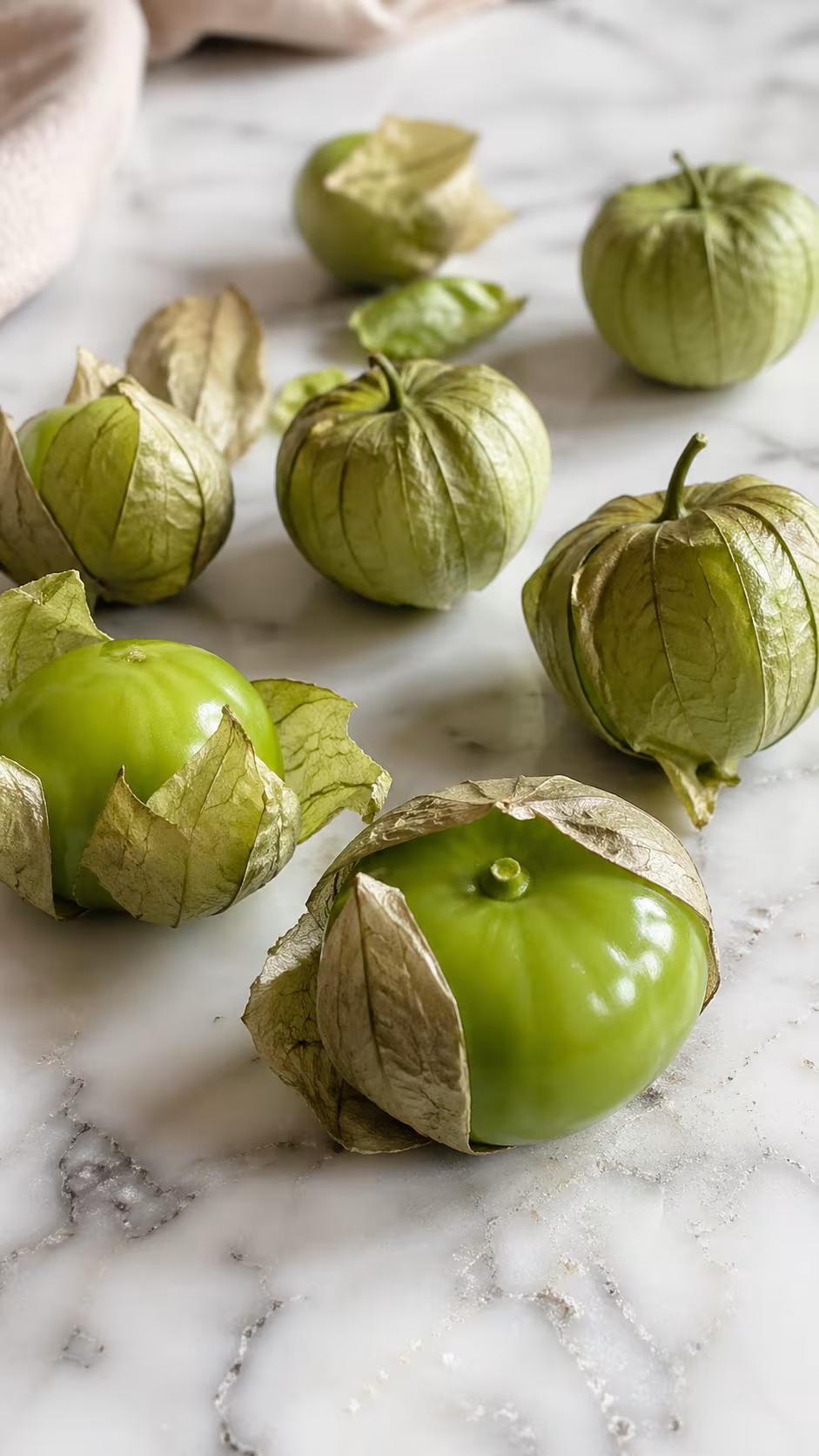
Table of Contents
How the Husk Affects Tomatillo Storage Life and Food Safety
The papery husk surrounding a tomatillo is not decorative. It is a physical barrier that slows moisture loss, limits surface oxidation, and reduces the bacterial exposure that causes spoilage in most fresh produce.
A tomatillo inside its intact husk is still sealed from the environment almost exactly as it grows on the plant. The husk maintains a slightly humid microclimate around the fruit, which slows the rate at which the surface cell walls begin to degrade. Once the husk is removed, that protection ends.
The exposed sticky coating underneath a natural compound called tomatine begins to interact with air, and the fruit softens noticeably faster.
The practical rule for food safety and freshness: always store tomatillos in the husk until the moment you cook them.
The husk also tells you what is happening inside. A tight, papery husk fitted snugly around the fruit means the tomatillo is fresh and firm. A dry, brittle husk pulling away from the fruit means moisture has been lost. A darkened or wet husk means the fruit underneath has begun to break down. These cues matter before choosing your storage method.
Tomatillos belong to the same botanical family as tomatoes and peppers, but their storage behavior is closer to a citrus fruit than a soft garden vegetable. The natural acidity that makes them central to salsa verde pH around 3.8 is the same property that resists bacterial growth and gives them an unusually long shelf life for fresh produce.
How to Store Tomatillos at Room Temperature
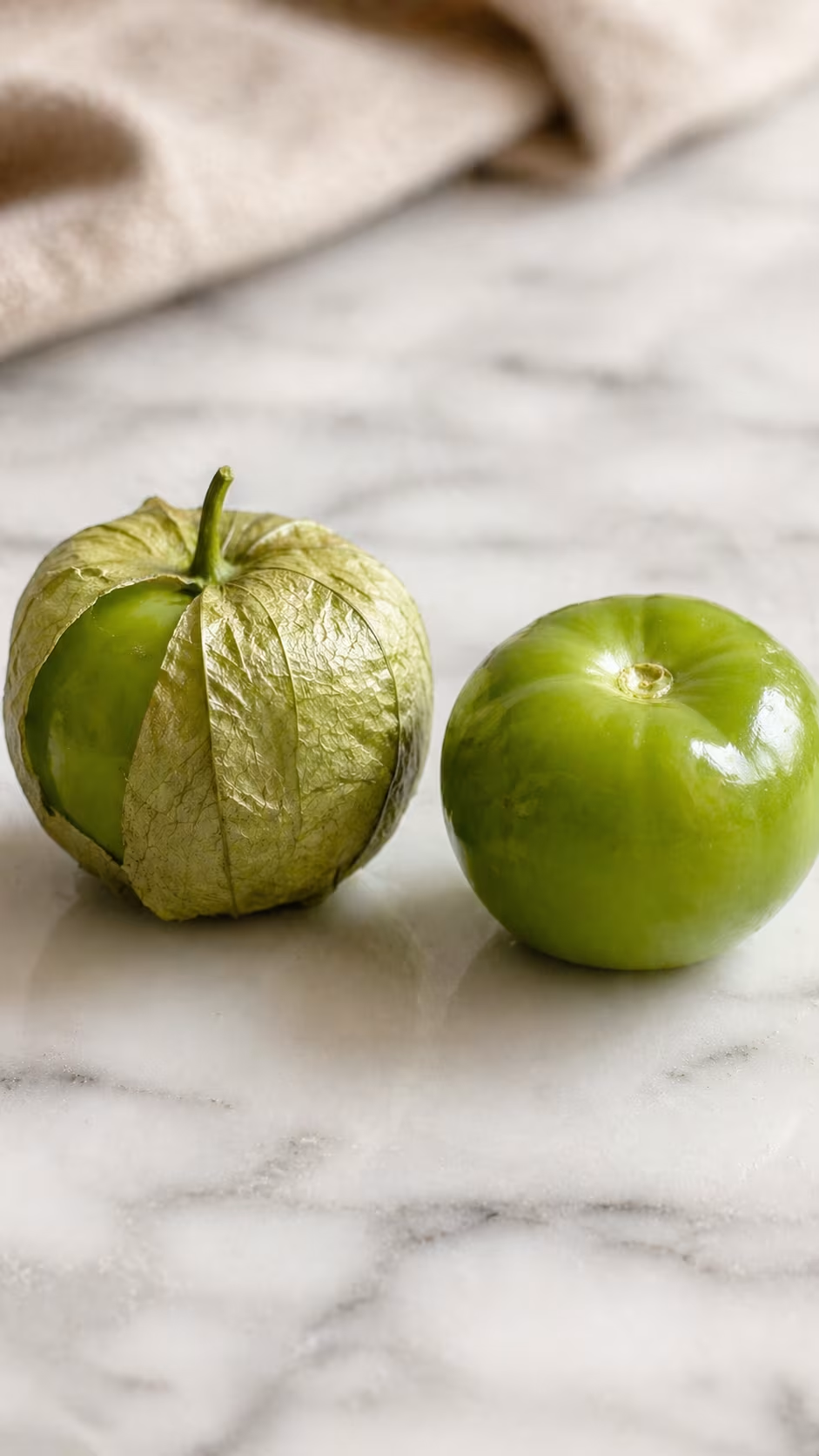
Duration: Up to 2 weeks with husk intact.
Leave tomatillos in the husk and set them in a single layer in a cool, dry spot away from direct sunlight. A counter away from the stove works. A paper bag in a cool corner of the kitchen works just as well.
What does not work: sealed plastic bags at room temperature. They trap humidity and accelerate mold growth within three to four days.
Room temperature is not a compromise for tomatillos. It is the correct short-term method when you plan to cook within two weeks. Cold temperatures below 50°F typical refrigerator settings can introduce a slightly starchy, muted quality to the flesh over time.
Cues to check: The husk should remain snug and papery. The fruit should feel firm, the way an apple feels. Softness along the sides means the fruit is past peak. A smell that has shifted from grassy and bright to fermented means discard it.
How to Store Tomatillos in the Refrigerator
In the Husk (Refrigerator)
Duration: 3 to 4 weeks.
Keep the husk on. Place tomatillos in a paper bag or a single layer in the crisper drawer. Avoid sealing them in a plastic bag directly concentrated moisture softens the husk faster than open-air storage.
One trade-off worth knowing: cold suppresses the brightness of the fresh tomatillo flavor. A tomatillo refrigerated for three weeks will taste slightly less sharp and citrusy than one used within three days of purchase.
For cooked applications like roasted salsa verde or a simmered sauce, that difference is negligible. For fresh, raw preparations a pico-style salsa or a fresh tomatillo garnish use your freshest ones first.
I check refrigerated tomatillos every four or five days. Not because they need attention, but because one that turns can affect the others around it.
Cues: The husk lightens slightly in color over time. Normal. Not normal: a husk that has gone from papery to wet, or a fruit with soft spots along the shoulder.
Husked (Refrigerator)
Duration: 5 to 7 days.
Store husked and rinsed tomatillos in an airtight food storage container in the refrigerator. The sticky tomatine coating after rinsing provides a slight natural seal, but without the husk, the fruit absorbs moisture from the refrigerator environment much faster.
Use within five days for best flavor and texture. After seven days, husked tomatillos soften at the stem end and lose the firm, crunchy texture that makes them useful in fresh preparations.
Using a produce-safe airtight container with a tight-fitting lid makes a measurable difference here loose wrapping or a loosely sealed bag shortens that window by two to three days.
How to Freeze Tomatillos
Tomatillos freeze better than most people expect.
The firm cell structure and high pectin content of the raw fruit mean it holds together reasonably well through a freeze-thaw cycle, especially in cooked applications. The raw crunch is gone after thawing, but the flavor and acidity remain which is what matters for sauces, soups, and long braises.
This is one of the most practical low-waste meal prep moves you can make during peak tomatillo season.
Freezing Raw Tomatillos (Husk On)
Duration: Up to 12 months.
The fastest method. Remove any damaged tomatillos, leave the husks on the rest, and freeze in a single layer on a baking sheet until solid about 2 hours. Transfer to a freezer-safe zip-lock bag or airtight container, label with the date, and return to the freezer.
The husk stays on through the freeze. When ready to use, it peels off cleanly after thawing. The fruit will be soft. That is expected. Use in any cooked preparation.
Freezing Raw Tomatillos (Husked)
Duration: Up to 12 months.
Remove the husk, rinse, and dry completely before freezing. Any surface moisture becomes ice crystals during freezing, which damages the cell walls more aggressively on a husked fruit.
Flash freeze in a single layer first, then transfer to freezer bags. This method works better for recipes where you want to go straight from freezer to pan without removing a husk while frozen.
Freezing Roasted Tomatillos
Duration: Up to 6 months at best quality.
Roast tomatillos first broiled, oven-roasted, or charred then cool completely. Freeze in portion sizes relevant to how you cook: half-pound for a single salsa batch, one pound for an enchilada sauce.
This is the method I use most. Roasting concentrates the flavor before it goes in the freezer. When you thaw it, you are working with a tomatillo that has already developed its sweetness and depth — not starting over from raw.
Thawing and Using Frozen Tomatillos
Thaw in the refrigerator overnight or at room temperature for an hour before using. Do not microwave to thaw uneven heat creates hot spots that break down the flesh and produce a watery result.
Frozen tomatillos work well in: roasted salsa verde, enchilada sauce, tomatillo chicken braises, green chile sauce, and soups. Not suitable for raw preparations after freezing.
Tomatillos keep as well as they do because of the same acidity that drives their flavor. The pH of a fresh tomatillo around 3.8 creates an environment that naturally resists the bacterial growth that shortens the shelf life of lower-acid produce like tomatoes or bell peppers. That tartness is not just a flavor characteristic. It is also what makes tomatillos one of the safer high-fiber vegetables to store at room temperature when produce freshness and food safety are both a concern.
How Long Do Tomatillos Last: Quick Reference
| Storage Method | Condition | Duration |
|---|---|---|
| Room temperature | Husk on, cool dry spot | Up to 2 weeks |
| Refrigerator | Husk on, paper bag or open crisper | 3 to 4 weeks |
| Refrigerator | Husked, airtight container | 5 to 7 days |
| Freezer | Raw, husk on | Up to 12 months |
| Freezer | Raw, husked | Up to 12 months |
| Freezer | Roasted | Up to 6 months |
Signs a Tomatillo Has Gone Bad
Knowing these cues prevents both food waste and food safety issues.
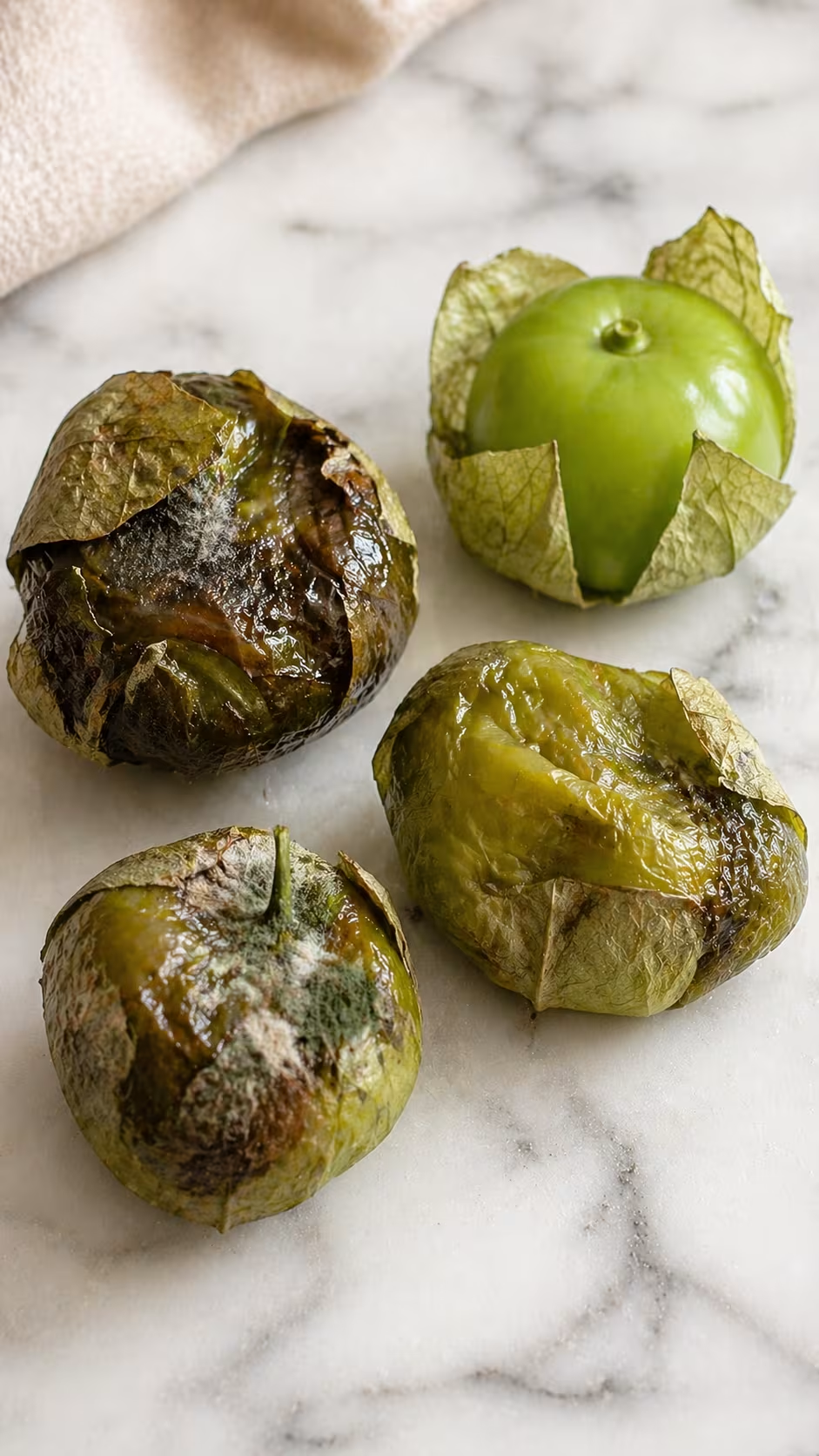
Husk: Wet, dark, or moldy. A dry papery husk is fine. A husk that feels damp to the touch means moisture is trapped underneath and the fruit is compromised.
Skin: Soft spots or shriveling indicate significant moisture loss. A little give at the shoulder is normal after two weeks of refrigeration. Collapsing when pressed means the interior has broken down.
Smell: Fresh tomatillos smell grassy, faintly citrusy, and slightly sharp. A fermented or off smell means the fruit has begun to break down internally discard it.
Color: Green tomatillos naturally lighten slightly in storage. A fully yellow color on a green variety means the tartness essential to most tomatillo dishes has diminished significantly.
Surface after rinsing: Clean tomatillos feel slightly tacky after the husk is removed that rinses off cleanly. Sliminess after rinsing, not just tackiness, means the tomatillo has deteriorated.
Practical Storage Tips for Better Produce and Less Food Waste
Buy in bulk during peak season. Tomatillos peak late summer through early fall roughly August through October. This is when they are firmest, most flavorful, and most affordable at both standard grocery stores and Latin markets. Buy a few pounds extra and roast them in batches for the freezer.
Americans discard a significant amount of fresh produce annually because of poor storage practices, not because the produce was bad to begin with. Tomatillos are one of the easiest fresh items to store correctly. The husk gives you time. Use it.
Do not mix bad and good. One soft tomatillo releasing moisture in a paper bag will accelerate the others. Check every three to four days.
For canning and long-term preservation: Tomatillos’ natural acidity pH around 3.8 to 4.0 makes them safe for water-bath canning without added acid, unlike many low-acid vegetables that require pressure canning for food safety. This is the same property that makes them one of the more forgiving fresh ingredients to preserve at home.
On the nutritional side: A tomatillo stored and used within its peak window retains its vitamin C content, dietary fiber, and antioxidant compounds all of which diminish with extended storage or improper handling. For home cooks focused on high fiber foods and low calorie meal planning, a properly stored tomatillo is the same nutritional ingredient it was on harvest day.
Using Stored Tomatillos: What to Make First
Once you have tomatillos on hand fresh from the store or thawed from the freezer the most useful first use is a simple roasted salsa verde.
Tomatillo Salsa Verde is the recipe I recommend to anyone who has just brought tomatillos home for the first time. It takes under 30 minutes, uses a whole batch, and shows exactly what the ingredient does.
If you are working with a larger quantity or have frozen tomatillos already roasted, Tomatillo Chicken is the most direct path to a full meal. The tomatillo sauce does most of the work and the dish holds well for meal prep throughout the week.
For the complete fresh-versus-canned comparison including when the convenience trade-off is worth making Fresh vs Canned Tomatillos covers the flavor and texture differences in detail.
Whatever you plan to make, your storage method affects the result. Roasted and frozen tomatillos produce a deeper, sweeter sauce. Fresh refrigerated tomatillos produce a brighter, sharper one. Both are correct they are just different dishes.
Frequently Asked Questions
How long do tomatillos last in the fridge?
Tomatillos with the husk on last 3 to 4 weeks refrigerated in a paper bag or open crisper drawer. Husked tomatillos last 5 to 7 days in an airtight food storage container.
Can you freeze tomatillos without cooking them first?
Yes. Freeze husk-on in a single layer, transfer to freezer bags once solid, and store up to 12 months. The husk removes easily after thawing. Use in cooked preparations only.
How do you know when a tomatillo has gone bad?
A soft, collapsing fruit with a wet or moldy husk is past use. Fresh tomatillos should be firm, with a snug papery husk. A fermented smell is a clear sign the fruit has broken down.
Do tomatillos need to be refrigerated?
Not immediately. Husk-on tomatillos store well at room temperature up to two weeks in a cool, dry spot. Refrigeration extends that to 3 to 4 weeks but can mute the fresh tartness over time.
Can you store tomatillos with the husk on in the freezer?
Yes, and it is the easiest method. Leave the husk on, flash freeze in a single layer, bag and label. The husk peels off cleanly after thawing. Quality holds up to 12 months.
What happens if you store tomatillos in a sealed plastic bag at room temperature?
The bag traps humidity, softens the husk, and creates conditions for mold at the contact points between fruits. Room-temperature tomatillos need airflow. Use a paper bag or leave them loose in an open bowl.
How long do roasted tomatillos last in the fridge?
Roasted tomatillos keep in a sealed container for 5 days in the refrigerator. After that, the flavor flattens noticeably. Freeze them if you need longer storage they hold well up to 6 months.
Are tomatillos good for a healthy diet or anti-inflammatory eating?
Tomatillos are low in calories, high in dietary fiber, and contain vitamin C and antioxidant compounds. They are a useful ingredient for low calorie meal planning and fit naturally into anti-inflammatory diet patterns because they are a whole food with no added sodium in their fresh form. The storage method does not change these properties as long as you use them before they deteriorate.
Closing
The husk is the whole answer. Keep it on, give them airflow, and tomatillos outlast almost every other fresh item on your counter.
When you are ready to use them, Tomatillo Salsa Verde is the clearest way to see what a well-stored tomatillo can do. For everything about the ingredient itself, What Is a Tomatillo covers it from botanical classification to cooking methods.