
Chile verde recipe nights usually start in my kitchen when I have a few tomatillos on the counter and need something warm for dinner. I know the feeling of staring into the fridge and wanting a meal that tastes like it took more effort than it did.
Chef Thomas keeps this dish in regular rotation because it is simple, rich, and easy to adjust. If you enjoy cozy meals like my tomatillo chicken soup at tomatillo chicken soup, this recipe will feel right at home.
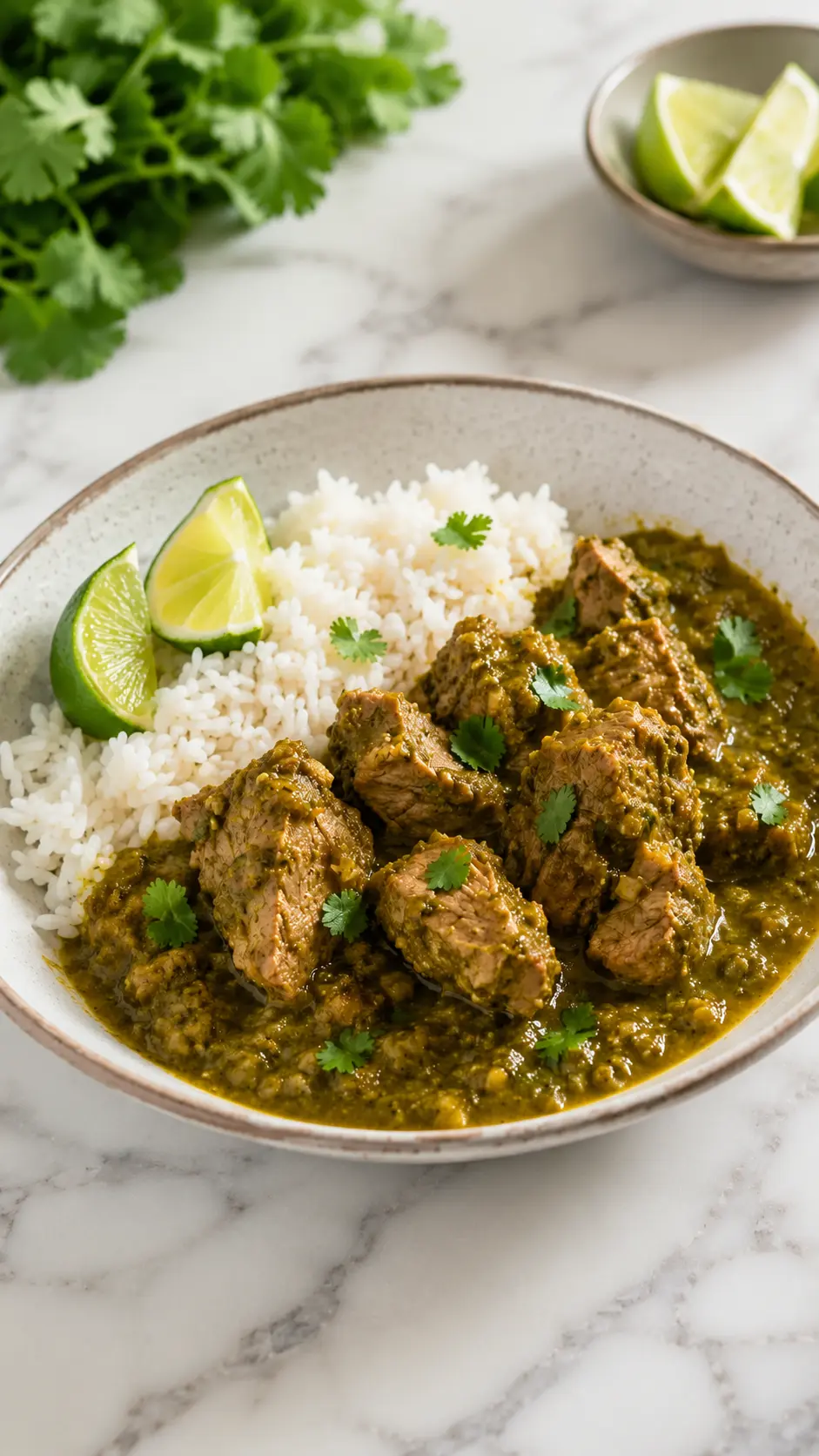
Table of Contents
What Is Chile verde recipe?
Chile verde recipe is a Mexican stew made with tender pork simmered in a green sauce of tomatillos, chile peppers, garlic, and onion. The dish comes from northern Mexico and became popular across the American Southwest, where many families added their own local touches. What sets it apart from other pork stews is its bright, tangy sauce, which tastes fresh instead of heavy and gets most of its flavor from roasted green ingredients.
Home cooks enjoy making it because the ingredients are easy to find, the pot does most of the work, and the leftovers often taste even better the next day. Before the stew starts to simmer, it helps to gather the simple ingredients that give chile verde its classic flavor.
Why You’ll Love This Chile Verde Recipe
Chile verde recipe is one I keep coming back to, and Chef Thomas has made it enough times to know why it earns a spot at the table. The flavors are fresh and balanced, and the pot does most of the work once everything starts to simmer.
This is the kind of meal that fits real life. It is hearty without feeling too heavy, and the ingredients are simple enough for an ordinary grocery trip. The steps are easy to follow, which makes it a good choice for both weeknights and slow weekends.
- Bright, tangy flavor from the tomatillos
- Simple ingredients you can find almost anywhere
- A recipe that works well for beginners
- Leftovers taste just as good the next day
- Comforting served with warm tortillas or rice
I often make this when I want dinner to take care of itself for a while, and it is one of those meals my family never seems to get tired of.
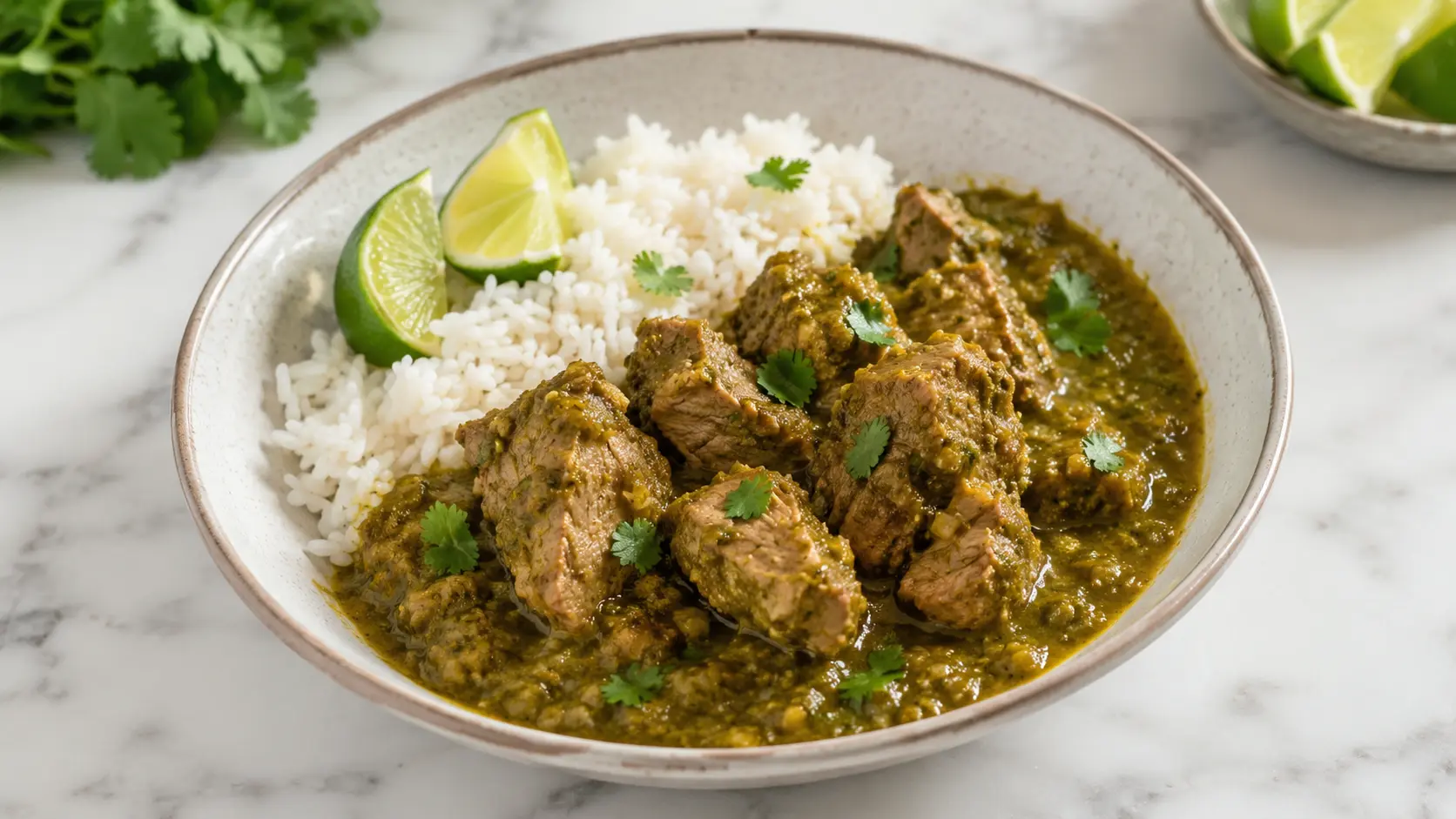

Chile Verde
Ingredients
Equipment
Instructions
- Pull off the husks of the tomatillos and give them a good rinse. Add the tomatillos to a roasting pan along with the rinsed poblanos and roast them in the oven at 400F.
- Flip the poblanos after 15-20 minutes. Remove the tomatillos if they are disintegrating. Roast the poblanos for about 30 minutes total.
- Add 2 peeled onions, 3 de-stemmed jalapenos, 4 peeled garlic cloves, and 1/2 bunch cilantro to a blender.
- Let the poblanos cool, then remove the skin, stems, and seeds.
- Add the roasted poblanos and tomatillos to the blender and blend the green sauce until combined.
- Cut the pork shoulder into 1.5-2 inch chunks and season with salt and pepper.
- Heat a thin layer of oil in a Dutch oven over medium-high heat and brown the pork on both sides, about 3-4 minutes per side.
- Add 1 cup chicken stock, 1/2 teaspoon salt, black pepper, Mexican oregano, and cumin. Scrape up any browned bits from the pan.
- Add the blended green sauce and the remaining cup of chicken stock to the pot.
- Bring to a boil, reduce to a simmer, cover, and cook for 2-3 hours until the pork is tender.
- Taste for seasoning and add more salt and Mexican oregano if needed.
- Serve over rice and garnish with chopped cilantro and lime if desired. Serve plenty of the green sauce with each bowl.
Notes
Ingredients for This Chile Verde Recipe
| Ingredient | Amount |
|---|---|
| pork shoulder | 2-2.5 lbs. |
| chicken stock | 2 cups |
| cooked rice | 4 cups |
| Mexican oregano | 1 tablespoon |
| cumin (optional) | 1/4 teaspoon |
| oil | |
| salt (plus more to taste) | 1/2 teaspoon |
| freshly cracked black pepper | |
| cilantro for garnish (optional) | |
| lime for garnish (optional) |
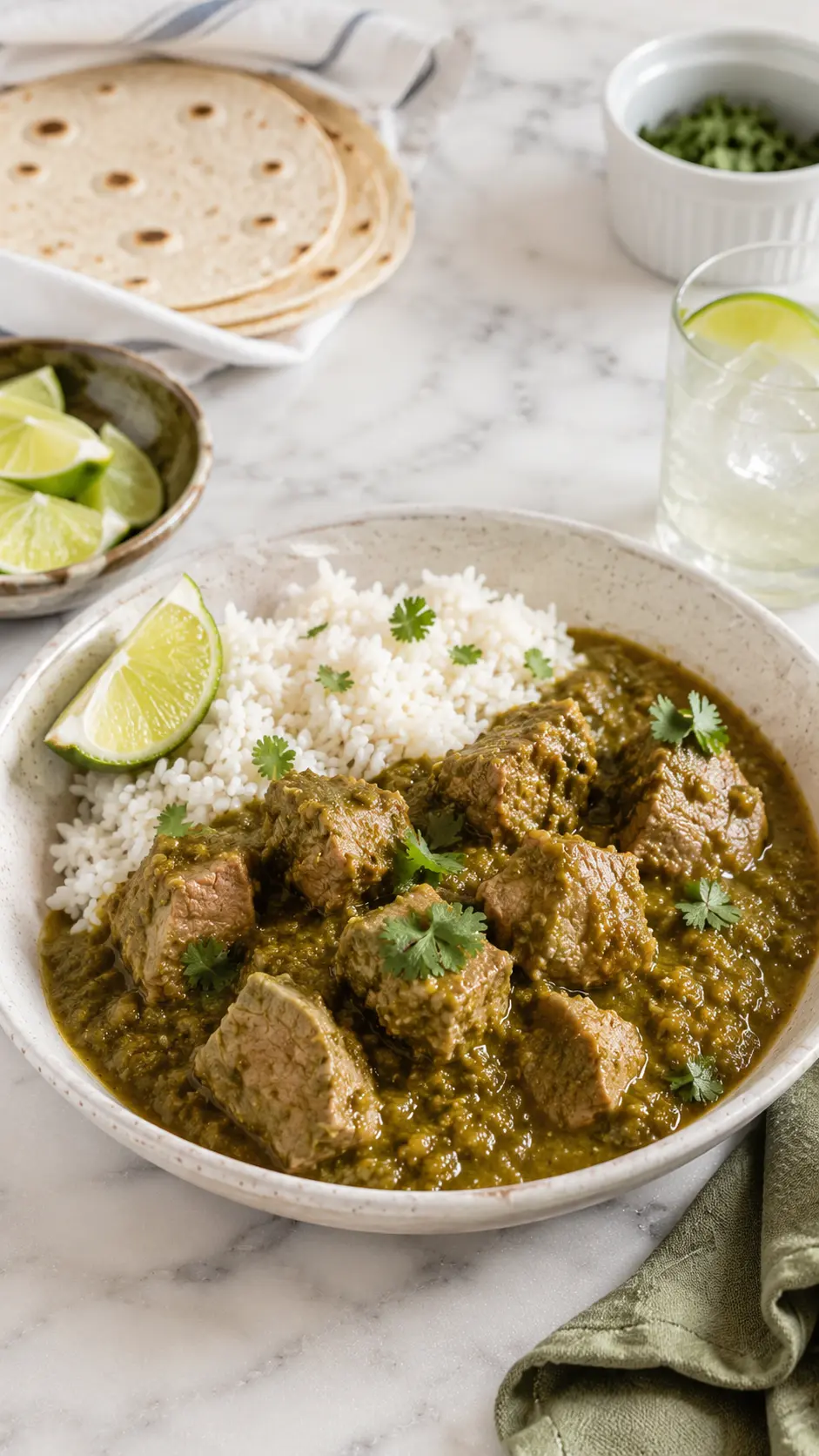
I like how these ingredients keep the dish simple and balanced. The pork and stock create a rich base, while the oregano and lime bring freshness that keeps the flavors from feeling too heavy. Chef Thomas often reaches for Mexican oregano because it gives the sauce a bright, earthy note that fits this dish so well.
Chile verde recipe — Ingredient Substitutions
Sometimes you need a substitute because an ingredient is hard to find or you already have something similar in the kitchen. A few small changes can still give you a flavorful pot of chile verde, as long as you know how each swap affects the dish.
| Original Ingredient | Best Substitute | Notes (ratio changes, flavor impact, tips) |
|---|---|---|
| Pork shoulder | Pork loin | Use the same amount, but reduce the simmering time because pork loin is leaner and can dry out if cooked too long. |
| Chicken stock | Vegetable stock | Use a 1:1 swap for a lighter flavor and a dairy-free option that still keeps the sauce rich. |
| Cooked rice | Cauliflower rice | Use the same amount for a lower-carb, gluten-free side. Add it at serving time since it cooks much faster than rice. |
| Mexican oregano | Regular oregano | Use about 2 teaspoons instead of 1 tablespoon because regular oregano has a stronger, slightly minty flavor. |
| Cumin | Ground coriander | Use a 1:1 swap for a milder, citrus-like flavor if you do not have cumin on hand. |
| Tomatillos | Green tomatoes | Use the same amount, but add a squeeze of lime because green tomatoes are less tangy than tomatillos. |
| Jalapenos | Serrano peppers | Use 2 serranos for every 3 jalapenos because serranos are usually hotter. |
| White onions | Yellow onions | Use a 1:1 swap. Yellow onions become a little sweeter as they cook but still blend nicely into the sauce. |
| Poblano peppers | Anaheim peppers | Use the same amount. Anaheim peppers are milder and give the sauce less smoky flavor. |
| Garlic cloves | Garlic powder | Use 1/8 teaspoon garlic powder for each clove if fresh garlic is unavailable. |
| Cilantro | Flat-leaf parsley | Use the same amount. The sauce loses some of its fresh, herbal flavor, but parsley still adds color and brightness. |
| Lime | Lemon | Use the same amount of juice, though the flavor will be slightly sharper and less floral. |
The substitution that changes this recipe the most is replacing the tomatillos. They give chile verde its bright, tangy flavor, so green tomatoes will make the sauce taste softer and less lively.
Swapping pork shoulder for pork loin also needs attention because the leaner meat can become dry if it simmers for too long.
How to Make Chile verde recipe
Step 1: Roast the vegetables
I pull the husks from the tomatillos, rinse them well, and place them in a roasting pan with the poblanos. I roast them at 400°F until the tomatillos soften and the poblanos are lightly charred.
Step 2: Start the green sauce
While the vegetables roast, I add the onions, jalapenos, garlic, and cilantro to a blender. I leave the blender aside until the roasted vegetables are ready.
Step 3: Peel the poblanos
I let the poblanos cool for a few minutes, then peel away as much skin as I can. I remove the stems and seeds before adding them to the sauce.
Step 4: Blend the sauce
I add the roasted poblanos and tomatillos to the blender and blend until the sauce is mostly smooth. The mixture should look thick and bright green.
Step 5: Prepare the pork
I cut the pork shoulder into large chunks and season them with salt and black pepper. I leave a little fat on the meat because it adds flavor during cooking.
Step 6: Brown the pork
I heat a thin layer of oil in a Dutch oven and brown the pork in a single layer. The meat should develop a deep golden crust and smell rich and savory.
Step 7: Build the base
I pour in 1 cup of chicken stock and add the salt, oregano, and optional cumin. I scrape the bottom of the pot to loosen the browned bits.
Step 8: Add the green sauce
I stir the blended sauce into the pot and add the final cup of stock. This is when the Chile verde recipe starts to come together and fill the kitchen with its fresh, earthy aroma.
Step 9: Simmer gently
I bring the pot to a boil, lower the heat, cover it, and let it simmer for 2 to 3 hours. The pork is ready when it pulls apart easily with a fork.
Step 10: Taste and adjust
I taste the sauce and add more salt or oregano if needed. Small adjustments at the end often bring the flavors into balance.
Step 11: Serve and garnish
I spoon the pork and plenty of sauce over cooked rice and finish with cilantro and lime if I have them on hand. The bright garnish adds a fresh note to the rich stew.
Step 12: Store the leftovers
I let the leftovers cool and store them in an airtight container in the refrigerator. The flavors settle nicely overnight and make an easy meal the next day.
How I Serve Chile verde recipe
Chile verde recipe is one of those meals I lean on when I want dinner to feel warm and easy, and Chef Thomas usually puts it on the table at the end of a long week. It is the kind of dish that lets everyone serve themselves and settle in for a relaxed meal.
Most often, I spoon the pork and plenty of green sauce over a bowl of rice. I like to set out lime wedges and a little chopped cilantro so everyone can finish their bowl the way they like.
If I have leftovers, I tuck the meat into warm tortillas for simple burritos or quesadillas the next day. On cooler evenings, I sometimes start the meal with a small bowl of tomatillo chicken soup and serve the chile verde as the main dish.
- Warm flour or corn tortillas
- A spoonful of cooked rice
- Sliced avocado
- Chopped cilantro and lime wedges
- Simple black beans
I keep the serving simple because the sauce does most of the work. A few familiar sides are usually enough to turn this into a comforting meal that works for both family dinners and casual guests.
Variations and Adjustments for Chile verde recipe
Chile verde recipe is one I have adjusted many times over the years, and Chef Thomas has learned that a few small changes can help you make the dish fit your kitchen without changing its character.
Mild or Spicy
If I want a milder pot of chile verde, I remove all the seeds from the jalapenos and poblanos before blending the sauce. For a little more heat, I leave some of the jalapeno seeds in or add an extra pepper.
A small change in the peppers can make the sauce taste brighter or spicier without changing the rest of the recipe.
Protein Swaps
I usually make this dish with pork shoulder because it becomes tender after a long simmer. If I have pork loin on hand, I use it, but I shorten the cooking time since lean meat can dry out more quickly.
Boneless chicken thighs also work well and give the sauce a lighter feel, though the flavor will be a bit different.
Texture Adjustments
If I want a thicker sauce, I let the pot simmer uncovered for the last 15 to 20 minutes. If the sauce seems too thick, I stir in a splash of extra stock until it loosens.
I sometimes blend the sauce until completely smooth, but leaving it a little rustic gives the finished dish more texture.
Cooking Method Changes
I have made this recipe in a slow cooker when I know the day will be busy. I still brown the meat first because that step adds a deeper flavor to the finished pot.
A Dutch oven on the stove remains my favorite method because it gives me more control over the simmer.
Small changes are fine, but I try not to change too many things at once. The simple base of chile verde is what makes it work so well.
Storing and Making Chile verde recipe Ahead
Chile verde recipe is one I often make in a big batch, and Chef Thomas has learned that the leftovers can be just as good a day or two later if you handle them simply.
I let the chile verde cool a bit, then store it in an airtight container in the refrigerator. It keeps well for about 3 to 4 days. The sauce may thicken slightly as it sits, and the flavors usually become a little deeper by the next day.
This dish freezes quite well. I like to freeze the pork and sauce together in portions so I can thaw only what I need. If the sauce seems too thick after thawing, I stir in a splash of stock while reheating.
For make-ahead cooking, I sometimes roast and blend the green sauce a day in advance and keep it in the refrigerator until I am ready to cook. The full dish can also be made a day ahead and gently reheated before serving. I usually wait to add the cilantro and lime until the bowls are on the table.
For reheating, I prefer a saucepan over low heat so the pork stays tender and the sauce warms slowly. When the sauce is steaming and smells fresh and savory again, it is ready to serve. I try not to boil it hard because that can make the meat lose some of its soft texture.
The Small Detail That Makes Chile verde recipe Work
One thing I see often is people rushing the roasting step. The tomatillos and poblanos go into the blender before they have had time to soften and pick up a little color, and the sauce ends up tasting flatter than it should.
Over the years, Chef Thomas noticed that the batches with the best flavor always started with properly roasted vegetables. The sauce had more depth, and the bright tang of the tomatillos stayed balanced instead of tasting sharp.
The small adjustment is simple. Let the poblanos roast until the skins are blistered and give the tomatillos enough time to soften and release some of their juices. A little browning through <a href=”https://en.wikipedia.org/wiki/Roasting”>roasting</a> brings out a deeper flavor and helps the sauce taste more rounded once it simmers with the pork.
It’s a small change, but it makes the sauce taste more complete.
Chef Thomas often writes on Tomatillo Recipes about how a handful of good tomatillos can shape the flavor of an entire meal.
Frequently Asked Questions About Chile verde recipe
Can I make chile verde with chicken instead of pork?
Yes, you can. I usually use boneless chicken thighs because they stay tender during a longer simmer. The flavor will be a little lighter, but the green sauce still works well with chicken.
What can I use if I cannot find tomatillos?
Green tomatoes are the closest substitute. They do not have the same bright tang, so I often add a small squeeze of lime at the end to bring back some of that fresh flavor.
Why is my chile verde sauce bitter?
The peppers may have roasted too long or picked up too much char. I have found that a little browning adds depth, but heavily blackened vegetables can make the sauce taste harsh.
How spicy is this recipe?
It has a gentle to medium heat, depending on the jalapenos. Chef Thomas often removes the seeds when cooking for people who prefer a milder bowl.
Can I make chile verde a day ahead?
Yes, and I think it tastes very good the next day. The flavors have more time to settle together, and reheating it slowly keeps the pork tender.
Why is my pork still tough after two hours?
Pork shoulder sometimes needs more time. If it does not pull apart easily with a fork, keep simmering it gently and test it again later.
Can I freeze leftover chile verde recipe?
Yes, it freezes well in portions. Chef Thomas likes to freeze the pork and sauce together, then warm it slowly with a splash of stock if the sauce has thickened too much.
Final Thoughts on Chile verde recipe
Chile verde recipe is one I keep coming back to because it is dependable, simple, and always feels right for a quiet dinner at home. Chef Thomas has made this dish enough times to know that a pot of tender pork and green sauce rarely goes to waste in my kitchen.
When I have extra tomatillos on hand, I often turn to this tomatillo chicken recipe for another easy meal. Some recipes fade with time, but this is one I never seem to stop making.