
The Big Guide to Growing Tomatillos is for anyone who has ever brought home a little tomatillo plant, felt very confident for about two days, and then wondered why it looks annoyed at you. I have been there. Before we dig in, it helps to know what you are actually growing, because tomatillos are not just green tomatoes with a paper jacket. If you want the quick backstory and what makes them different, peek at what is a tomatillo while you are thinking about your garden plan. Once you understand their vibe, they are honestly one of the most rewarding plants to grow, especially if you love salsa, roasting, and anything tangy. Let me walk you through it the way I wish someone had explained it to me the first time. 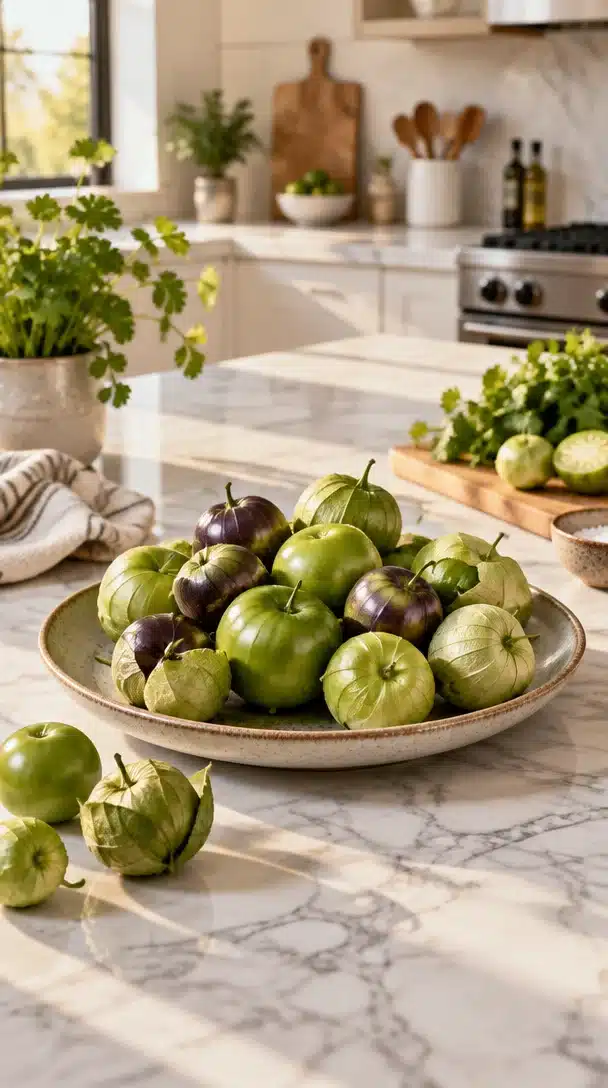
Table of Contents
Quick Guide to Growing Tomatillos
If you want the fast version, here it is: give tomatillos sun, space, and a buddy plant for pollination, then stay on top of watering and support. They grow like they mean it, and they will sprawl all over your garden bed if you let them.
What you will need to get started
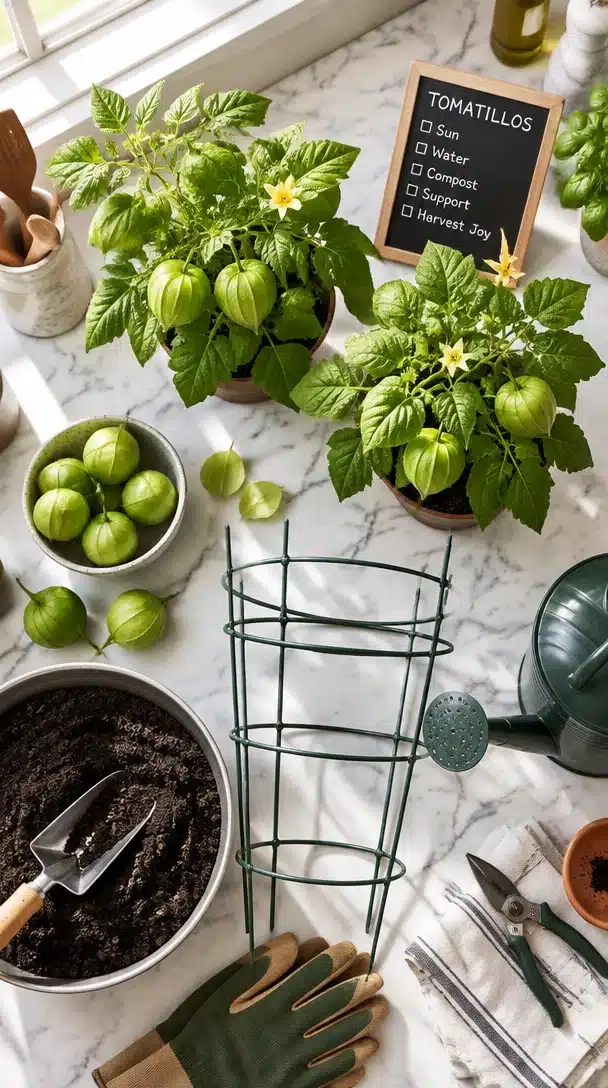
- At least two tomatillo plants (this is a big deal for good fruit set)
- Full sun (think 6 to 8 hours a day)
- A sturdy cage or stake system
- Compost or a basic garden fertilizer
- Consistent watering, especially once flowers show up
Most people mess up tomatillos by planting only one. I did it my first season and kept staring at flowers like, hello, do your job. Tomatillos generally need cross pollination, so two or more plants makes a night and day difference.
Also, don’t panic if your plant gets big and wild. That’s normal. Growing tomatillos feels a little like adopting a puppy that turns into a horse, but you can totally manage it with support and pruning light branches if needed.
Soil, Planting, and Care
Let’s talk basics. Tomatillos are pretty forgiving, but they have a few strong preferences. If you meet them halfway, your harvest can go from a handful of fruit to buckets.
Soil should drain well and have plenty of organic matter. If your soil is heavy clay, mix in compost and maybe a little coarse material to loosen it up. You do not need to overthink the perfect pH. Just aim for healthy garden soil that does not stay soggy.
Planting time matters. Tomatillos hate cold. I plant them after nights are reliably warm. If you plant too early, they just sit there sulking, and sometimes they never fully bounce back. If you are starting from seed, begin indoors several weeks before your last frost date, then harden them off before moving them outside.
Spacing is where people get optimistic and then regret it. Give each plant room, because airflow helps prevent disease and makes harvesting easier. I like at least 2 to 3 feet between plants, and more if I have the space.
Watering should be steady. You do not want extremes. If you let them dry out completely and then flood them, fruit can split and plants can get stressed. I water deeply, then let the top layer of soil dry a bit before watering again.
Support is not optional in my garden. A good tomato cage works, or staking with a little trellis vibe. Tomatillos get top heavy once fruit starts forming, and branches can snap in a storm. Ask me how I know.
One more tip that helped me: once the plant is established, mulch around the base. It keeps moisture consistent and helps with weeds. Also, you look like you have your life together, which is a fun bonus.
;
Tomatillo Varieties
Choosing a variety is like choosing apples. They are all apples, but the vibe is different. Some tomatillos stay small and extra tangy, and others get bigger and slightly sweeter. Either way, homegrown flavor is bright and super fresh.
Here are a few common types you will run into:
Green tomatillos are the classic salsa verde option. These are the ones most people picture, and they roast beautifully.
Purple tomatillos can be a little sweeter and they look cool in the garden. They often need a bit more time to fully color up, and they can be slightly less tart.
Yellow varieties tend to lean fruity and mild. If you like experimenting with sauces, these can be fun.
I usually grow at least two plants of one variety for reliable pollination, and if I have room, I add a third plant in a different color just because it makes harvesting feel more exciting.
And since we are food people here, you should know this: your variety choice can change how you cook them. If you love deep, smoky flavor, learn how to roast tomatillos and you will taste the difference between garden fresh fruit and the stuff that has been sitting around. Growing tomatillos basically turns you into the kind of person who says things like, wow, that is so much brighter than store bought, and you will be correct.
Problems with Growing Tomatillos
Even though growing tomatillos is pretty straightforward, a few issues show up again and again. The good news is most of them have simple fixes.
Lots of flowers, no fruit: This is the big one. Usually it means you only planted one, or pollinators are not visiting. Plant at least two. Also, avoid spraying anything that harms bees. If you are desperate, you can gently shake flowering branches to help move pollen around.
Plant is huge but not very productive: Too much nitrogen can do this. It makes leafy growth at the expense of fruit. If you have been feeding with a high nitrogen fertilizer, switch to something more balanced.
Husks form, but fruit is tiny: Sometimes that is just early fruit. Sometimes it is uneven watering. Keep moisture consistent and give it time.
Pests: Aphids, flea beetles, and hornworms can pop up, depending on where you live. I start with the gentle approach: spray aphids off with water, pick off bigger pests by hand, and keep the plant healthy so it can recover. If you use any treatment, follow the label and keep it food safe.
Diseases: Good airflow and avoiding wet leaves helps a lot. Water at the base when possible. If you see yellowing leaves low on the plant, trimming a few can help with airflow and cleanliness.
If you are growing in containers, watch for drying out. Containers can go from fine to crispy fast in summer, and tomatillos will absolutely complain by drooping dramatically in the afternoon.
How to Harvest and Store Tomatillos
Harvesting is my favorite part because tomatillos make it very obvious when they are ready. The husk fills out, the fruit feels firm, and you often see the papery husk split open a bit. That is usually your green light.
When I go out with a bowl to pick, I do a quick scan for husks that look full and tight. If the fruit inside is still tiny and rattling around, I leave it. If it feels like it is pressing against the husk, I pick it.
How to pick: I gently twist the fruit off the plant. Try not to yank branches because the plant can be brittle when loaded with fruit.
Don’t wash them right away if you are storing them. Tomatillos have a natural sticky coating under the husk. It is normal. I remove husks and wash right before cooking instead of washing everything at once.
Short term storage: Keep them in the fridge in a breathable bag. They can last a couple weeks this way, sometimes longer if they were picked at a good stage.
Longer storage: You can freeze tomatillos. I like to husk and rinse, then freeze them on a tray before moving to a bag so they do not clump into one mega tomatillo brick.
And yes, you can totally cook with them in fun ways beyond salsa. One of my guilty pleasures is making crispy snacks, and fried tomatillos are dangerously easy to love.
If you are wondering about pantry options, it helps to know the flavor difference and texture quirks between products. This little guide on fresh vs canned tomatillos is super handy when you have a bumper crop and start thinking, okay, what can I stash for later?
Growing tomatillos is also one of those gardening wins that makes you feel brave enough to try more things. If you want extra growing pointers from solid sources, I like this practical overview from Growing Tomatillo Plants | General Planting & Growing Tips, and this research based guide from How to Grow Tomatillos in Your Garden | USU. Also, if you are stuck on the pollination question because you only have balcony space, this explainer on Are Tomatillos Self-Pollinating? A Gardener’s Guide clears things up.
My last little pep talk: do not overcomplicate it. Give them sun, give them a friend plant, keep watering steady, and support the branches once the fruit starts coming in. After that, growing tomatillos is mostly you showing up with a basket, feeling proud, and planning what you are cooking first. 
Growing Tomatillos
Ingredients
Instructions
- Choose at least two tomatillo plants for pollination.
- Ensure they will receive 6 to 8 hours of sunlight daily.
- Prepare a sturdy cage or stake system for support.
- Mix compost or fertilizer into well-draining soil before planting.
- Water consistently, especially after the flowers appear.
- Space plants 2 to 3 feet apart to allow airflow.
- Mulch around the base once established to retain moisture.
- Regularly prune light branches to manage size.
- Harvest when the husks fill out and start splitting.
- Gently twist off the fruit; avoid yanking branches.
- Store unwashed tomatillos in the fridge in a breathable bag.
- For longer storage, husk, wash, and freeze on a tray.