
Roasted tomatillo sauce is a blended green sauce built entirely on the Physalis philadelphica the small, husk-wrapped tomatillo that drives Mexican and Southwestern cooking the way a tomato drives Italian.
The technique is straightforward: roast the tomatillos until they blister and soften, blend them with aromatics, and cook the result down into a sauce that holds its shape and delivers real depth. Whether you came looking for a homemade tomatillo enchilada sauce or a green enchilada sauce made from scratch with fresh tomatillos, this is the same recipe. The method does not change.
The tomatillo is not a garnish here. Its natural acidity sharper than a tomato, greener than a pepper softens with heat into something that reads as tangy and faintly sweet at the same time, and that shift is what gives the sauce its range. It works over enchiladas, as a braising liquid, spooned over eggs, or frozen in batches for weeknight use.
This takes about 45 minutes start to finish, including cooling time. You need a baking sheet, a blender or food processor, and a saucepan. No special equipment. Skills required: basic knife work and a little patience while things cool before blending.
I have made this sauce in restaurant kitchens and at home for decades, and I come back to it specifically because it improves when you make it ahead. The flavor tightens overnight. If you are new to working with tomatillos, What Is a Tomatillo covers everything you need before you start.
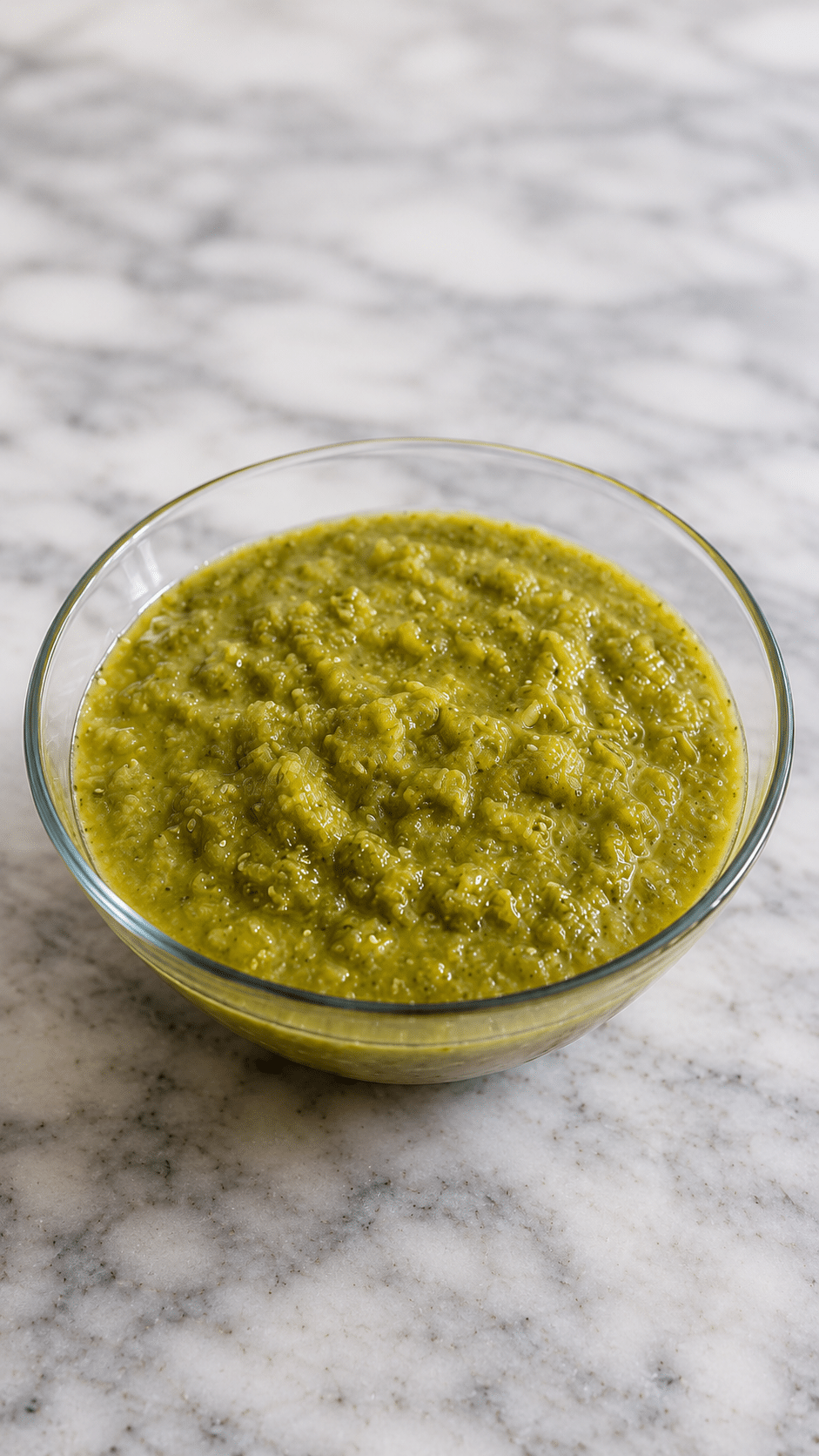
| Serves | Makes approximately 3 cups (enough for 6–8 servings as a sauce) |
| Prep Time | 10 minutes |
| Cook Time | 25 minutes |
| Total Time | 45 minutes (includes 10 min cooling) |
| Skill | Easy |
| Cost | Budget |
Table of Contents
What Is Roasted Tomatillo Sauce?
Roasted tomatillo sauce belongs to the salsa verde family the broad category of green sauces that form the foundation of Mexican home cooking and much of Tex-Mex and Southwestern cuisine.
Unlike a raw salsa verde, which preserves the tomatillo’s sharp, almost grassy tartness, roasted tomatillo sauce passes the fruit through dry oven heat first. That distinction is not cosmetic. It changes the sauce’s flavor architecture entirely.
In Mexican cooking, sauces built on tomatillos have been used for centuries as braising liquids, enchilada bases, and table condiments. The Aztec name for the plant miltomate predates Spanish contact, and the fruit has remained central to the green sauces of Oaxacan, Guerreran, and central Mexican cooking ever since.
What distinguishes this sauce from a purchased green enchilada sauce or jarred salsa verde is the roasting step: the tomatillo’s papery husk is removed, the fruit is halved, and it goes onto a baking sheet under high heat. That step is where the flavor is built.
The tomatillo’s structural role in this sauce goes beyond acid. It provides the sauce’s body its density and color in a way that neither green bell pepper nor cilantro alone can replicate. The tomatillo’s pectin content, released during roasting, gives the blended sauce a coating quality that makes it cling to food rather than pool beneath it.
Combined with the poblano and jalapeño that roast alongside it, the tomatillo forms the sauce’s backbone. The peppers provide heat and vegetal depth; the tomatillo provides structure, acid, and the color shift from bright green to the characteristic deeper olive-green that signals a properly roasted batch.
If you are thinking of green enchilada sauce from a can, this is a different product. Canned green enchilada sauce is pre-seasoned, often contains added thickeners and salt, and lacks the charred, slightly smoky quality that comes from roasting fresh tomatillos. If you are thinking of a blended salsa verde, the key difference is cook-down: this sauce is reduced after blending, which concentrates it and removes excess liquid, making it coat-ready rather than dip-ready.
Chef Thomas Info:
Roasted tomatillo sauce sits within a large family of tomatillo-based green sauces that appear throughout Mexican home cooking from Michoacán to Oaxaca. The core method roast the tomatillo to drive off water and develop sweetness, then blend and reduce is the same whether the sauce is going over enchiladas, into a braise, or onto a taco. The tomatillo is what makes this a green sauce and not just a pepper sauce.
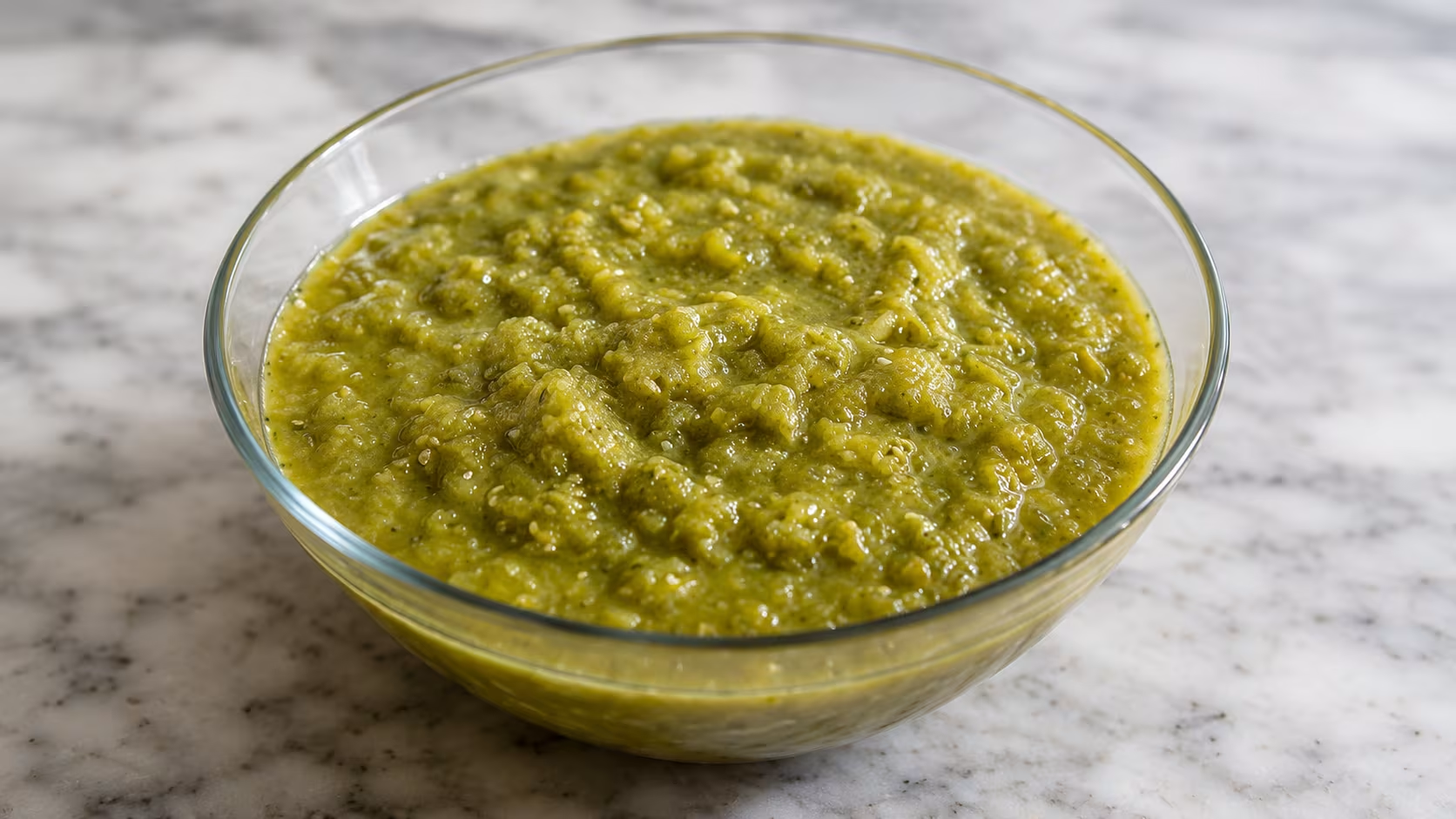

Roasted Tomatillo Sauce
Ingredients
Equipment
Instructions
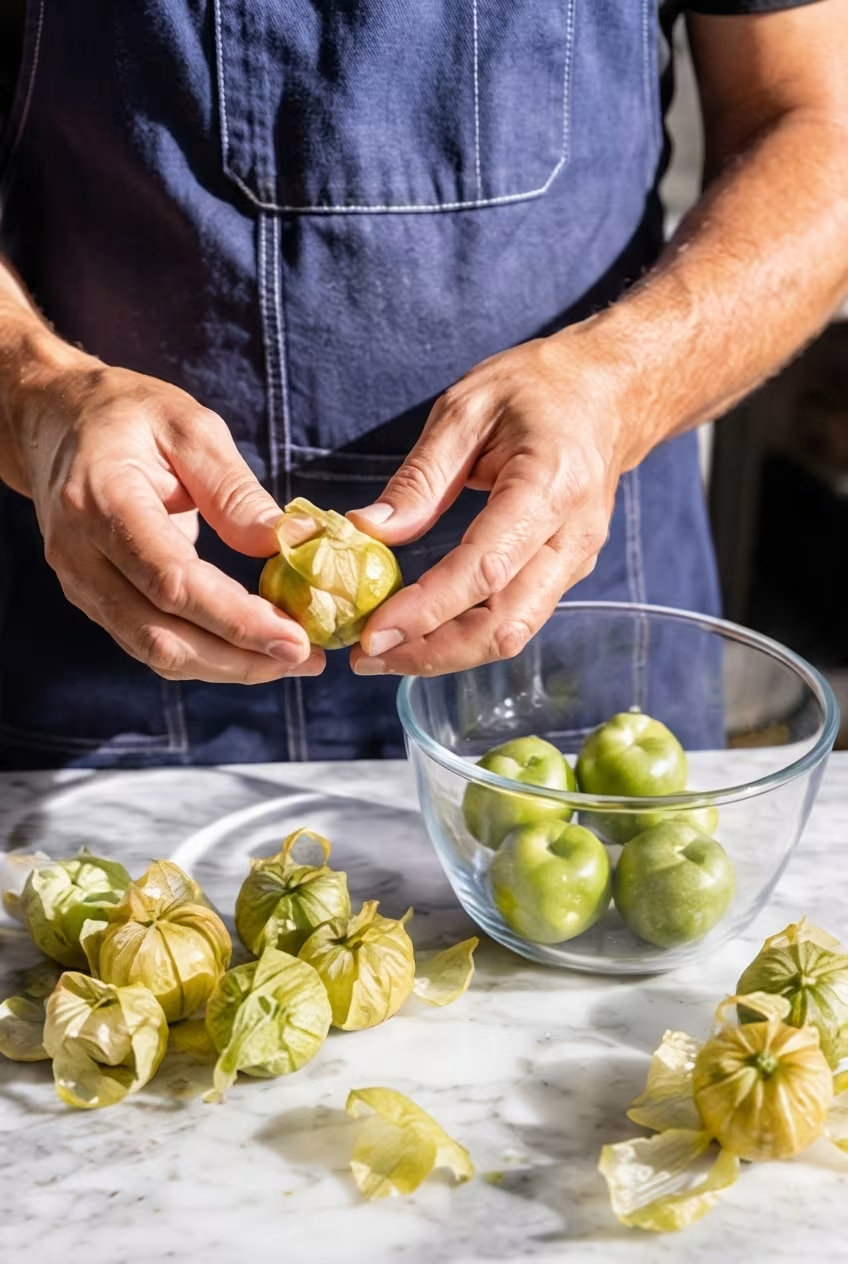
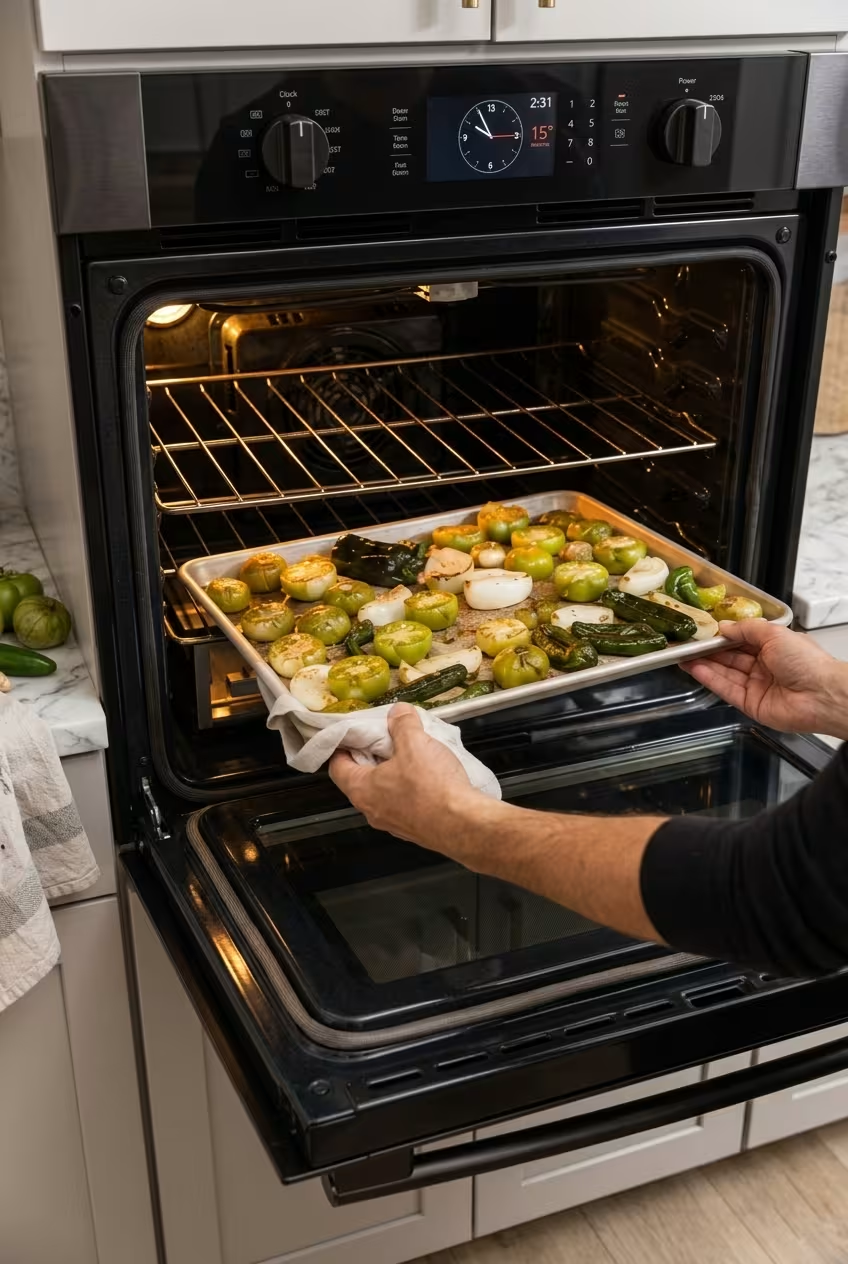
- Preheat the oven to 425°F (220°C) and allow it to come fully to temperature before anything goes in. Husk the tomatillos, rinse under warm water, rub off the sticky coating, and halve each one through the equator. Place them cut-side down on a large rimmed baking sheet.

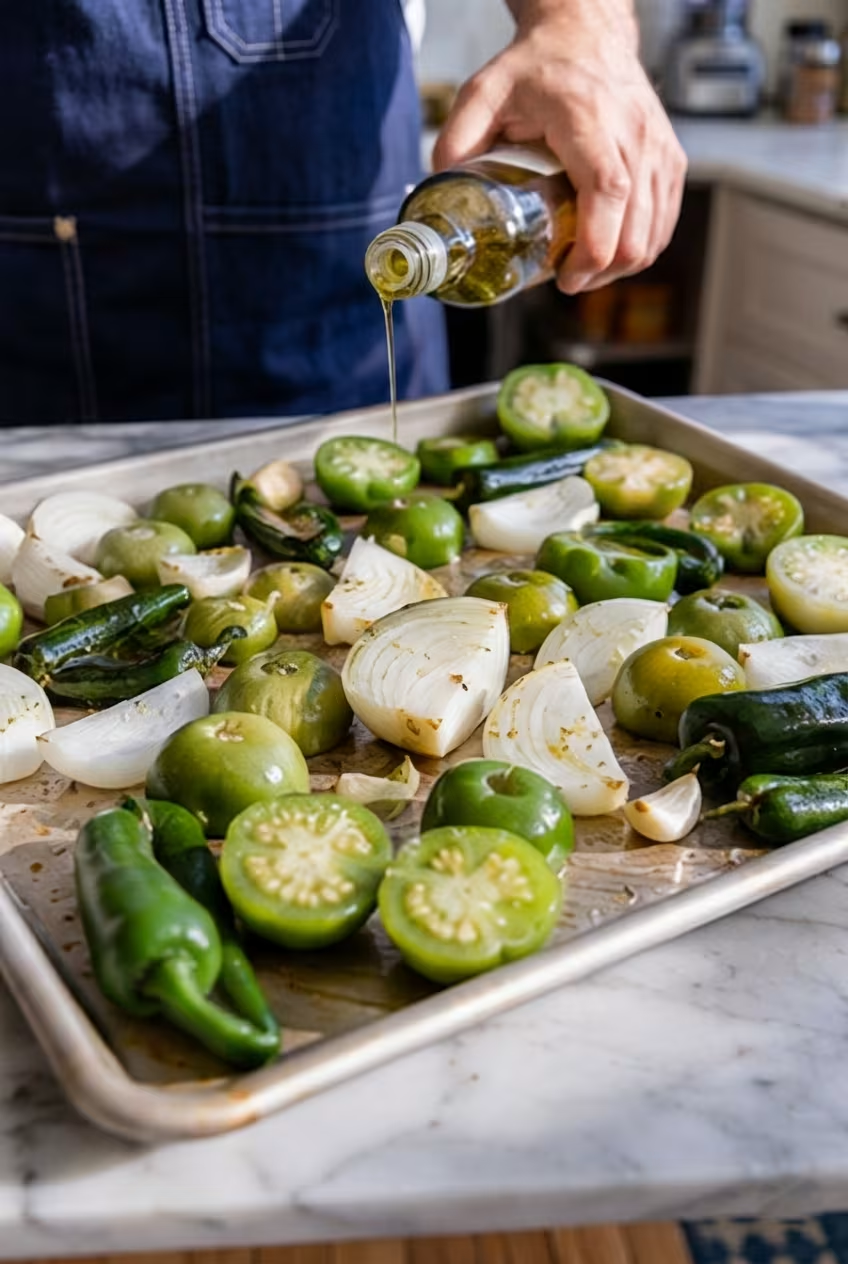
- Add the quartered onion, unpeeled garlic cloves, halved jalapeños, and halved poblano to the baking sheet. Drizzle everything with olive oil, season with kosher salt and black pepper, and toss lightly. Arrange in a single layer do not crowd the pan or the tomatillos will steam instead of roast.
- Roast for 20 to 25 minutes, until the tomatillo cut surfaces are browned at the edges and the flesh has collapsed, the skins have blistered and pulled back, and the pepper skins are dark and bubbled. The color of the tomatillos should shift from bright green to a muted army green that color change signals they are done.
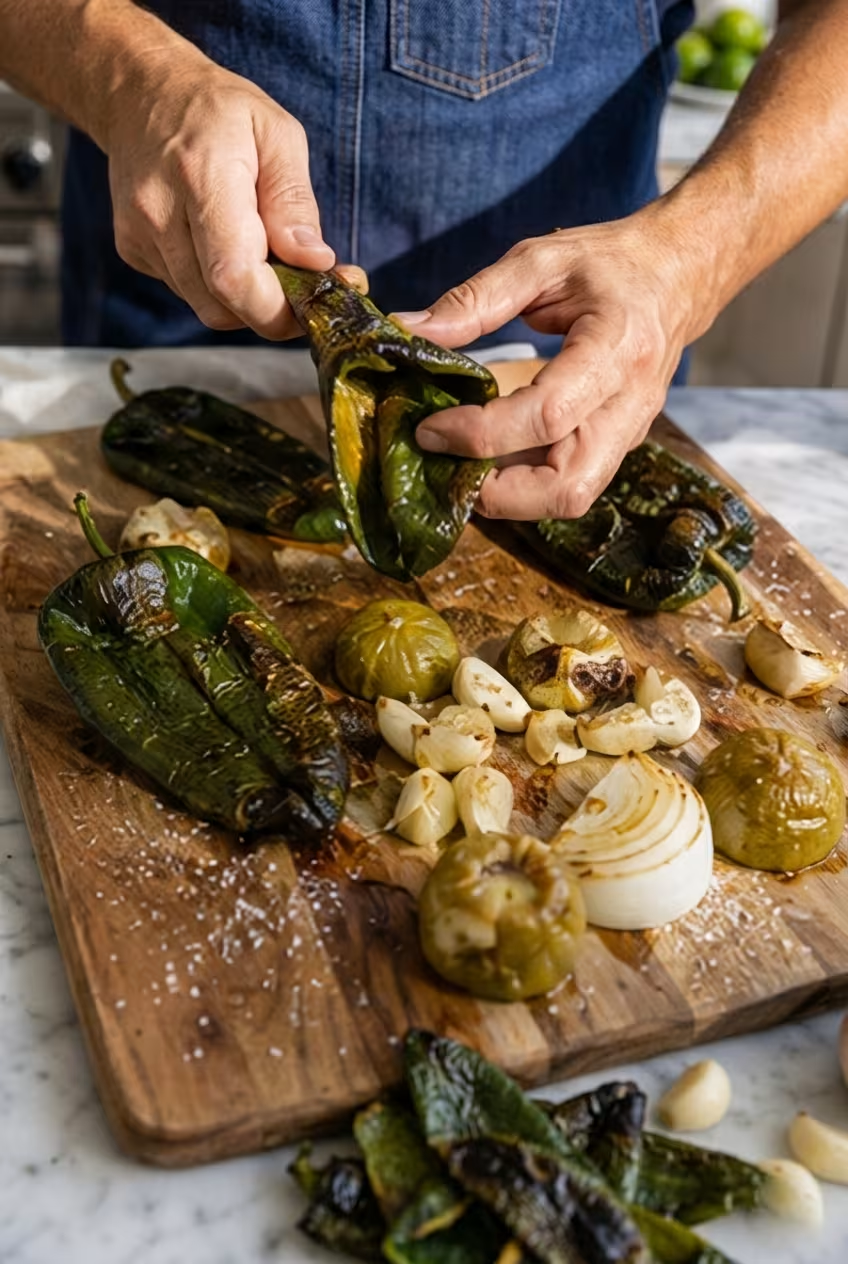
- Remove from the oven and rest for 10 minutes. Peel the blistered skins from the peppers, remove all seeds from the jalapeños and poblano, and squeeze the garlic cloves out of their skins. Collect all roasted vegetables and any pan juices those juices carry concentrated tomatillo flavor and go into the blender.
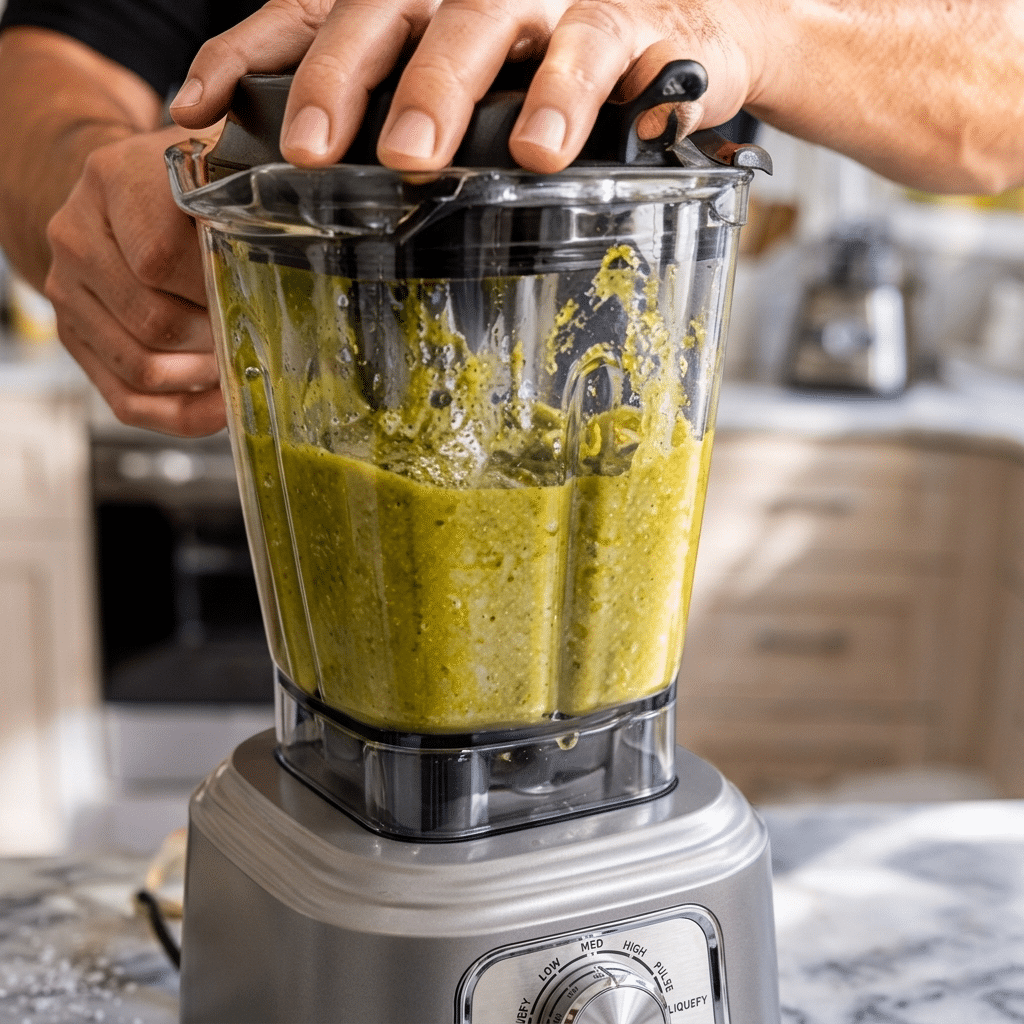
- Add the roasted tomatillos, peppers, onion, garlic, pan juices, fresh cilantro, lime juice, and cumin to a blender or food processor. Blend on high for 30 to 45 seconds until smooth with very slight body. If the blender is struggling, add the stock now to help it move. Taste and adjust salt and lime before the cook-down concentrates the flavor further.

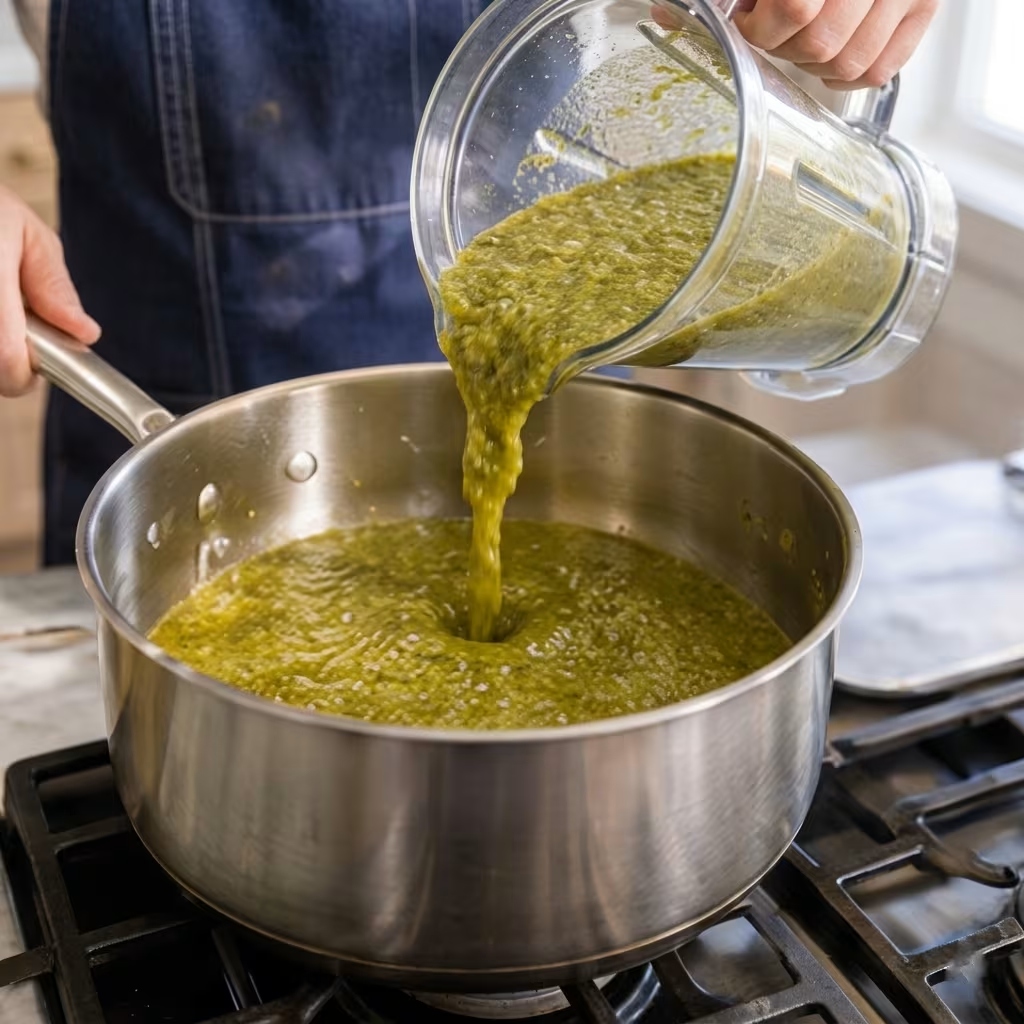
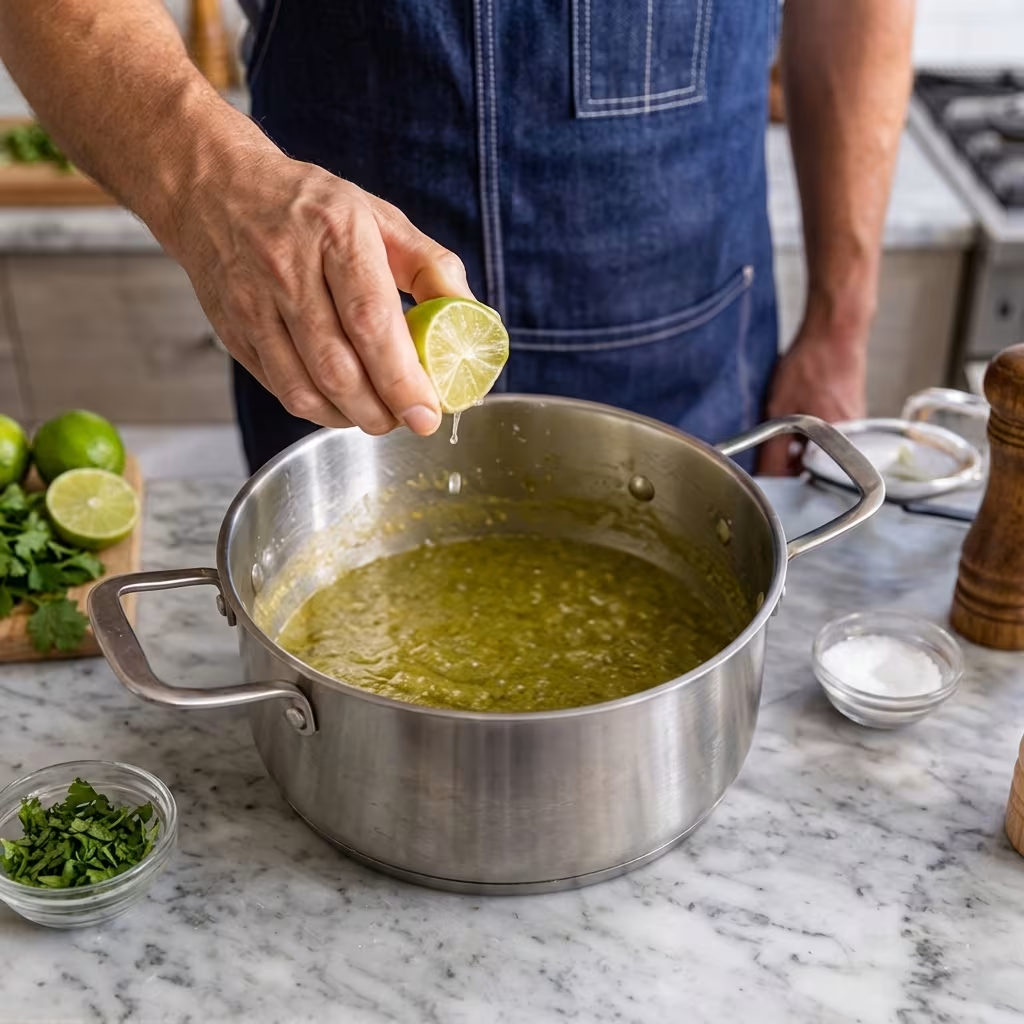
- Heat a medium saucepan over medium-high heat with a small drizzle of olive oil. Pour in the blended sauce it will spatter briefly, so stand back. Cook at a steady simmer for 8 to 12 minutes, stirring occasionally, until the sauce reduces by roughly 20 to 25% and coats the back of a spoon. The color will deepen to a rich olive-green and the flavor will shift from sharp and acidic to balanced and savory.
- Remove from heat. Taste and adjust salt and lime. Use immediately over enchiladas, as a braising liquid for chicken, or spooned over eggs. To store, let cool completely before transferring to an airtight container.
Notes
The Tomatillo’s Role in Roasted Tomatillo Sauce
Raw tomatillos register a pH of approximately 3.6 to 3.8 more acidic than most tomatoes, which typically fall between 4.0 and 4.5. That sharp acidity is what gives fresh tomatillo its characteristic bite and its slightly waxy, green-apple flavor when eaten raw. When the tomatillo is halved and placed cut-side down on a hot baking sheet at 425°F (220°C), two processes happen simultaneously.
First, the cut surface undergoes partial caramelization, converting some of the fruit’s natural sugars primarily fructose into compounds that read as mild sweetness rather than tartness. Second, moisture evaporates from the surface, concentrating both the flavor compounds and the remaining acids.
The result is a tomatillo that has shifted from sharp and aggressive to mellow and complex. The skin blisters and pulls away from the flesh; the flesh collapses into a soft, jammy structure. The color changes from bright, almost neon green to a muted army green and that color change is the correct visual signal that roasting is complete.
If the tomatillos are still bright green when you pull them from the oven, they have not spent enough time under heat, and the sauce will taste raw and aggressively sour. You want them collapsing, slightly charred at the edges, with skins that look loosened.
In this sauce, the tomatillo’s acid has a specific structural function during the cook-down phase. After blending, when the sauce goes into a hot saucepan, the residual acid reacts with the heat to tighten the sauce’s body rather than thin it.
Pectin released from the tomatillo’s cell walls during roasting acts as a natural thickener; the acid stabilizes those pectin chains during the reduction. This is why a properly made roasted tomatillo sauce thickens with cooking rather than becoming watery the tomatillo is doing work that tomato paste or flour would normally be asked to do.
What tomato cannot provide here is the combination of high pectin content, green chlorophyll color, and volatile compounds that give the sauce its characteristic aroma when it hits a hot pan. A tomato-based sauce roasted under the same conditions produces a different result: redder, sweeter, lower in acid, and without the green herbal note that defines this category.
For this recipe specifically, fresh tomatillos are the correct choice. The roasting step is built around the fresh fruit’s behavior under dry heat the way moisture escapes the halved surface, the way the skin blisters, the way the flesh collapses into a state that blends cleanly without excess liquid.
Canned tomatillos have already been heat-processed; they are soft before they go into the oven, which means they do not roast, they steam on the baking sheet. The char that canned tomatillos cannot develop is not just visual it carries volatile sulfur compounds and Maillard products that contribute to the sauce’s savory depth.
I have made this with canned tomatillos when fresh were unavailable, and the sauce is acceptable but noticeably flatter. The roasted depth is absent. For the enchilada use case specifically where the sauce will be tasted plain across an entire baking dish that difference matters.
Ingredients
| Ingredient | Amount |
|---|---|
| Fresh tomatillos, husked and rinsed | 1½ lbs (680g) |
| Poblano pepper | 1 large |
| Jalapeño peppers | 2 medium |
| White onion, quartered | 1 medium |
| Garlic cloves, unpeeled | 4 cloves |
| Extra-virgin olive oil | 2 tablespoons (30ml) |
| Kosher salt | 1 teaspoon (5g), plus more to taste |
| Fresh cilantro, leaves and tender stems | ½ cup loosely packed (15g) |
| Fresh lime juice | 2 tablespoons (30ml) — about 1 large lime |
| Chicken or vegetable stock | ¼ cup (60ml), for cook-down |
| Ground cumin | ½ teaspoon (1.5g) |
| Black pepper, freshly ground | To taste |
Ingredient Notes
Tomatillos — the foundation: Fresh tomatillos should feel firm and dry, with their papery husk still intact and the fruit inside sitting snug against it a husk that has pulled away from the fruit and feels loose is a sign of age.
Once husked, rinse the tomatillos under warm water and rub them; they have a natural waxy, slightly sticky coating that comes off easily and will make the final sauce taste cleaner if removed. For this recipe, skip roasting and you lose the sauce’s defining characteristic: raw tomatillos produce a sharp, one-dimensional sauce that reads as sour rather than complex.
The roasting step is not optional. Canned tomatillos can be used in an emergency drain them, skip the oven roasting, and proceed directly to blending but expect a sauce that is softer in flavor and thinner in body.
Poblano pepper: The poblano provides mild heat and a deep, slightly smoky vegetal flavor that complements the tomatillo’s acidity without competing with it. Roasting the poblano alongside the tomatillos also allows the skin to blister, which is easily removed and improves the sauce’s texture.
Substitution: Anaheim pepper works and produces a milder, slightly sweeter result. Green bell pepper can be used, but it contributes no heat and a noticeable raw sweetness that moves the sauce away from its savory character.
Jalapeño: Two jalapeños at medium heat produce a sauce that is present but not aggressive suitable for most home audiences. One jalapeño is mild; three is noticeable heat throughout. Remove seeds and inner ribs after roasting for a milder result. Serrano can substitute at a 1-to-1 ratio for more heat with a slightly brighter, thinner flavor.
White onion: I use white onion here rather than yellow because its higher water content means it softens faster under the same oven heat as the tomatillos, which keeps the roasting time consistent across everything on the baking sheet. Yellow onion substitutes without a significant flavor difference, though the sauce will read slightly sweeter.
Garlic — roasted unpeeled: Leaving the garlic in its skin during roasting protects it from burning while still allowing the cloves to soften and sweeten. Squeeze them out of the skins before blending. Raw garlic added at the blending stage produces a sharper, more aggressive garlic flavor appropriate if you want intensity, but it can dominate the tomatillo if overused.
Cilantro: Added after blending rather than roasted with the vegetables. Heat destroys cilantro’s volatile aromatic compounds immediately; adding it to the hot blended sauce rather than the oven preserves those green, citrus-forward notes. If cilantro is genuinely disliked (or there is a genetic sensitivity to it), flat-leaf parsley plus a few extra drops of lime juice approximates the herbal freshness.
How to Make Roasted Tomatillo Sauce
The method has a sequence and the sequence matters: roast the raw ingredients to build flavor and reduce moisture, blend them into a cohesive sauce, then cook the sauce down to concentrate it and bring everything together. Skipping the cook-down after blending is the most common mistake it leaves the sauce tasting like a smoothie rather than a sauce.
Step 1: Prepare and Roast the Tomatillo Base
Set your oven to 425°F (220°C) and let it come fully to temperature before anything goes in. Husk the tomatillos, rinse and dry them, then halve each one through the equator. Place them cut-side down on a large rimmed baking sheet.
Add the quartered onion sections, the whole unpeeled garlic cloves, the jalapeños (halved lengthwise), and the poblano (halved lengthwise, seeds left in for now). Drizzle everything with olive oil and season with kosher salt. Do not crowd the pan the tomatillos need dry heat contact, not steam. If everything does not fit in a single layer, use two baking sheets.
Roasting at high heat drives off surface moisture from the tomatillo halves and initiates the caramelization of their natural sugars, shifting the pH upward from raw acidity toward a more balanced flavor. A crowded pan traps steam and prevents that moisture loss, producing a stewed rather than roasted result. The sauce will taste flat.
If the tomatillos go in before the oven is fully hot, they will steam in their own liquid rather than char. You will know by smell the right result smells faintly smoky and sweet; wrong smells like boiling vegetables.
Roast for 20 to 25 minutes. The tomatillos are done when their cut surfaces have a light char at the edges, the skins have blistered and pulled back, and the flesh looks collapsed rather than firm. The poblano and jalapeño skins should be dark and bubbled. The onion edges should be beginning to brown.
Step 2: Rest, Peel, and Prep for Blending
Remove the baking sheet from the oven and let everything rest for 10 minutes before touching it. Hot peppers off the oven will burn fingers; more importantly, the resting time allows the tomatillos to finish releasing steam, which means less excess liquid in the blender.
After resting, remove the pepper skins — they pull away easily from the blistered flesh. Remove the seeds from the jalapeños and the poblano at this stage. Squeeze the garlic cloves out of their skins. Collect all the roasted vegetables plus any juices that have pooled on the baking sheet. Those pan juices carry concentrated tomatillo flavor and go into the blender with everything else.
Leaving the seeds in the peppers increases heat significantly and is a legitimate choice if you want a spicier sauce. Removing them gives you a sauce that most people find accessible.
Step 3: Blend the Sauce
Add the roasted tomatillos, peppers, onion, garlic, pan juices, fresh cilantro, lime juice, and cumin to a blender or food processor. Blend on high for 30 to 45 seconds. The target texture for a roasted tomatillo enchilada sauce is smooth with very slight body not silky-smooth like a cream sauce, but without visible chunks. If the blender is struggling, add the stock at this stage to help it move.
Do not over-blend. The tomatillo’s cell walls have already broken down in the oven; over-blending introduces air and can turn the sauce from green to a lighter, almost grey color. Thirty seconds at high speed is enough.
Taste here before the sauce cooks down further. It will be thinner and more acidic than the finished product, but you can gauge salt and lime balance at this stage and adjust before the cook-down concentrates everything.
Step 4: Cook Down and Finish the Sauce
Heat a medium saucepan over medium-high heat. Add a small drizzle of olive oil, then pour the blended sauce directly into the hot pan. It will spatter for the first few seconds — stand back and have a lid nearby if needed.
Cook the sauce at a steady simmer for 8 to 12 minutes, stirring occasionally. The sauce should reduce by roughly 20 to 25%, thickening from a loose, pourable consistency to something that coats the back of a spoon. If you are using this as a green enchilada sauce base and want it to coat tortillas without soaking through immediately, err toward the thicker end. If you are using it as a table sauce, pull it a minute earlier.
The cook-down concentrates the tomatillo’s flavor compounds, drives off the last of the raw volatile acids, and allows the residual pectin from the tomatillo skins and flesh to tighten the sauce’s body. A sauce pulled too early from the heat will taste acidic and thin; one allowed to reduce properly tastes balanced and coats evenly. Stirring also prevents the tomatillo solids from settling and scorching on the bottom of the pan.
The sauce is done when it holds its shape briefly on a spoon before sliding slowly. The color will have deepened to a rich, medium olive-green. It should smell savory, smoky at the edges, and herbal from the cilantro.
Taste, adjust salt and lime, and remove from heat. Let it cool for a few minutes before using over enchiladas, as a braising liquid, or as a base for other dishes.
The roasting and the cook-down are the two pillars of this sauce. Everything above covers them in full. What follows below is the rest of what you will need variations, storage, troubleshooting, and the questions I get asked most often about working with tomatillos in a sauce format.
Slow Cooker Variation
A slow cooker cannot replicate the roasting step, but it works well for the second phase of this sauce the braise or cook-down once the tomatillos have been roasted and blended. Roast the tomatillos and peppers in the oven as directed, blend the sauce, then pour it directly into the slow cooker. Cook on HIGH for 1½ to 2 hours, uncovered for the last 30 minutes to allow some evaporation and concentrate the flavor. The result is nearly identical to the stovetop version.
What you lose: the quick, high-heat reduction on the stovetop produces a slightly more concentrated flavor in less time. The slow cooker version is gentler and slightly less caramelized in its final flavor. What you gain: hands-off time and the ability to hold the sauce warm for serving.
For the tomatillo specifically, the longer low-heat cook in the slow cooker continues to mellow residual acidity, which means the slow cooker version of this sauce is marginally less tart than the stovetop version. If you prefer a less acidic final sauce, the slow cooker is actually the better method here.
For a finished dish with protein, see Chicken Enchiladas with Tomatillo Sauce the sauce from this recipe goes directly into that one.
Chef Tips for the Best Roasted Tomatillo Sauce
This sauce connects directly to a broader family of tomatillo preparations on this site. The blended, reduced method here is the same backbone used in the tomatillo salsa verde and in the chicken enchilada sauce the tomatillo behaves consistently once you understand how it responds to heat. Master this sauce and the others follow naturally.
Variations and Substitutions
Tomatillo Substitutions
Canned tomatillos: Drain and use directly in the blender without oven roasting they are already soft and will not develop char. The sauce will be noticeably thinner in body and paler in flavor, lacking the depth that comes from Maillard browning. Acceptable for table sauces or quick weeknight cooking; less ideal for enchilada baking where the sauce will be tasted without competing flavors.
Jarred salsa verde: Can be used as a shortcut base pour it into a saucepan with a squeeze of lime and a handful of fresh cilantro and cook it down by 25% to concentrate. It will not have the smoky, roasted character of the fresh version, but it produces a usable enchilada sauce in under 15 minutes.
Canned green enchilada sauce: The flavor profile is different pre-seasoned, often cumin-forward, with added starch thickeners but it is a functional substitute if fresh tomatillos are unavailable. Expect a drier, less herbal result. When I use this as a homemade tomatillo salsa verde alternative, the texture gap is most noticeable.
Protein Substitutions
This sauce works as a braising liquid or topping for multiple proteins. Chicken (thighs preferred) braises in it in 25 to 35 minutes at 350°F (175°C). Pork shoulder, cut into 2-inch pieces, needs 2 to 2½ hours at the same temperature.
Fish fillets poach in the sauce in 8 to 12 minutes on the stovetop over medium-low heat. Each protein changes the sauce slightly chicken releases collagen that thickens the sauce during braising; fish releases moisture that thins it. For the fish application, start with a sauce cooked down slightly further than you would for chicken.
Spice Level Adjustments
Mild: Use one jalapeño, remove all seeds, and substitute the poblano with Anaheim pepper. The sauce will have present but gentle heat with a sweet vegetal quality. Add a pinch of mild chili powder to maintain the savory depth the pepper seeds would otherwise provide.
Medium (as written): Two jalapeños, seeds removed. Poblano with seeds removed after roasting. Most palates find this range approachable.
Hot: Keep all seeds from both jalapeños and the poblano. Add one serrano alongside the jalapeños on the baking sheet. The sauce will be genuinely spicy throughout noticeably hotter than most restaurant green sauces.
For the tomatillo specifically: increased heat does not change the tomatillo’s behavior in the sauce. The ratio adjustment happens entirely on the pepper side.
Dietary Adaptations
Dairy-free: This sauce contains no dairy in its base form. Most dishes that use it as an enchilada sauce add cheese; simply omit or substitute with a non-dairy alternative.
Gluten-free: The sauce as written is naturally gluten-free. No thickeners are used.
Vegan: Use vegetable stock in place of chicken stock. The flavor is marginally lighter but functionally identical.
Low-sodium: Use no-salt-added stock and reduce the kosher salt to ½ teaspoon. Finish with lime juice, which amplifies the perception of saltiness without adding sodium.
Troubleshooting
The Sauce Is Too Thin and Watery
Problem: The finished sauce runs off food rather than coating it, and tastes diluted.
Cause: Insufficient cook-down after blending, or the tomatillos were not roasted long enough and retained too much moisture before blending.
Fix: Return the sauce to a saucepan over medium-high heat and simmer uncovered for an additional 5 to 8 minutes, stirring frequently. Do not add thickeners the tomatillo’s own pectin will tighten the sauce if given time.
Prevention: Roast the tomatillos until the cut surfaces are visibly browned and the flesh has collapsed. After blending, reduce for the full 8 to 12 minutes do not pull the sauce early.
The Sauce Is Too Tart or Sour
Problem: The sauce tastes aggressively acidic, almost sharp, and the tomatillo flavor is one-dimensional.
Cause: Under-roasting. The tomatillos were not in the oven long enough to convert their natural acids and develop sweetness. Or they were not roasted at high enough heat.
Fix: A small amount of sugar (½ teaspoon maximum) can partially address this in the finished sauce. Better: add a small amount of honey (¼ teaspoon), which has a more complex sweetness that blends more naturally with tomatillo’s flavor than white sugar. Continue cooking the sauce down further extended heat continues to mellow acidity.
Prevention: Roast at 425°F, not lower. Confirm the tomatillos are blistered and army-green (not bright green) before removing from the oven.
The Sauce Is Too Thick or Paste-Like
Problem: The sauce is dense, sticky, and coats the pan heavily rather than flowing.
Cause: Over-reduction on the stovetop, or the tomatillos were very large and starchy, contributing more solid content than average.
Fix: Thin with warm stock add 2 tablespoons at a time and stir over low heat until the consistency loosens to the desired point. Do not add water if avoidable; stock maintains flavor better.
Prevention: Pull the sauce from the heat as soon as it coats a spoon rather than waiting until it holds a clear path when you drag a finger through it.
The Sauce Has Separated or Looks Greasy
Problem: The sauce has visible oil pooling on the surface or looks broken, with liquid and solids separating.
Cause: Too much olive oil used during roasting, or the sauce was blended at too high a speed for too long, incorporating too much air and disrupting the emulsion.
Fix: Stir vigorously off heat, or briefly re-blend the sauce with a splash of warm stock to re-emulsify it. A minute in the blender at medium speed usually resolves this.
Prevention: Use 2 tablespoons of olive oil maximum on the baking sheet. Blend at high speed for 30 seconds, then stop do not continue blending past the point where the sauce is smooth.
The Sauce Tastes Bitter
Problem: There is a persistent bitter note underneath the savory and acidic flavors.
Cause: Tomatillo seeds and skin from over-blending, or garlic that was charred rather than roasted (garlic burnt past golden becomes bitter quickly).
Fix: Strain the sauce through a medium-mesh strainer to remove seed fragments. If garlic is the issue, you can blend in a very small amount of honey to counterbalance.
Prevention: Watch the garlic cloves on the baking sheet they should be soft and golden inside when squeezed, not darkened. Unpeeled cloves roasted at 425°F for 20 minutes are generally safe, but check at 18 minutes.
The Sauce Lacks Depth It Tastes Flat
Problem: The sauce is technically correct in texture but lacks savory complexity.
Cause: Insufficient cook-down after blending, or cilantro added to the oven (losing its volatile aromatics) rather than post-blend.
Fix: Return to heat and reduce for an additional 5 minutes. Finish with a fresh squeeze of lime and another small handful of fresh cilantro added to the hot sauce off the heat.
Prevention: Always add cilantro after blending, never before. And reduce the sauce fully this is where the tomatillo flavor actually develops its savory character.
Storage, Make-Ahead, and Reheating
Refrigerator
Store in an airtight container for up to 5 days. The sauce’s color will deepen slightly in the refrigerator this is normal oxidation and does not affect flavor. In fact, the flavor improves after 24 hours as the acid and aromatic compounds equilibrate. Store separately from any protein if possible.
Freezer
Freeze for up to 3 months in airtight freezer bags or containers. For enchilada use, freeze in 1½-cup portions roughly the right amount for one baking dish. Thaw overnight in the refrigerator.
Do not thaw on the counter; the sauce’s density means the outside thaws much faster than the interior, which can allow bacterial growth at the surface before the center is ready. After thawing, give the sauce a good stir some separation is normal and resolves with mixing.
Tomatillo’s relatively high acid content (even after roasting, the sauce remains in the pH 4.0 to 4.5 range) inhibits bacterial growth more effectively than lower-acid sauces, which is why this recipe freezes and reheats particularly well the flavor holds in a way that a cream-based sauce or a low-acid tomato sauce does not.
Reheating
Stovetop (preferred): Pour into a small saucepan over medium-low heat. Add 2 tablespoons of stock or water to restore the sauce to its original consistency. Stir continuously until it reaches a simmer. This takes about 4 to 5 minutes and produces the best result the sauce re-emulsifies fully and tastes closest to fresh.
Microwave: Transfer to a microwave-safe container. Cover loosely (not sealed steam needs to escape). Heat at 70% power in 60-second intervals, stirring between each, for 2 to 3 minutes total. Add a splash of water or stock if the sauce looks dry.
Make-Ahead
This sauce can be made up to 4 days ahead and refrigerated. It is actually better on day two. For an assembled enchilada dish: you can assemble the enchiladas with the sauce up to 24 hours ahead, cover tightly, and refrigerate unbaked. Add 10 minutes to the covered baking time when going from cold. The sauce itself does not need adjustment — its acid content prevents the tortillas from becoming soggy faster than you might expect, which is another place where the tomatillo does quiet work.
Estimated Nutrition Per Serving
(Based on ½ cup sauce per serving, approximately 6 servings)
| Nutrient | Amount per Serving |
|---|---|
| Calories | 65 |
| Protein | 1.5g |
| Carbohydrates | 8g |
| Fat | 3.5g |
| Saturated Fat | 0.5g |
| Sodium | 210mg |
| Fiber | 2g |
Estimates only. Values vary with tomatillo preparation method, roasting time, pepper choice, and additional ingredients used.
Frequently Asked Questions
Can I Use Canned Tomatillos Instead of Fresh?
Yes, but the result is a different sauce. Canned tomatillos are already soft and cannot develop char in the oven they will simply steam on the baking sheet.
The sauce you produce with them will be usable and have the correct flavor direction, but it will lack the smoky, slightly caramelized depth that makes this version work as an enchilada base or a braising liquid. If you are using the sauce as a table condiment or a quick weeknight option, canned tomatillos are fine. If the sauce is the centerpiece of the dish, use fresh.
Can I Use This as a Green Enchilada Sauce with Tomatillos?
This is exactly what the sauce is designed for. It replaces canned green enchilada sauce in any recipe at a 1-to-1 ratio. The body and consistency after the stovetop cook-down are correct for pouring over rolled tortillas and baking thick enough to coat without soaking through immediately. For the specific enchilada application, see Chicken Enchiladas with Tomatillo Sauce for the full baked dish.
How Do I Make Homemade Tomatillo Enchilada Sauce Less Spicy for Kids?
Use one jalapeño, remove all seeds from both the jalapeño and the poblano, and substitute Anaheim pepper for the poblano if you want even milder results. The sauce will have a savory depth from the roasting without meaningful heat. A pinch of mild chili powder maintains the earthy savory note that the pepper seeds would otherwise provide. Most children respond well to this version.
What Does Roasted Tomatillo Taste Like in This Sauce?
Cooked, roasted tomatillo tastes tangy, faintly smoky, and slightly sweet — nothing like the sharp, raw flavor of the fresh fruit eaten off the vine. There is a herbal quality, something close to green apple mixed with lime zest, and a savory backdrop that comes from the Maillard browning on the cut surface. It is not as sweet as a roasted tomato and considerably more acidic. In this sauce, with cilantro, lime, and roasted peppers, the tomatillo is the dominant flavor — present throughout but not aggressive.
How Spicy Is This Sauce?
As written, with two jalapeños seeded: mild to medium. Most adults find it present but approachable. For mild: one jalapeño, all seeds removed, and Anaheim in place of poblano. For genuinely hot: keep all seeds from the peppers and add one serrano.
Can I Make This Sauce Ahead of Time?
Yes, and it is actually worth doing. The sauce improves overnight as the flavor compounds settle. Make it up to 4 days ahead and refrigerate. Freeze for up to 3 months. The tomatillo’s acid content keeps the sauce stable during storage better than most sauces in this category.
What Should I Serve with Roasted Tomatillo Sauce?
The most direct use is over enchiladas rolled corn tortillas filled with cheese, chicken, or black beans, baked in the sauce and topped with crema and cotija. It is also a natural braising liquid for chicken thighs (use it in place of water or stock in a covered baking dish at 350°F/175°C for 35 minutes). Spoon it over fried or scrambled eggs for a simple weekday meal. Use it as a dipping sauce for quesadillas. For the full enchilada dish using this sauce, Chicken Enchiladas with Tomatillo Sauce uses this sauce as its base.
How Do I Know When the Tomatillos Are Roasted Correctly?
The cut surfaces should have dark, slightly charred edges not burnt black, but visibly browned. The skin will have blistered and pulled away from the flesh. The flesh itself will look collapsed and soft, not firm. The color shifts from bright green to a muted, deeper green. Those blistered skins and collapsed flesh produce the smoky, caramelized quality the sauce needs.
A Few Final Notes
The tomatillo does most of the work. Roast it correctly, reduce the sauce fully, and this recipe handles itself. I have varied the peppers, the aromatics, the stock, and every other variable over the years the one step that has never been negotiable is the oven time.
Short-cut the roast and the sauce is sour and flat. Give it the full 20 to 25 minutes at temperature and it develops into something that tastes like it took considerably more effort than it did. That is the honest case for this method.
For the basics of working with fresh tomatillos selecting, husking, and prepping them How to Roast Tomatillos covers the technique in full detail. If you want to use this sauce in its simplest form before the enchilada application, Tomatillo Salsa Verde is a slightly looser, less cooked-down version of the same core method.