
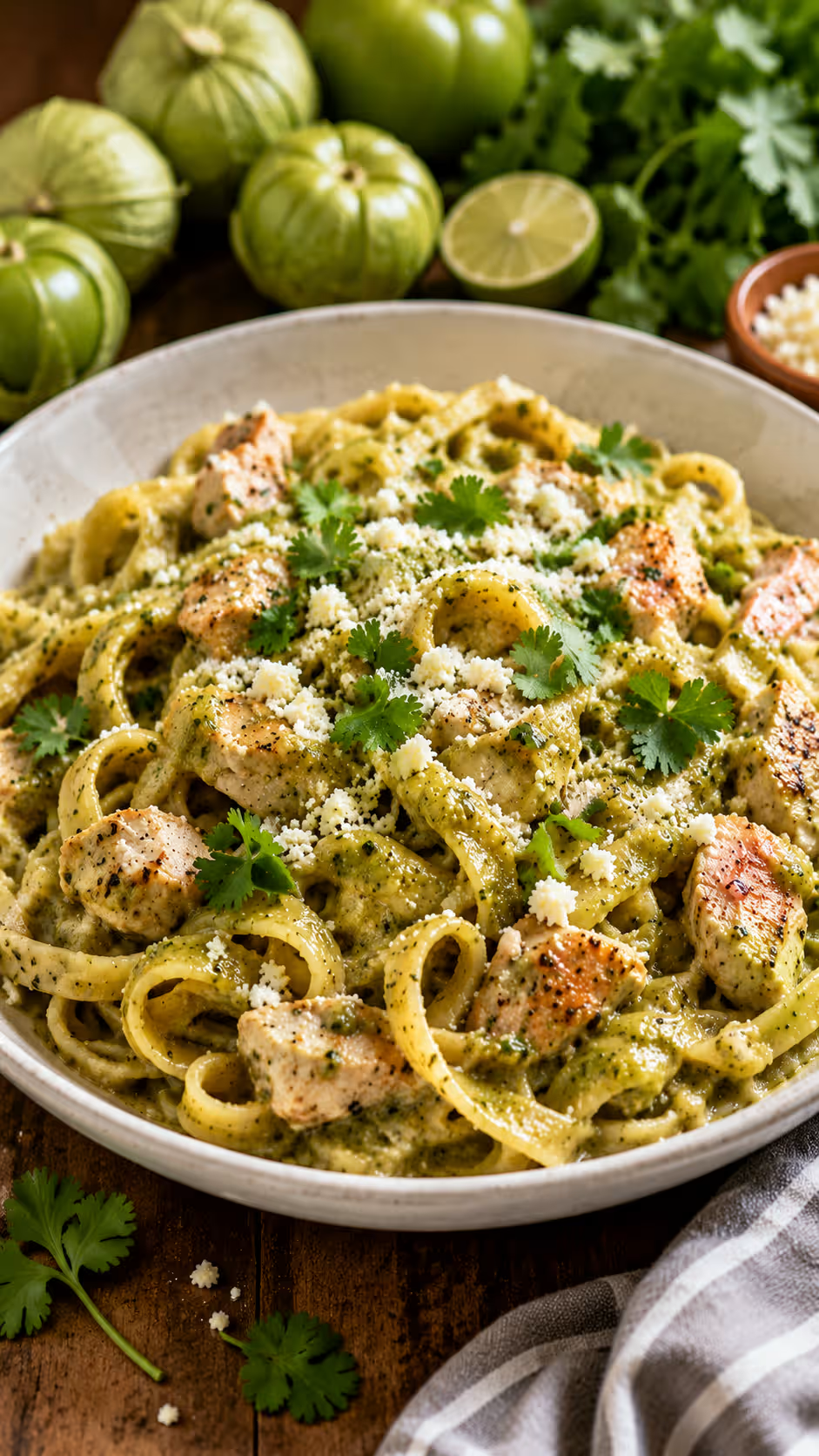
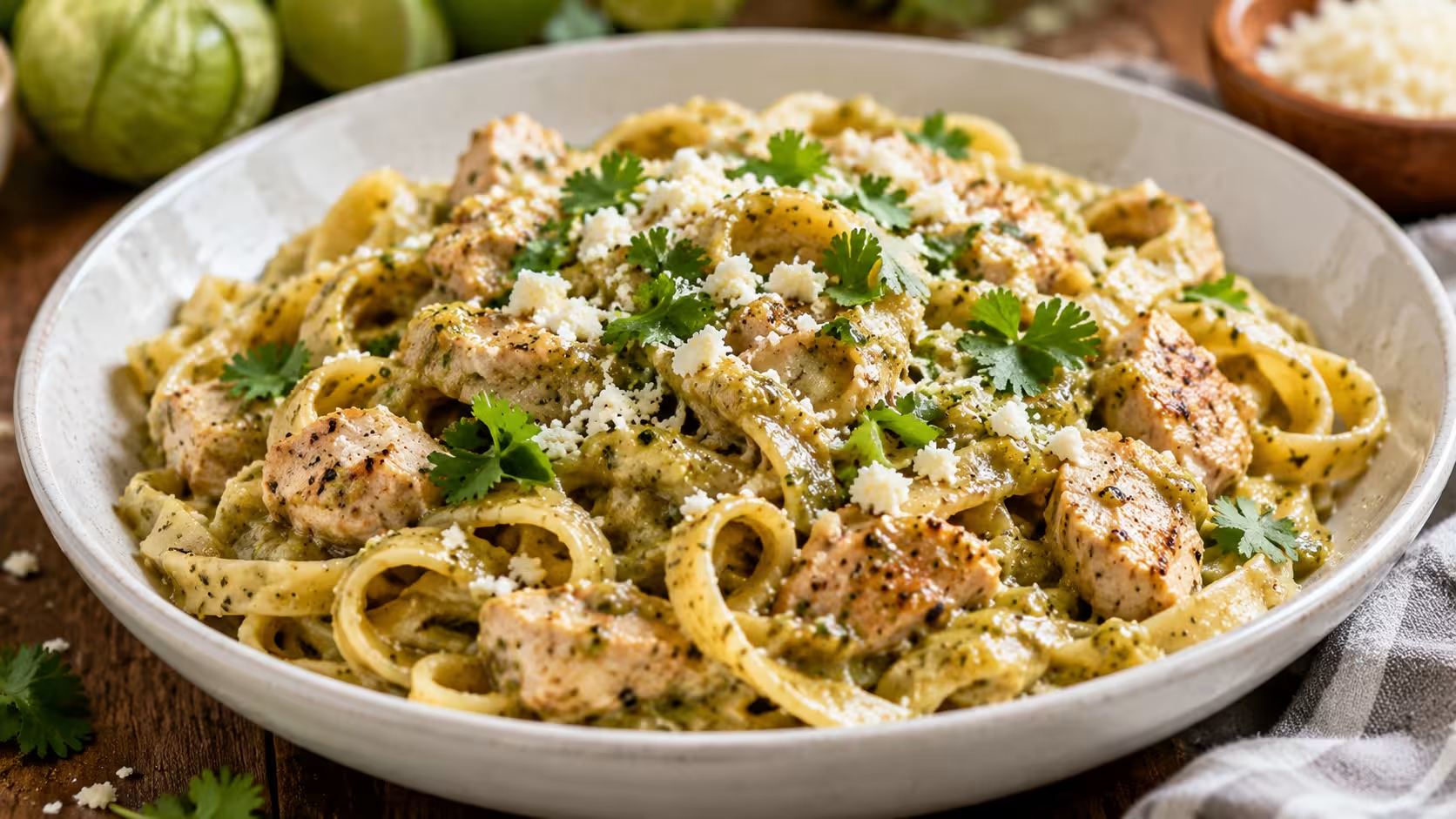
Tomatillo chicken pasta is seared chicken breast and cooked pasta finished in a blended roasted tomatillo sauce made with garlic, jalapeño, onion, lime, and cilantro.
The tomatillo does the structural work here its natural pectin thickens the sauce as it reduces, and its acidity cuts through the fat in the chicken and any cream you add, keeping the dish bright rather than heavy.
Whether you are searching for a tomatillo pasta recipe that actually has some backbone to it, or a green chicken pasta that goes beyond the usual tomato-sauce routine, this is a dish worth knowing. You get one sauce that handles everything: seasoning, body, and color.
I have made it enough times to stop measuring the lime juice. If you are new to cooking with tomatillos, What Is a Tomatillo covers everything you need to know before you start.
| Serves | 4 |
| Prep Time | 15 minutes |
| Cook Time | 45 minutes |
| Total Time | 1 hour |
| Skill | Easy |
| Cost | Budget |
Table of Contents
What Is Tomatillo Chicken Pasta?
Tomatillo chicken pasta belongs to a category of Mexican-influenced weeknight cooking that uses a cooked green sauce salsa verde as both the braising liquid and the final sauce. The dish is not traditional in the sense of having a single regional origin. It sits at the intersection of Mexican home cooking technique (roasting tomatillos, blending with aromatics, reducing into a sauce) and the American habit of finishing pasta in a skillet sauce.
What makes it distinct from a standard pasta al pomodoro or a cream-sauce pasta is the tomatillo: the fruit contributes a tartness that no tomato or cream alone replicates, and its natural body from the pectin and the sugars concentrated by roasting gives the sauce a structure that holds onto the pasta.
Within the tomatillo recipe family, this dish sits adjacent to tomatillo chicken soup and tomatillo chicken tacos but differs in one key way: here, the sauce is cooked down intentionally to coat pasta rather than remaining loose as a broth or a salsa. The technique is sauce-forward. The pasta is a vehicle, not the point.
If someone comes to this page looking for chicken in tomatillo sauce but wants a plate rather than a bowl, this is what they are looking for. If the search was for a Mexican green pasta, the answer is the same dish the tomatillo sauce is the reason it is green, not spinach or pesto.
Dishes built on a cooked tomatillo sauce belong to a wider family of Mexican green braising sauces the same logic that drives chile verde, pollo en salsa verde, and enchiladas verdes. The technique is consistent: roast the tomatillos, blend with aromatics, reduce with protein. The format pasta, rice, tortillas, bowl changes. The sauce method does not. Understanding the sauce is more useful than any single recipe.

Tomatillo Chicken Pasta
Ingredients
Equipment
Instructions
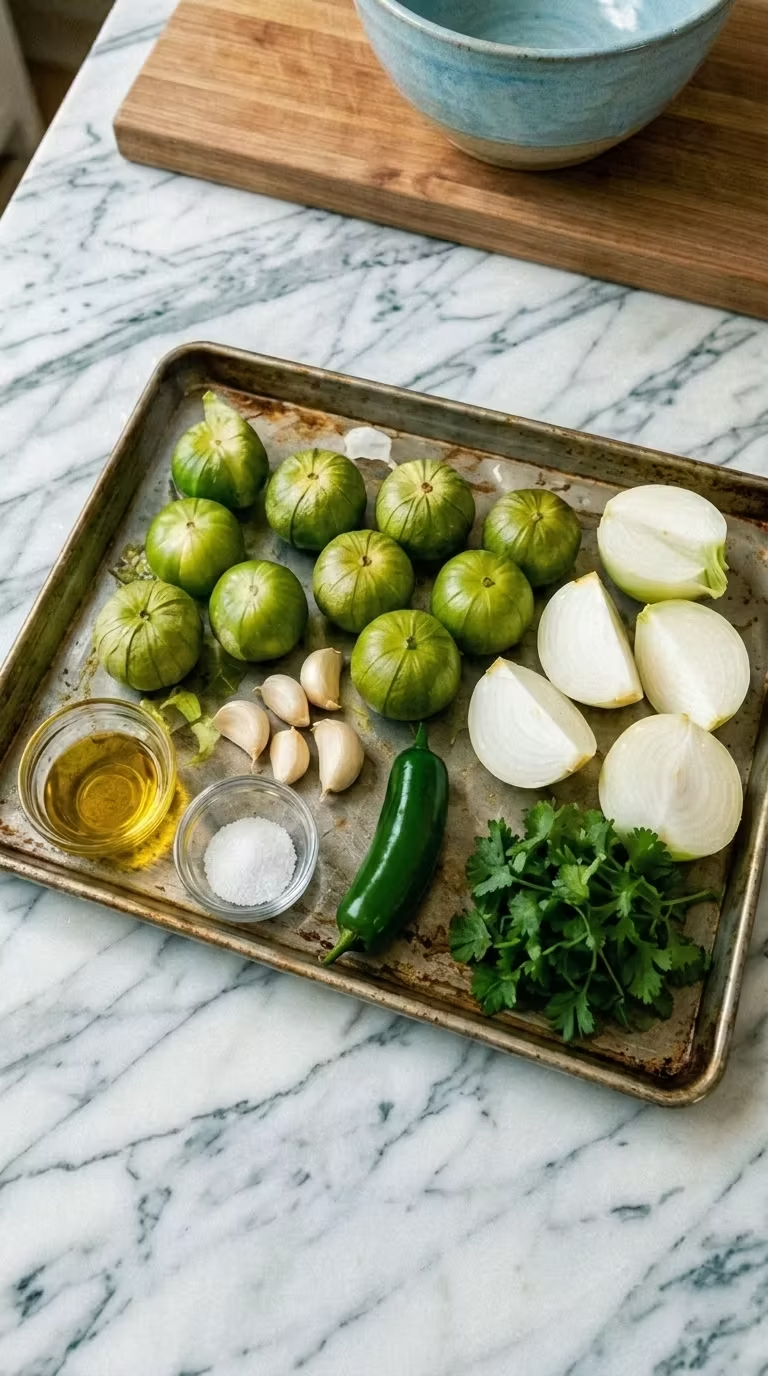
- Roast the sauce vegetables. Preheat the oven to 400°F (200°C). Place the tomatillos, garlic cloves, quartered onion, and jalapeño on a rimmed baking sheet. Drizzle with 1 tablespoon of olive oil and toss to coat. Roast for 20 to 25 minutes, until the tomatillos collapse and shift from bright green to muted army green with some char at the edges.
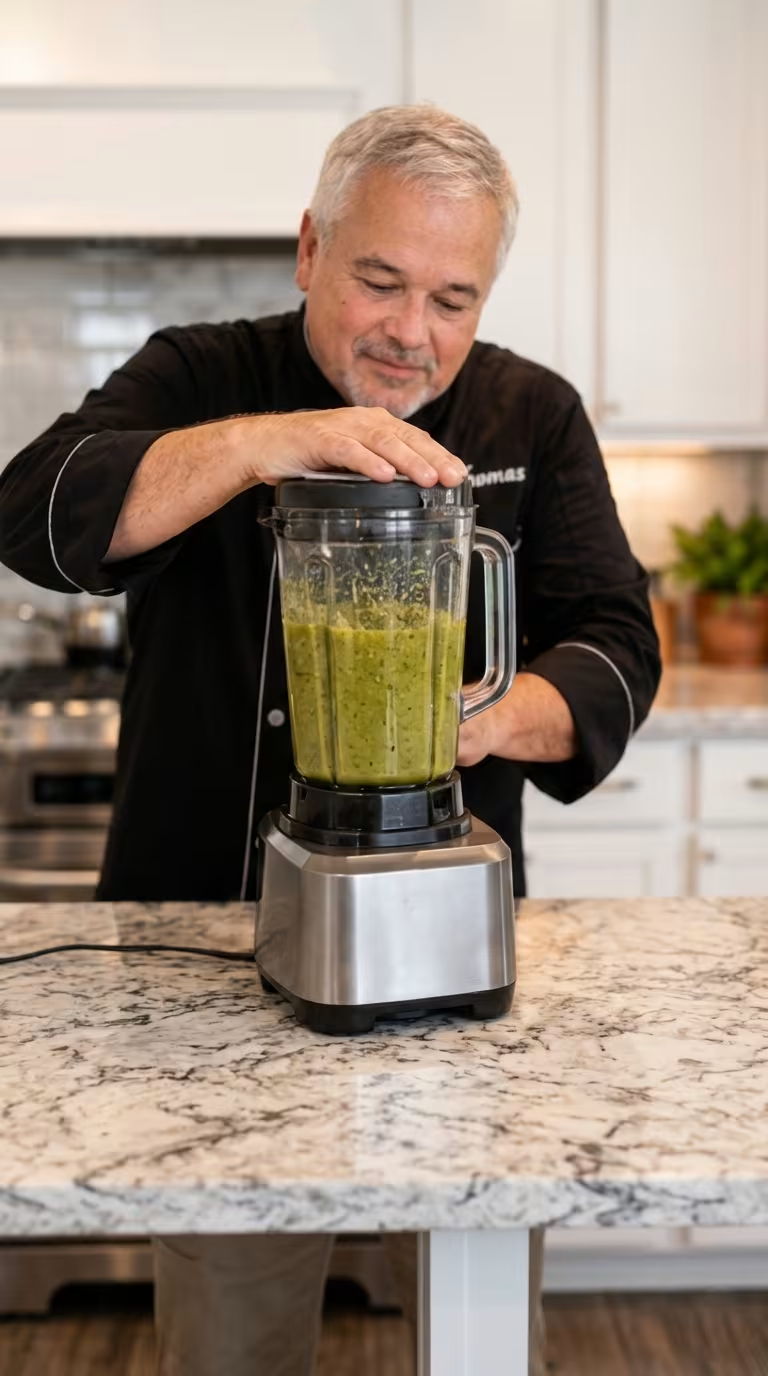
- Blend the tomatillo sauce. Transfer the roasted vegetables and all pan juices to a blender. Add the fresh cilantro, lime juice, salt, and black pepper. Blend on high for 30 to 45 seconds until smooth. The sauce should coat the back of a spoon. If it is thicker than heavy cream, add a splash of chicken stock before proceeding.

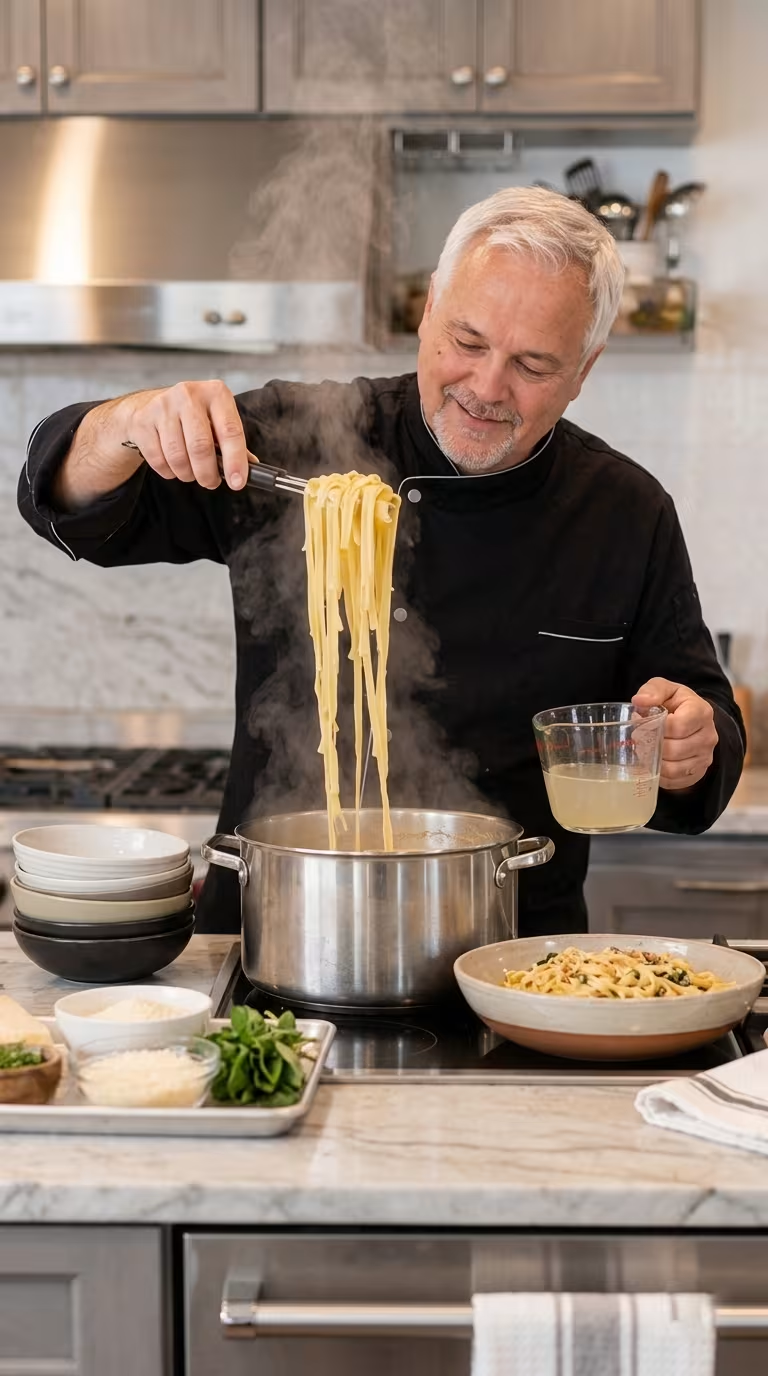
- Cook the pasta. Bring a large pot of well-salted water to a boil. Cook the pasta 1 minute under the package-directed time. Reserve ½ cup (120ml) pasta water before draining. Drain and set aside.
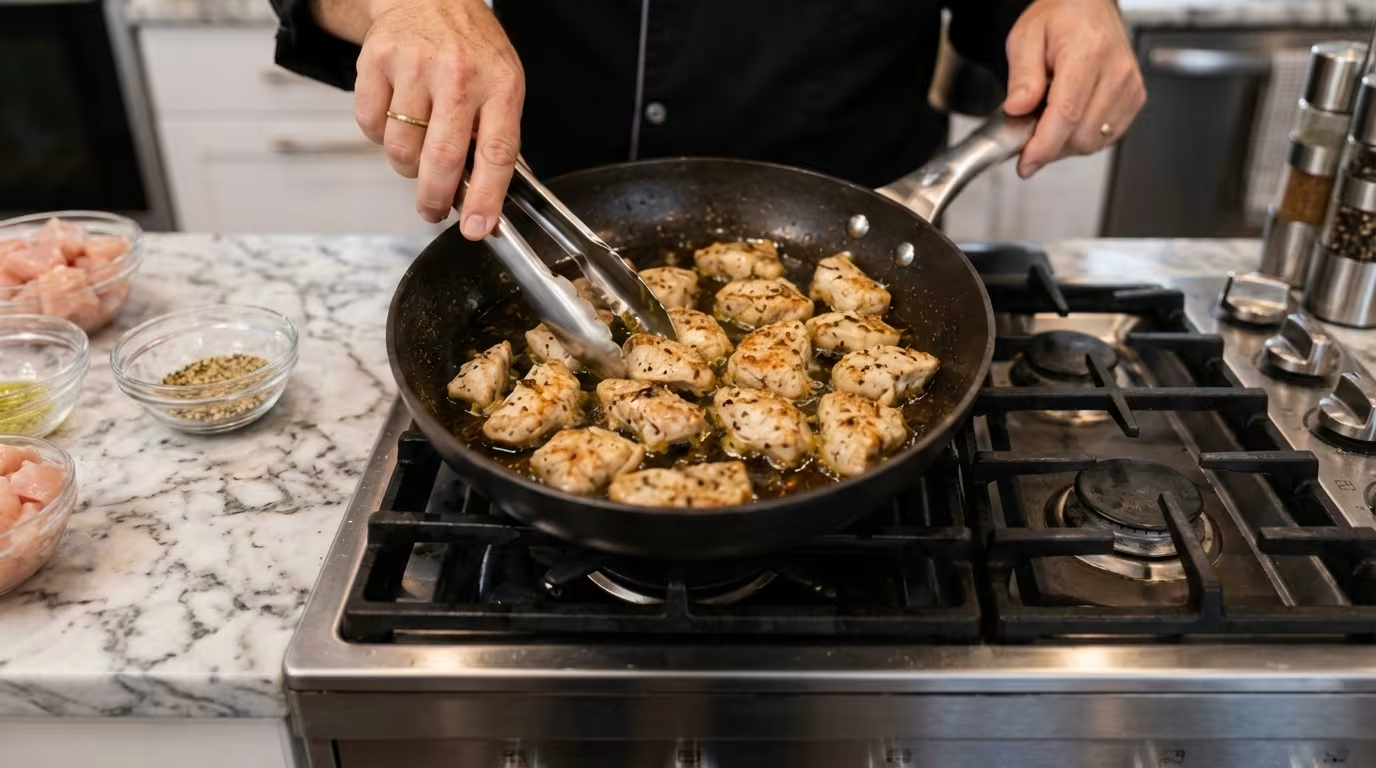
- Sear the chicken. Heat the remaining 1 tablespoon of olive oil in a large skillet over medium-high heat. Season the chicken pieces with salt and black pepper. Add in a single layer and cook without moving for 2 minutes, then flip and cook another 2 minutes. Cook to an internal temperature of 165°F (74°C) at the thickest piece. Remove to a plate.

- Build the dish. Return the skillet to medium heat. Pour in the blended tomatillo sauce and cook for 1 minute, stirring. Add the chicken back in, then add the drained pasta. Toss to coat, adding pasta water a few tablespoons at a time if the sauce is too thick. Cook for 2 to 3 minutes until the pasta is glazed with sauce and no standing liquid remains at the bottom of the pan.
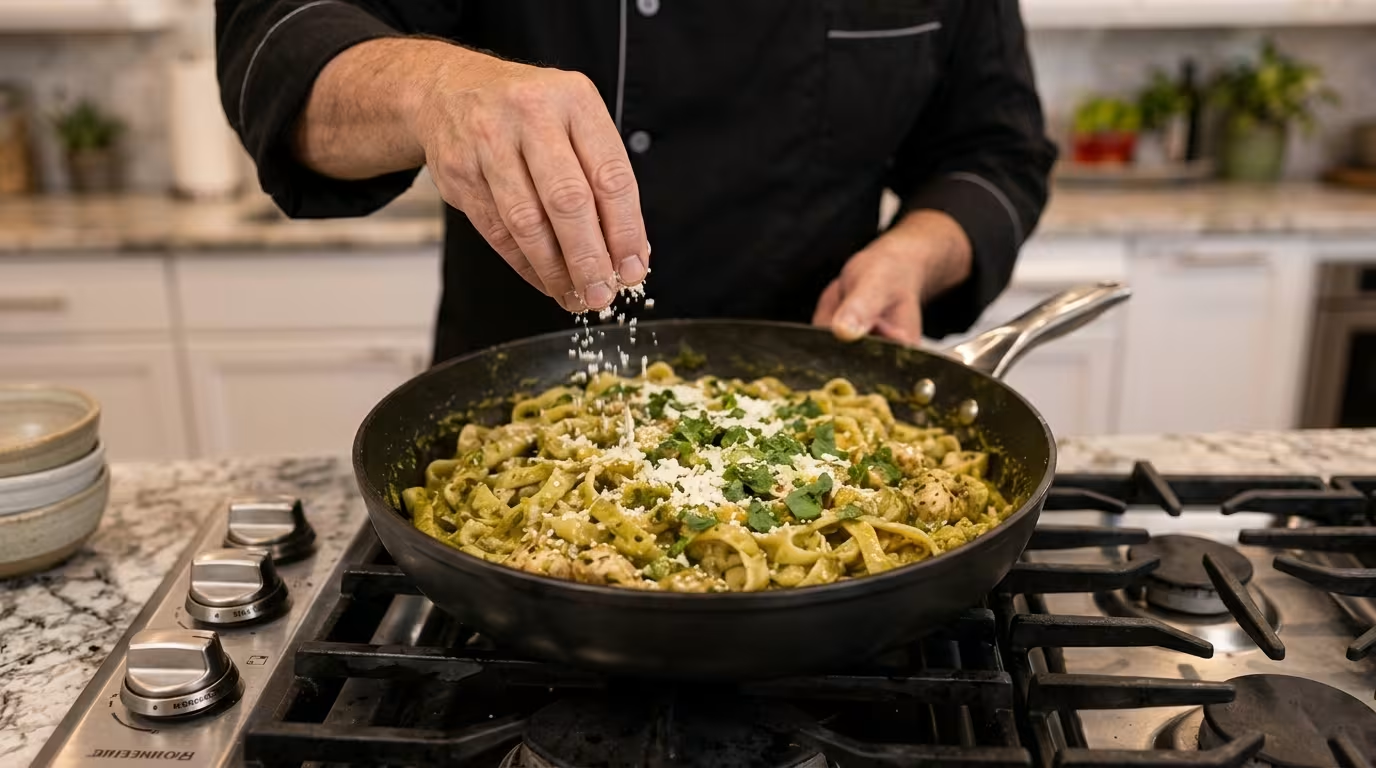
- Serve. Divide into bowls and top with grated Cotija or Parmesan and a scattering of fresh cilantro. Serve immediately.
Notes
The Tomatillo’s Role in Tomatillo Chicken Pasta
Raw tomatillos carry a pH of approximately 3.8 sharp, almost aggressive tartness with a grassy bitterness underneath. When exposed to oven heat at 400°F (200°C), two things happen. First, the acidity softens as the organic acids partially break down, pushing the effective pH closer to 4.4 to 4.6.
Second, the natural sugars in the fruit begin to caramelize and concentrate as moisture evaporates the flesh collapses, the color shifts from bright lime green to a muted army green, and the flavor moves from sharp-and-raw toward sweet-and-smoky with a residual tartness.
That color shift is the doneness signal: bright green means undercooked; army green with some char at the edges means the roasting is complete. In this dish, that transformation is the difference between a sauce that fights the pasta and one that integrates with it.
The tomatillo’s acid interacts with the chicken protein in a specific way during the finishing step. When the blended tomatillo sauce makes contact with seared chicken in a hot skillet, the acidity begins a mild surface denaturation on the outer layer of the protein not enough to cook it further, but enough to keep the exterior from seizing and toughening.
This is why you add the sauce to already-cooked chicken rather than cooking raw chicken in the sauce: you want the sauce to cling and glaze, not simmer and tighten. The tomatillo also contributes pectin a natural thickening agent in its cell walls that, combined with the reduction from two to three minutes of skillet time, builds the sauce body without cream or flour.
What tomatillo does that a tomato cannot is deliver acidity and body simultaneously at a lower sweetness level. A tomato sauce turns sweet under heat. Tomatillo does not. That is what keeps this dish tasting like something with some edge.
On the question of canned versus fresh: I use fresh tomatillos for this dish because the roasting step is where the sauce builds its depth, and canned tomatillos which are already cooked and packed in liquid cannot replicate the char and concentrated sweetness that the oven produces.
You can use canned in a pinch and the dish will still work, but the sauce will be thinner, the color lighter, and the smoky background note will be absent. When fresh tomatillos are unavailable, jarred salsa verde is a closer substitute than canned tomatillos, because at least the flavor profile is already built.
But fresh, roasted, is the version worth making.
Ingredients
| Ingredient | Amount |
|---|---|
| Fresh tomatillos, husks removed | 1 lb (450g) |
| Garlic cloves | 4 |
| Small white onion, quartered | 1 |
| Jalapeño, seeded | 1 |
| Olive oil | 2 tbsp (30ml) |
| Chicken breast, cut into bite-sized pieces | 1 lb (450g) |
| Dried pasta (penne or fettuccine) | 8 oz (225g) |
| Fresh cilantro | ½ cup (15g) |
| Lime juice | 1 tbsp (15ml) |
| Salt and black pepper | to taste |
| Chicken stock | ¼ cup (60ml), for thinning if needed |
| Grated Parmesan or Cotija cheese | for serving |
Ingredient Notes
Tomatillos: Fresh is the right call here. When roasted, tomatillos develop a char and a concentrated, smoky sweetness that canned tomatillos already heat-processed and packed in liquid cannot produce. A good fresh tomatillo should feel firm under its papery husk with no soft spots, and the husk should fit snugly.
Loose or dried-out husks on a soft fruit mean it is past its prime. Skip the roasting step and your sauce will be thin and aggressively tart the heat is what mellows the acidity and builds the body. If fresh is unavailable, use jarred salsa verde over canned whole tomatillos, since the flavor development is closer to what roasting achieves.
Chicken breast: Boneless, skinless breast cut into one-inch pieces cooks quickly and takes the tomatillo glaze well. The tradeoff is that breast is less forgiving than thigh overcooked, it turns dry in minutes.
Thigh is more tolerant and will stay moist even if the timing slips by a few minutes, so if you are new to this dish, thigh is the better call. I use breast when I want the sauce to be the main event and a slightly cleaner plate.
Pasta shape: Penne, rigatoni, or fettuccine work best here. The sauce is loose enough to coat long pasta but also clings well to the ridges of a tube shape. Avoid thin pasta like spaghetti or angel hair the sauce is too thick for those cuts and will clump.
Jalapeño: One seeded jalapeño gives warmth without making the dish overtly spicy. If you want more heat, leave some seeds in. If you are cooking for a group with mixed heat tolerance, roast the jalapeño whole and blend it unseeded, then taste and adjust.
Cilantro: Added raw to the blender after roasting, not cooked. Cooking cilantro kills the fresh herbal brightness that lifts the tomatillo sauce. Add it at the blending stage and use the full half cup.
How to Make Tomatillo Chicken Pasta
The method has a sequence that matters: roast the vegetables first, build the sauce second, cook the chicken separately, then bring everything together. Doing it in that order means each component develops its own character before it meets the others.
Step 1: Roast the Tomatillo Sauce Vegetables
Preheat the oven to 400°F (200°C). Place the tomatillos, garlic cloves, quartered onion, and jalapeño on a rimmed baking sheet. Drizzle with one tablespoon of olive oil and toss to coat. Roast for 20 to 25 minutes.
Why it matters: The roasting drives off surface moisture and concentrates the tomatillos’ natural sugars this is where the sauce gets its sweetness, its smoke, and its body. The garlic caramelizes and loses its raw sharpness, which keeps it from dominating the sauce. The onion softens and sweetens. Without this step, blending raw vegetables produces a thin, aggressively tart sauce that has no sauce structure.
What goes wrong: If you pull the pan too early, the tomatillos are still carrying their raw acidity and the blended sauce will be sharp and watery.
What you are looking for: The tomatillos should collapse and deflate, shifting from bright green to a muted army green with some charred spots on the skin. The onion edges will be golden. That is done.
Step 2: Blend the Tomatillo Sauce
Transfer the roasted vegetables and any juices from the baking sheet into a blender. Add the fresh cilantro, lime juice, a pinch of salt, and black pepper. Blend on high until smooth, 30 to 45 seconds.
Why it matters: The high-speed blend homogenizes the tomatillo pectin with the roasted juices, which is what creates the sauce’s body. Under-blending leaves a chunky sauce that does not coat pasta evenly. The cilantro must go in raw and last so its volatile aromatic compounds are not destroyed by the heat of the roasted vegetables.
What goes wrong: If you blend too briefly, the sauce will be textured rather than smooth, and the pectin will not fully emulsify into the liquid.
What you are looking for: The sauce should be a uniform, medium-viscosity green thick enough to coat the back of a spoon, loose enough to pour. If it is thicker than heavy cream, add a splash of the chicken stock before proceeding.
Step 3: Cook the Pasta
Bring a large pot of well-salted water to a boil. Cook the pasta according to package instructions, stopping one minute before al dente. Reserve ½ cup (120ml) of pasta water before draining. Drain and set aside.
Why it matters: Pulling the pasta one minute early means it finishes cooking in the sauce in Step 5, which allows it to absorb the tomatillo flavor from the outside in. Pasta cooked to full doneness before hitting the sauce will be overcooked by serving.
What goes wrong: Skipping the pasta water means you have no rescue liquid if the sauce tightens too much in the skillet.
Observable cue: The pasta should have a visible white core when you bite through it. Slightly underdone is correct here.
Step 4: Sear the Chicken
While the pasta cooks, heat the remaining tablespoon of olive oil in a large skillet over medium-high heat. Season the chicken pieces with salt and black pepper. Add them in a single layer and cook without moving for two minutes, then flip and cook another two minutes. The target internal temperature is 165°F (74°C) measured at the thickest piece. Remove the chicken to a plate.
Why it matters: Searing in a single layer allows Maillard browning the caramelization of surface proteins and sugars that creates the golden crust and savory depth. Crowding the pan drops the surface temperature and produces steam, which poaches rather than sears. The exterior texture from searing also gives the sauce something to cling to in the next step.
What goes wrong: Crowded pan, no color, steamed texture. Or overcooked pieces from leaving them too long before the flip.
Observable cue: The chicken should release from the pan cleanly when it has developed a proper sear. If it sticks, it is not ready to flip.
Step 5: Build the Tomatillo Pasta Dish
Return the skillet to medium heat. Pour the blended tomatillo sauce into the pan it will sizzle. Let it cook for one minute, stirring. Add the cooked chicken back in. Add the drained pasta and toss to coat, adding pasta water a few tablespoons at a time if the sauce is too thick. Cook for two to three minutes until everything is heated through and the pasta has absorbed some of the sauce.
Why it matters: The two to three minutes of simmering time allows the pasta to finish cooking in the tomatillo sauce and take on its flavor. The pasta starch also mixes with the sauce to add a second layer of body to the final texture.
What goes wrong: Adding all the pasta water at once dilutes the sauce. Add it incrementally and stop when the consistency coats the pasta without pooling.
Observable cue: The pasta should be lightly glazed with the green sauce, with no standing liquid at the bottom of the pan. The color should be a uniform muted green.
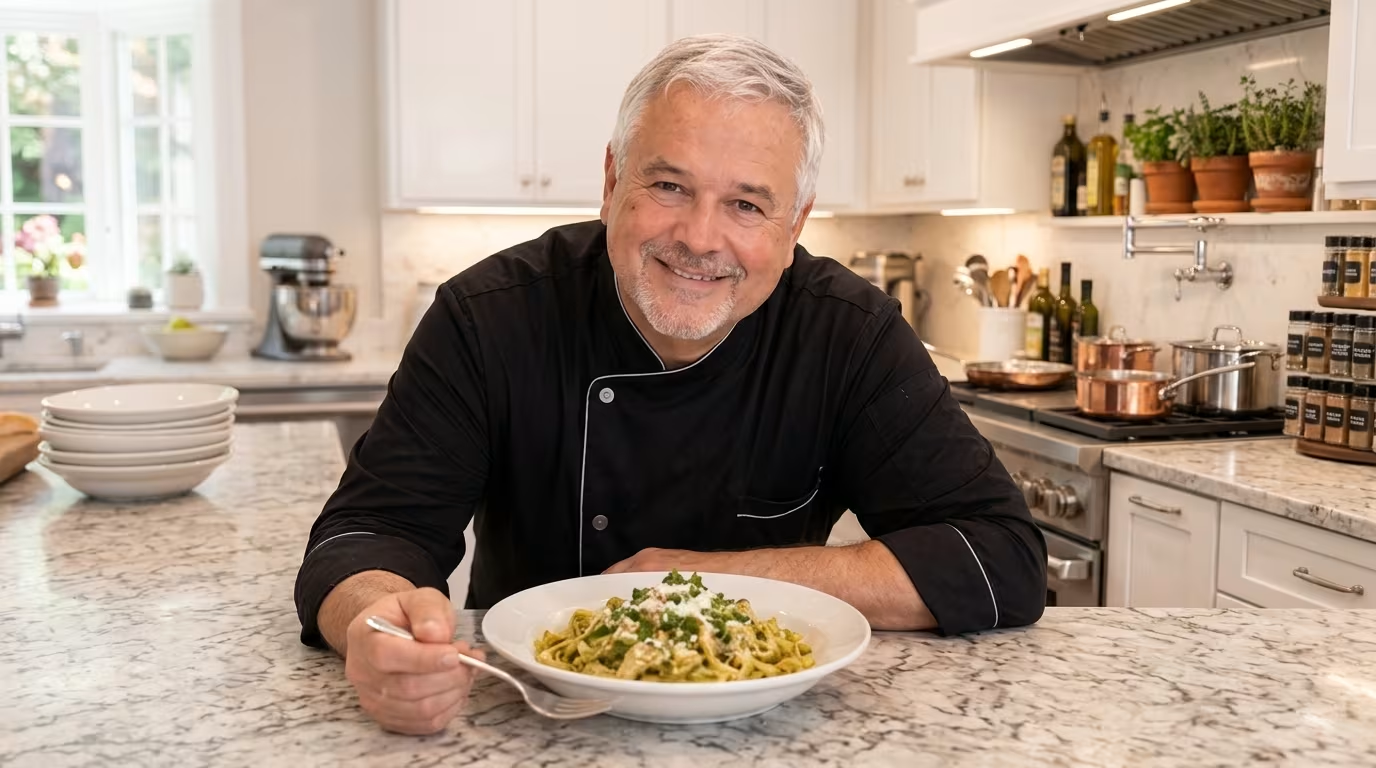
Serve immediately with grated Parmesan or Cotija and a scattering of fresh cilantro.
The sauce is done. The pasta is coated. That is the whole dish. Everything below is the supporting information variations, fixes, storage, and the questions I get asked most often about this one. The tomatillo carries all of it.
Slow Cooker Variation
A slow cooker version of this dish works, with one important adjustment: you still need to roast the tomatillos first. Skipping that step in a slow cooker context produces a sauce that is thin, pale, and lacking depth because there is no dry heat to concentrate the sugars and develop the char.
Roast as described in Step 1, blend the sauce, then add the raw chicken breast pieces and the sauce to the slow cooker. Cook on low for 3 to 4 hours. Shred or slice the cooked chicken, stir in the cooked pasta, and serve.
What you gain: almost no hands-on time after the roasting step. What you lose: the Maillard crust on the chicken, since low-and-slow poaching in the sauce does not produce the seared exterior. For a crowd or a make-ahead weeknight, the slow cooker version is practical.
For the best texture, the skillet method wins.
For a different angle on slow-cooked tomatillo chicken, Slow Cooker Tomatillo Chicken uses the same sauce base without the pasta.
Chef Tips for the Best Tomatillo Chicken Pasta
Tomatillo-based pasta dishes and tomatillo-based tacos, soups, and braises are all drawing from the same sauce logic. The roasted tomatillo sauce you make for this recipe is the same sauce that drives tomatillo chicken soup, tomatillo chicken tacos, and tomatillo chicken casserole. The ratios shift slightly depending on the dish, but once you can make this sauce, you can make all of them.
Variations and Substitutions
Tomatillo Substitutions
Fresh vs canned tomatillos: Canned tomatillos produce a usable sauce but a noticeably thinner one. The roasting step cannot be replicated by canned product, so the smoky sweetness is absent and the sauce body is weaker. Add a teaspoon of olive oil to the blended canned sauce and reduce it in the skillet for an extra two minutes before adding the chicken to compensate.
Jarred salsa verde: The closest substitute for roasted fresh tomatillos in this dish. Use ¾ cup of good jarred salsa verde in place of the homemade sauce. Taste it first some jarred versions are already well-seasoned and may not need added salt or lime. The flavor will be slightly more processed, but the texture and color will be closer to the fresh-roasted version than canned tomatillos.
Green enchilada sauce: Produces a milder, less acidic dish. Green enchilada sauce is typically blended with more broth and has less tomatillo intensity per cup. It works but the dish loses some of its brightness. Add extra lime juice to compensate.
When I want a different take on the tomatillo sauce itself, Fresh vs Canned Tomatillos breaks down when each is the right call.
Protein Substitutions
Chicken thighs (boneless): More forgiving than breast. Same method, same timing. The sauce becomes slightly richer because thigh fat renders into it during the skillet step.
Shrimp: Reduce the sear time to one to two minutes per side. Shrimp overcooks fast and does not need the same internal temperature as chicken. The tomatillo acid works well with shrimp the contrast is clean.
Pork tenderloin: Slice thin, sear as with the chicken breast, and confirm an internal temperature of 145°F (63°C). Pork and tomatillo is a traditional pairing in Mexican cooking. The flavor is excellent here.
Chickpeas (vegetarian): Drain and rinse one can, add directly to the tomatillo sauce in Step 5. No searing needed. The dish becomes lighter and the tomatillo flavor is more prominent. For a similar approach, Roasted Tomatillos Chickpea Curry uses a similar logic with a different spice profile.
Spice Level Adjustments
Mild: Remove all seeds and white pith from the jalapeño before roasting. Or substitute a poblano pepper, which has almost no heat but a similar green flavor that complements tomatillo.
Medium (as written): One seeded jalapeño.
Hot: Leave the seeds in the jalapeño, or add a serrano in addition to the jalapeño. The tomatillo sauce can handle the heat its acidity actually brightens rather than dampens spice.
Dietary Adaptations
Gluten-free: Substitute any certified gluten-free pasta. The tomatillo sauce contains no gluten. Everything else in the recipe is naturally gluten-free.
Dairy-free: Skip the cheese garnish or use a dairy-free Parmesan alternative. The sauce itself contains no dairy.
Low-carb: Skip the pasta and serve the tomatillo chicken over cauliflower rice or steamed greens. The sauce is the same; only the starch vehicle changes.
Troubleshooting
The tomatillo sauce is too thin or watery
Problem: The blended sauce pours like water and does not coat the pasta.
Cause: The tomatillos were not roasted long enough to drive off their liquid, or canned tomatillos were used without reducing the sauce.
Fix: Pour the sauce into the skillet alone (without chicken or pasta) and reduce over medium-high heat for three to five minutes, stirring frequently, until it thickens to a consistency that coats a spoon.
Prevention: Roast until the tomatillos are fully collapsed and charred at the edges 22 to 25 minutes. Do not pull the pan early.
The sauce is too tart or sour
Problem: The sauce is aggressively acidic and unpleasant, even salty.
Cause: Tomatillos were underroasted, or the wrong ratio of lime juice was used. Some tomatillos are naturally more acidic depending on the season.
Fix: Stir in half a teaspoon of honey or a small pinch of sugar. Add it incrementally and taste after each addition. Or add a tablespoon of cream, which softens acidity without sweetening the sauce.
Prevention: Roast the tomatillos fully. The acid softens with heat. Taste the blended sauce before it goes into the skillet and adjust lime juice to your level.
The sauce is too thick or paste-like
Problem: The blended sauce is dense, barely pourable, and clumps around the pasta instead of coating it evenly.
Cause: Tomatillos lost too much moisture during roasting, or the skillet reduction went too long.
Fix: Whisk in pasta water or chicken stock a tablespoon at a time until the sauce returns to a pourable consistency.
Prevention: Watch the roasting pan during the last five minutes and pull the vegetables before they fully dry out. Reserve pasta water as insurance.
The chicken is dry or overcooked
Problem: The chicken pieces are tough, stringy, or chalky in texture.
Cause: Overcooked in the skillet, or added to the sauce too early and continued cooking while the sauce simmered.
Fix: You cannot reverse overcooked chicken, but adding more sauce and a splash of stock and tossing gently can mask the dryness somewhat.
Prevention: Pull the chicken from the skillet as soon as it reaches 165°F (74°C) and holds there. Add it back to the sauce only in the final 60 seconds of cooking long enough to reheat it, not long enough to cook it further.
The sauce separated or looks greasy
Problem: The sauce has broken, with a layer of oil sitting on top and a watery green liquid underneath.
Cause: The skillet was too hot when the sauce was added, or the sauce was blended while the vegetables were still too hot with oil pooling on top.
Fix: Remove the skillet from heat. Whisk the sauce vigorously while adding a tablespoon of pasta water the starch in the water helps re-emulsify the broken sauce. Return to medium-low heat and stir constantly.
Prevention: Let the blended sauce cool for two minutes before adding it to the hot skillet. Pour it into a skillet at medium rather than medium-high heat and stir immediately.
The pasta is mushy and overcooked
Problem: The pasta has no texture and clumps together in the sauce.
Cause: Pasta was cooked to full doneness before being added to the skillet and then cooked a further two to three minutes in the sauce.
Fix: Nothing recovers overcooked pasta, but rinsing briefly with cold water stops further cooking if you catch it immediately after draining.
Prevention: Pull the pasta one full minute before the package-directed time. It finishes in the sauce.
Storage, Make-Ahead, and Reheating
Refrigerator
Tomatillo chicken pasta keeps well in an airtight container in the refrigerator for up to 3 days. The tomatillo sauce is absorbed further by the pasta as it sits, so the dish will be drier when reheated than when first served. A splash of stock or water when reheating restores it.
Freezer
The tomatillo sauce freezes better than the assembled dish. If you are making this for a future meal, freeze the sauce separately in a sealed container for up to 3 months. Thaw overnight in the refrigerator. The sauce may look slightly separated after thawing whisk it back together over medium heat. If you freeze the fully assembled dish, accept that the pasta texture will soften on reheating.
Tomatillo’s natural acidity acts as a mild preservative in the sauce, which is one reason this dish holds up in storage better than cream-based pasta sauces. The acid slows bacterial activity at refrigerator temperature and keeps the sauce’s flavor relatively stable over three days. This is not unique to this dish it is a property of any cooked tomatillo sauce.
Reheating
Oven: Place in an oven-safe dish covered with foil at 325°F (160°C) for 15 to 20 minutes. Add two tablespoons of chicken stock or water before covering to prevent drying.
Microwave: Cover loosely (not sealed) to trap steam without causing pressure buildup. Reheat in 90-second intervals, stirring between each, until heated through. Add a splash of water or stock before starting.
Make-Ahead
The tomatillo sauce can be made up to 3 days in advance and refrigerated, or frozen for up to 3 months. Making the sauce ahead actually improves the final dish slightly the roasted and blended flavors meld overnight in the refrigerator. Day-of, cook the chicken and pasta fresh and finish the dish in the skillet as directed. This is the right approach for entertaining: all the real work done the day before, the final dish ready in 15 minutes.
Estimated Nutrition Per Serving
| Nutrient | Amount per Serving |
|---|---|
| Calories | ~440 |
| Protein | ~35g |
| Carbohydrates | ~50g |
| Fat | ~10g |
| Saturated Fat | ~2g |
| Sodium | ~420mg |
| Fiber | ~4g |
Estimates only. Values vary with tomatillo preparation method, protein cut, pasta shape, and additional ingredients used.
Frequently Asked Questions
Can I use canned tomatillos instead of fresh?
Yes, with a trade-off. Canned tomatillos are already cooked and packed in liquid, so they cannot develop the roasted char and concentrated sweetness that the oven step produces in fresh tomatillos. The sauce will be thinner and lighter in flavor. To compensate, drain the canned tomatillos and reduce the blended sauce in the skillet for an extra two to three minutes before adding the chicken. Jarred salsa verde is a closer substitute for flavor than plain canned tomatillos.
Can I make this as a green chicken pasta without tomatillos?
You can, but the dish changes fundamentally. Tomatillo is what gives the sauce its structure and its acidity without it, a green pasta sauce made from basil, spinach, or jalapeño alone will be thinner and less complex. Jarred salsa verde is the closest substitution. A homemade poblano-cilantro sauce is another option. Neither is the same dish.
What does tomatillo taste like in this pasta?
In this dish, cooked tomatillo tastes tangy and mildly smoky, with a background sweetness that develops during roasting. It reads as bright and savory rather than fruity not sour like lemon, but with a clean acidity that is similar to a mild green hot sauce without the vinegar. The cilantro and lime sharpen it further. By the time the sauce has simmered with the chicken and pasta, the tartness is balanced, not aggressive.
Is this dish spicy?
With one seeded jalapeño, the heat level is mild to medium noticeable warmth at the back of the palate but not enough to make most people uncomfortable. Children and heat-sensitive eaters may want the jalapeño swapped for a roasted poblano. For more heat, leave seeds in the jalapeño or add a serrano to the roasting pan.
Can I make this ahead of time?
The sauce, yes up to 3 days refrigerated or 3 months frozen. The assembled dish is better made fresh or the day before at the earliest. Pasta absorbs the sauce as it sits, so same-day or next-day is ideal for texture. For serving a crowd, make the sauce ahead and cook the chicken and pasta the day of.
What should I serve with tomatillo chicken pasta?
A few things work well: warm flour tortillas on the side if you want to lean into the Mexican-American angle, a simple shredded cabbage slaw dressed with lime, or a green salad with avocado. For a fuller spread, Tomatillo Salsa Verde made ahead serves as a table condiment that extends the same flavor profile.
Can I use a different pasta shape?
Yes. Penne and rigatoni hold the sauce in their ridges and hollow centers. Fettuccine gives you more sauce surface area per bite. Avoid thin long pasta like spaghetti or angel hair the sauce is too thick for those cuts and they tangle. Medium shapes are the practical choice.
Does this work with rotisserie chicken?
It does, and it cuts the prep time significantly. Skip the searing step entirely. Add the pulled rotisserie chicken to the tomatillo sauce in Step 5 and heat through for two minutes before adding the pasta. The dish loses the Maillard crust but gains in speed. Worth doing on a weeknight when time is short.
A Few Final Notes
Roast the tomatillos. The rest is straightforward.
That one step determines whether the sauce has depth or not. Everything else in this recipe the blending, the searing, the skillet finish is technique that any cook can follow. But the oven step is where the dish is decided. I have tried shortcuts and they show in the final plate.
When you want a different direction with the same tomatillo sauce base, Tomatillo Chicken Tacos with Salsa Verde uses it differently and comes together quickly. For something that requires less active cooking, Tomatillo Ranch Chicken is worth having in the same week.