
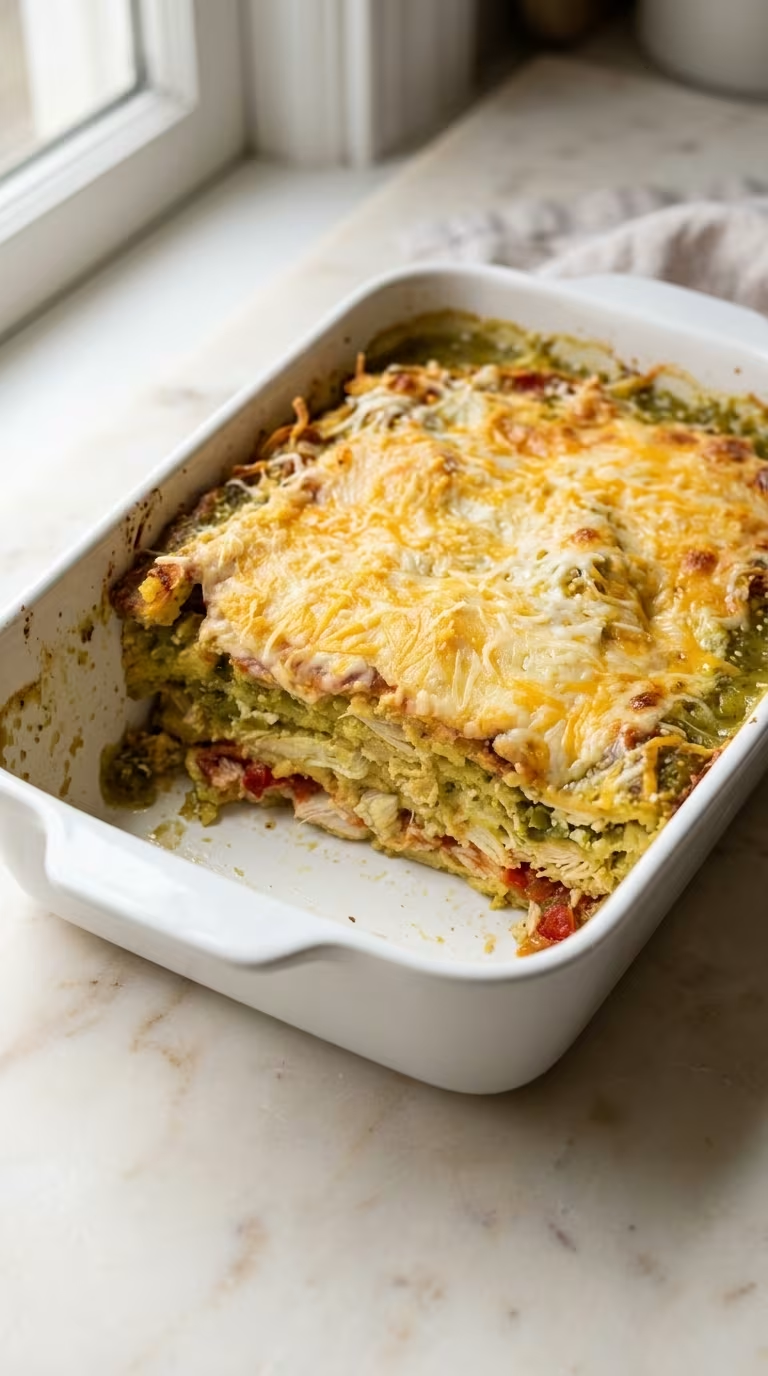
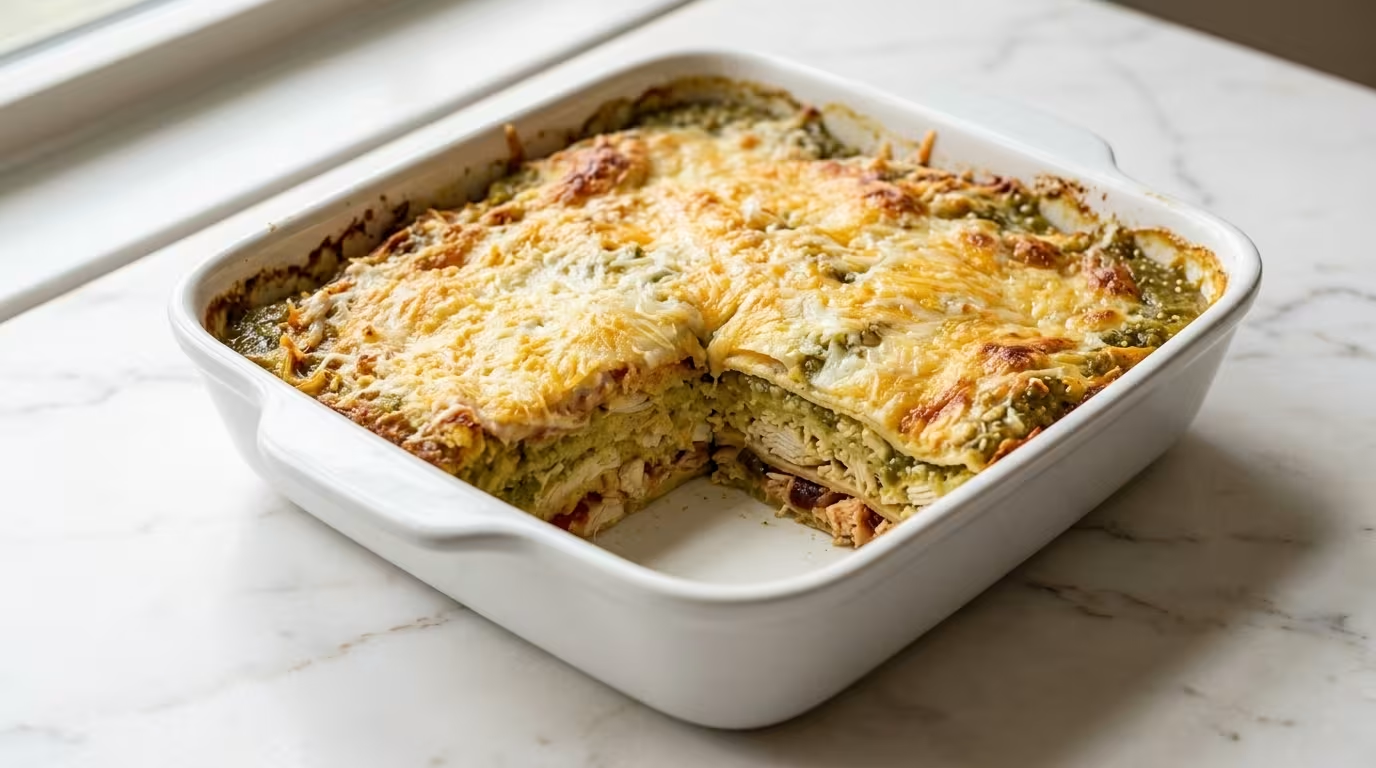
Tomatillo chicken casserole is a layered, oven-baked dish built from corn tortillas, shredded chicken, and a roasted tomatillo sauce that acts as both the flavor base and the structural binder of every layer.
The tomatillo is not seasoning here. It becomes the sauce. After roasting, its pH rises from approximately 3.8 toward 4.5, its sharp acidity converts to a mellow sweetness, and its natural pectin disperses through the blended liquid to produce a sauce body that holds together through an hour of baking. No thickener required.
Whether you found this searching for a tomatillo chicken bake, a green enchilada casserole recipe, or just a layered Mexican chicken dinner your family will actually eat the method is the same and it is not complicated.
The prep runs about 40 minutes. The overnight rest does the rest of the work. I have made versions of this for years and the rest is the one step I never shorten the tomatillo acid needs contact time to penetrate the tortilla layers, and a same-day bake cannot replicate what 8 hours in the refrigerator produces.
If you are new to tomatillos, What Is a Tomatillo covers everything you need to know before starting.
| Prep Time | 40 minutes |
| Refrigerator Rest | 6 to 8 hours |
| Cook Time | 1 hour |
| Total Time | 9 hours 40 minutes |
| Skill | Easy |
| Cost | Budget (~$12–15) |
Table of Contents
What Is Tomatillo Chicken Casserole?
Tomatillo chicken casserole belongs to the layered baked preparations of Mexican home cooking a tradition of stacked tortilla dishes that use tomatillo-based sauce the way other cuisines use béchamel. The construction is distinct from enchiladas (rolled, sauced) and from chile verde (a braise with no tortillas). Here, tortillas tile flat between layers of chicken and sauce. The dish compresses during the overnight rest, slices cleanly after baking, and serves eight from a 2-quart dish.
Within Mexican culinary tradition, this type of layered preparation is sometimes called a cazuela de tortillas or informally compared to a pastel azteca a stacked tortilla cake common in central Mexico. What distinguishes this version from a green enchilada casserole is the overnight cold rest, which the rolled format does not require. What distinguishes it from chile verde is the tortilla structure and the baked finish rather than a stovetop braise.
The tomatillo performs a job in this dish that tomato or canned green enchilada sauce cannot replicate. Tomato produces a sweeter, less herbal sauce without the pectin body of tomatillo. Canned enchilada sauce is already fully processed its acid is neutralized, its pectin broken down, and its flavor profile is cumin-forward rather than tomatillo-forward. This dish depends on the tomatillo’s three simultaneous contributions: moderate residual acid, herbal-resinous character from its husk compounds, and sauce body from intact soluble fiber. All three transfer only from fresh tomatillos that are roasted before blending.
Layered tomatillo preparations like this one belong to a broader family of tomatillo-based baked dishes that appear across Mexican regional cooking under different names. The construction logic sauce on the bottom, tortillas as structure, protein between layers, overnight rest before baking is the same whether the protein is chicken, pork, or turkey. Master the method once and it transfers to any variation.
The Tomatillo’s Role in Tomatillo Chicken Casserole Flavor Science and Sauce Structure
Acid transformation during roasting and what it signals for this dish
A raw tomatillo (Physalis philadelphica) measures approximately pH 3.8 an acidity level that reads as sharp and aggressive in a raw sauce and overwhelms the other flavors in the casserole. When exposed to dry heat above 375°F (190°C) under a broiler, two parallel reactions occur.
First, moisture evaporates from the surface, concentrating the fruit’s soluble solids including its natural fructose and glucose. Second, the volatile organic acids responsible for the sharpest tart notes primarily citric and malic acid partially break down, raising the effective pH toward 4.3 to 4.5. The result is a measurable shift from sharp tartness to a mellow, slightly sweet acid note. In this dish, that shift is what allows the tomatillo sauce to complement the chicken rather than dominate it.
The color change that accompanies roasting is the reliable visual indicator of this transformation. A bright neon-green tomatillo that emerges from the broiler still bright green has not completed the reaction. Once the color shifts to a muted army green and the skin blisters and collapses slightly, the acid has mellowed, the sugars have concentrated, and the sauce will behave correctly.
How tomatillo interacts with the chicken protein and forms sauce body
During the overnight refrigerator rest, the tomatillo acid migrates from the sauce into the surface proteins of the shredded chicken. This acid contact partially denatures the outermost protein fibers a process called surface proteolysis which opens the meat’s structure and allows the tomatillo flavor to penetrate rather than remain as a surface coating. This is why a same-day bake produces chicken that tastes sauced on the outside and plain inside, while an 8-hour rest produces chicken that tastes of tomatillo all the way through.
The sauce body that holds the layers together comes from tomatillo’s soluble pectin. When tomatillo cell walls rupture during blending, pectin disperses into the liquid. Unlike tomato pectin, tomatillo pectin survives the blending process at relatively high concentration sufficient to raise sauce viscosity without added thickener. This is what gives the sauce enough structure to stay between the layers rather than pooling at the bottom of the dish during baking.
Fresh vs. canned tomatillos in this specific recipe and the decision that matters
Canned tomatillos are heat-processed during manufacturing. That processing neutralizes much of their volatile acid and breaks down a significant portion of their pectin before they ever reach your kitchen. When you attempt the roasting step with canned tomatillos, there is insufficient raw sugar and residual moisture to fuel the caramelization and Maillard reactions that produce the sauce’s smoky-sweet depth.
The finished sauce from canned tomatillos is lighter in color, thinner in body, and noticeably milder in flavor. I tested this side by side twice and switched back to fresh immediately the smokiness from the roasted skin of a fresh tomatillo is irreplaceable in the sauce, and that smokiness is what gives this casserole its depth. If fresh are genuinely unavailable, canned is workable; understand that you are building a different and lesser version of the sauce.

Tomatillo Chicken Casserole
Ingredients
Equipment
Instructions
- Heat vegetable oil in a large skillet over medium heat. Add chopped onion, garlic, and chile pepper. Cook, stirring occasionally, until vegetables are tender and onion edges are lightly golden — 8 to 10 minutes.
- Transfer the cooked onion mixture to a blender or food processor. Add the quartered tomatillos, cilantro, cumin, and salt. Blend on high for 30 to 45 seconds until smooth. The sauce should coat the back of a spoon loosely.
- Spray a 2-quart baking dish with non-stick cooking spray. Spread ¾ cup tomatillo sauce across the bottom. Arrange 6 tortilla halves in a flat layer. Top with 1 cup chicken, ½ cup cheese, and half the jarred salsa. Repeat with a second layer of 6 tortilla halves, 1 cup chicken, ½ cup cheese, and half the remaining tomatillo sauce. Add 6 more tortilla halves, remaining chicken, and remaining tomatillo sauce. Finish with the last 6 tortilla halves and remaining salsa. Reserve the final ¾ cup of cheese for after baking.
- Cover the dish tightly with plastic wrap or a fitted lid. Refrigerate for 6 to 8 hours minimum. Do not skip or shorten this step — the tomatillo acid needs full contact time to penetrate the tortilla layers and season the chicken throughout.
- Remove the dish from the refrigerator while the oven preheats to 375°F (190°C). Cover tightly with foil or a lid and bake for 40 minutes. The internal temperature at center should reach 165°F (74°C).
- Remove foil. Spread the remaining ¾ cup of cheese evenly over the top. Bake uncovered for 20 more minutes until cheese is fully melted and edges are bubbling. Rest for 10 minutes before cutting and serving.
Notes
Ingredients
| Ingredient | Amount |
|---|---|
| Fresh tomatillos, husks removed and rinsed | 1 lb (450g) |
| Vegetable oil | 1 tbsp |
| Yellow onion, chopped | ½ cup (75g) |
| Garlic cloves, chopped | 2 |
| Poblano or pasilla chile pepper, seeded and chopped | 1 medium |
| Fresh cilantro, chopped | ¼ cup (10g) |
| Ground cumin | 1 tsp |
| Salt | 1 tbsp |
| Corn tortillas, 6-inch, halved | 12 (24 halves) |
| Cooked chicken breast, shredded | 3 cups (360g) |
| Reduced-fat Mexican-blend cheese, shredded | 1¾ cups (175g), divided |
| Jarred salsa, mild to medium, chunky | 1 jar (16 oz / 450g) |
Ingredient Notes Function, Best Choice, and Substitution Trade-offs
Tomatillos — the central ingredient and the one that cannot be shortcut
Fresh tomatillos are mandatory if you want the sauce to perform correctly. Look for firm fruit where the papery husk fits tightly against the skin a loose, collapsed husk around soft fruit indicates over-maturity and the flavor will be dull. The roasting step is not optional.
Raw tomatillos blended directly produce a sauce with aggressive acidity that does not mellow during baking because the heat and contact time in a casserole oven are insufficient to complete the acid transformation that a high-heat broiler achieves in 15 minutes. If you must use canned, drain thoroughly and add a pinch of sugar to compensate for the absent caramelization. For a direct side-by-side breakdown, Fresh vs. Canned Tomatillos covers the functional trade-offs.
Chicken — protein choice and what it does to the overnight rest
Pre-cooked shredded breast works well here because the overnight acid rest re-moistens the meat regardless of how it was originally cooked. I always use bone-in thighs when I have the time the collagen that releases during the initial braise creates a richer shredded result that holds moisture through the bake in a way that a quickly poached breast cannot. On a weeknight, pulled rotisserie breast is the correct shortcut and the result is excellent.
Poblano or pasilla chile pepper — heat level and flavor contribution
Poblano contributes a mild, grassy bitterness that balances the tomatillo’s sweetness in the sauce. Pasilla runs slightly darker and earthier. Both are mild this is a flavor pepper, not a heat pepper. For no heat at all, a quarter of a green bell pepper replaces it. For more heat, add a seeded jalapeño to the blending step alongside the poblano.
Corn tortillas — structural function and why flour does not substitute
Corn tortillas absorb the tomatillo sauce during the overnight rest and shift from crisp to a tender, set texture. Flour tortillas absorb too much liquid and dissolve into the sauce rather than holding their structure. The halving step is not about portion size halved tortillas tile flat across the baking dish, which ensures even sauce coverage across every layer. Full tortillas overlap unevenly and create dry patches.
Jarred salsa — role separation from the tomatillo sauce
The jarred salsa and the tomatillo sauce do different jobs in this dish. The tomatillo sauce is the primary flavor driver and structural binder. The jarred salsa adds texture contrast and a secondary acid layer from the top. Use chunky salsa a thin pourable salsa releases too much liquid during baking and makes the bottom layers wet.
How to Make Tomatillo Chicken Casserole
The method has a logic to it: build the tomatillo sauce first, layer second, rest overnight third, bake fourth. Each phase depends on the previous one completing correctly. The overnight rest is not optional it is where the dish becomes what it is.
Step 1: Tomatillo Sauce Foundation — Roasting and Building the Aromatic Base
Heat 1 tbsp of vegetable oil in a large skillet over medium heat. Add the chopped onion, garlic, and seeded chile pepper. Cook, stirring occasionally, until the vegetables are tender and the onion edges are lightly golden 8 to 10 minutes. Do not rush this.
The browning at the onion edges is a Maillard reaction between the onion’s amino acids and reducing sugars, producing furans and pyrazines flavor compounds that add depth that a pale, steamed onion cannot provide. The raw allium sharpness that would otherwise survive into the finished sauce breaks down at this temperature. If the onion is pulled while still translucent, the sauce will taste green and underdeveloped regardless of what else is added.
Pulling the pan too early is the most common cause of a flat-tasting tomatillo sauce.
The onion should be golden at the edges and fragrant not browned through, just beginning to color. The garlic should smell nutty rather than sharp.
Step 2: Tomatillo Sauce Construction — Blending for Body and Balance
Quarter the husked, rinsed tomatillos. Transfer the cooked onion mixture to a blender or food processor. Add the quartered tomatillos, cilantro, cumin, and salt. Blend on high for 30 to 45 seconds until smooth.
When the tomatillo’s cell walls rupture under blending force, soluble pectin releases from the cell wall matrix and disperses into the liquid phase. This is the mechanism by which the sauce builds viscosity — the pectin functions as a natural thickener without any additional ingredient. Blending beyond 60 seconds introduces excess air that creates a foamy texture and disrupts the sauce’s body in the final bake.
Blending too briefly leaves chunks that will not distribute evenly between the layers and creates inconsistent sauce coverage.
The finished sauce should coat the back of a spoon loosely. It will look thin at room temperature — it firms and concentrates during baking.
Step 3: Casserole Assembly — Layering for Structural Integrity
Spray a 2-quart baking dish with non-stick cooking spray. Spread ¾ cup of tomatillo sauce across the bottom. Arrange 6 tortilla halves over the sauce in a flat, overlapping layer.
Layer 1: 1 cup shredded chicken / ½ cup cheese / half the jarred salsa. Layer 2: 6 tortilla halves / 1 cup chicken / ½ cup cheese / half the remaining tomatillo sauce. Layer 3: 6 tortilla halves / remaining 1 cup chicken / remaining tomatillo sauce. Top: Last 6 tortilla halves / remaining jarred salsa.
Hold the final ¾ cup of cheese it goes on after the foil comes off during baking.
Every layer needs direct sauce contact above and below the tortillas. A dry layer will still be dry after baking — the overnight rest distributes moisture laterally through absorption but cannot reach a layer that started without sauce.
Inspect each layer before adding the next. Any visibly dry tortilla patch gets a spoonful of tomatillo sauce before the next layer goes on.
The surface should be evenly covered with salsa. Cover the dish tightly with plastic wrap or a fitted lid.
Step 4: Overnight Rest — Tomatillo Acid Penetration and Layer Integration
Refrigerate the assembled dish for 6 to 8 hours minimum.
During the rest, the tomatillo acid in the sauce migrates into the corn tortilla starch network, gelatinizing the outer starch granules and shifting the tortilla texture from crisp to tender-set. Simultaneously, the acid acts on the surface proteins of the shredded chicken as described above, distributing the tomatillo flavor through the meat rather than keeping it at the surface. The layers compress under their own weight in the cold environment, which creates the structural density that allows the finished casserole to be sliced and served without falling apart.
Skipping or shortening the rest to 3 to 4 hours produces chewy tortillas, unevenly seasoned chicken, and a casserole that falls apart when cut.
After 6 to 8 hours, the casserole will have settled visibly in the dish. The surface will appear darker and slightly compressed. That is correct.
Step 5: Baking the Tomatillo Chicken Casserole — Temperature, Timing, and Doneness Cues
Remove the dish from the refrigerator while the oven preheats to 375°F (190°C). Cover tightly with a lid or foil, pressing to seal the edges.
Bake covered for 40 minutes. The cover traps steam, which raises the internal temperature of the compressed layers evenly without concentrating the surface sauce or over-browning the top tortilla layer before the center heats through.
The safe internal temperature for the assembled dish is 165°F (74°C), checked with an instant-read thermometer at the center of the casserole, away from the sides of the baking dish. The chicken is pre-cooked, so this confirms the assembled dish has reached food-safe temperature throughout.
Baking uncovered from the start dries the top tortilla layer and browns the salsa before the center reaches temperature.
After 40 minutes, the edges should be actively bubbling and the internal temperature should read 165°F (74°C) at center. Remove the foil.
Distribute the remaining ¾ cup of cheese evenly over the surface. Return to the oven uncovered for 20 minutes until the cheese is fully melted and the edges are visibly bubbling. Remove and rest for 10 full minutes before cutting. The tomatillo sauce continues to set during resting cutting early causes the layers to slide.
The sauce is built, the layers are set, the bake is done. Everything below is the supporting detail alternate methods, timing variations, storage, and the questions that come up every time someone makes this dish. The tomatillo has done its work.
Slow Cooker Tomatillo Chicken Casserole Variation
The slow cooker version eliminates the overnight refrigerator rest because extended low-temperature moist heat replicates over 3 to 4 hours of cooking the same acid penetration that 8 hours in a cold refrigerator achieves. Assemble the layers in the slow cooker insert as directed, skip the refrigerator rest, and cook on low for 3 to 4 hours.
What changes in the slow cooker: the tortillas soften further into the sauce, producing a spoonable rather than sliceable result. The tomatillo sauce does not reduce or concentrate in moist heat, which means the finished dish is saucer and looser. For a sliceable casserole that serves from the table, the oven method is correct. For a weeknight dinner served family-style from the pot, the slow cooker is a legitimate shortcut.
Add the cheese layer in the last 20 minutes with the lid cracked to allow steam to escape covered, the cheese will not set.
The tomatillo behaves differently in extended moist heat: its pectin disperses more completely, producing a thinner sauce consistency. If the result looks too loose after cooking, remove the lid and continue on low for 30 additional minutes.
For a hands-off tomatillo chicken dinner that skips the layered construction entirely, Slow Cooker Tomatillo Chicken is ready with 10 minutes of prep.
Chef’s Tips for the Best Tomatillo Chicken Casserole
- Do not skip the tomatillo roasting step. Raw tomatillos blended directly produce a sauce with aggressive sharpness that the baking time inside a casserole does not neutralize. The high-heat broiler roasting step is the only kitchen process that converts raw tomatillo acidity into the mellow, slightly sweet, smoky flavor the sauce requires. This is the step most shortcut recipes skip and it is the reason those sauces taste sharp and flat.
- The full overnight rest is the technique, not a convenience. Six to eight hours of acid contact time is what produces correct tortilla texture and fully seasoned chicken. I have tested this with a 4-hour rest and a full overnight rest side by side the texture difference in the tortilla layers is significant and the overnight version is demonstrably better.
- Use the correct baking dish size. A 2-quart dish keeps the layers compressed as they bake, which produces a sliceable result. A larger dish spreads the layers too thin, the tortilla-to-sauce ratio shifts, and the edges dry out before the center heats through.
- Rest 10 minutes before cutting — every time. The tomatillo sauce is still fluid when the dish comes out of the oven. Ten minutes of standing allows the pectin to re-gel slightly and the layers to set. This is not optional.
- Taste the tomatillo sauce before assembling. If it tastes aggressively sharp rather than tangy-sweet, the tomatillos were not roasted long enough or were under-ripe. Add a pinch of sugar to the blender and re-blend before using the sauce.
- Choose chunky jarred salsa. A thin, pourable salsa releases too much free liquid during baking and makes the casserole waterlogged. The jarred salsa layer needs body to stay distinct from the tomatillo sauce layer.
- Rotisserie chicken is a legitimate shortcut. The overnight acid rest in the tomatillo sauce re-moistens whatever chicken you start with. On a Tuesday evening, I pull a rotisserie from the store and the entire dish is assembled in 20 minutes.
The roasted tomatillo sauce that drives this casserole is the same base sauce that runs through the broader tomatillo-chicken recipe family tacos, enchiladas, soups, and braises all start from the same roasted-blended method. Build the sauce correctly once and it transfers to every other format without adjustment.
Variations and Substitutions
Tomatillo Substitutions — Fresh, Canned, and Jarred Alternatives
Fresh roasted tomatillos produce the correct sauce. When unavailable, canned tomatillos are the best available substitute drain them well, proceed with the blending step, and add a pinch of sugar and a squeeze of lime to compensate for the absent caramelization. The sauce will be thinner and milder than the fresh-roasted version.
Jarred salsa verde can replace the tomatillo sauce in an emergency it is already seasoned, so taste before adding additional salt, and the flavor profile will be more cumin-forward and less herbal than fresh. Green enchilada sauce from a can provides the correct sauce structure (viscosity, color) but tastes significantly different it lacks the tomatillo’s herbal character entirely and reads as generically spiced.
When I want the same tomatillo flavor profile in a faster format, I usually start with How to Roast Tomatillos to make the sauce base on the weekend and keep it in the refrigerator for quick weeknight assembly.
Protein Substitutions — Method Changes and Timing Adjustments
Shredded turkey breast replaces chicken with no timing change. Ground turkey or chicken should be cooked, crumbled, and cooled before layering the texture reads as denser in the finished casserole. Shredded pork shoulder is an excellent choice because its fat content prevents the meat from drying through the bake add 10 minutes to the covered bake time. For a vegetarian tomatillo casserole, use 2 cups of drained black beans plus 1 cup of roasted corn reduce the covered bake time to 30 minutes and expect a softer result.
Spice Level Adjustments — Effect on the Tomatillo Sauce
The recipe as written produces a mild dish. The poblano contributes flavor, not heat. For medium heat, add one seeded jalapeño to the blending step. For hot, leave the jalapeño seeds in or add one chipotle pepper in adobo sauce the chipotle also adds smokiness that amplifies the roasted tomatillo character. Higher heat levels increase the perceived sharpness of the tomatillo acid, so a small spoonful of sour cream per serving balances aggressively spiced versions at the table.
Dietary Adaptations — What Actually Changes
The dish is naturally gluten-free when built with corn tortillas and a gluten-free jarred salsa confirm cheese and salsa labels. For dairy-free, omit the cheese the tomatillo sauce and tortilla layers provide all the structural binding, so the casserole holds without it. A plant-based shredded cheese substitute melts adequately for the top layer. For lower-carb, replace the corn tortillas with thin lengthwise zucchini slices reduce the covered bake time to 30 minutes and expect a looser texture since zucchini releases more moisture than corn tortillas.
For a Tomatillo Chicken Recipe that uses the same sauce without any layering or overnight rest, the stovetop version is ready in 30 minutes.
Troubleshooting
The Tomatillo Sauce Is Too Thin and Watery
Problem: The finished casserole is wet at the bottom and the layers slide when cut.
Cause: Tomatillos were not roasted long enough and retained too much moisture before blending, or the jarred salsa used was a thin pourable variety that released excess liquid during baking.
Fix: Let the dish stand uncovered an additional 10 to 15 minutes after baking. The residual heat continues to evaporate surface moisture. Serve from the center of the dish where the layers are most compressed.
Prevention: Roast tomatillos until visibly blistered and color-shifted to army green before blending. Use chunky jarred salsa, not a thin variety.
The Tomatillo Sauce Is Too Tart or Sour
Problem: The sauce is sharp and the tomatillo flavor is aggressive rather than tangy and mellow. Cause: Tomatillos were under-roasted the volatile acid conversion did not complete. Alternatively, the tomatillos were under-ripe (still predominantly yellow-green rather than bright green).
Fix: Stir a pinch of sugar into the sauce before the next use. At the table, a small spoonful of sour cream per serving effectively neutralizes excess tartness.
Prevention: Taste the sauce before assembling. If it reads as sharp rather than tangy-sweet, return it to the blender with a pinch of sugar. Roast until the skin blisters and the color shifts — bright green means unfinished.
The Sauce Is Too Thick and Paste-Like
Problem: The tomatillo sauce does not spread between the layers and dry patches form.
Cause: The tomatillos were roasted past the correct point and lost too much moisture, or the blending time was insufficient to fully disperse the pectin.
Fix: Thin the sauce with chicken stock added one tablespoon at a time, stirring between additions, until the sauce coats a spoon loosely.
Prevention: Pull the tomatillos from the broiler when blistered and just beginning to collapse, not when fully dried and wrinkled.
The Chicken Is Dry and Stringy
Problem: The chicken is dry throughout, even after the overnight rest and baking.
Cause: The chicken was over-cooked during its initial preparation, or it was layered without sufficient sauce surrounding it, or the casserole was baked beyond 165°F (74°C) internal temperature.
Fix: Serve each portion with a spoonful of warm tomatillo sauce spooned directly over the top.
Prevention: Ensure each chicken layer is in direct sauce contact above and below. Pull the casserole from the oven as soon as the internal temperature reads 165°F (74°C) and the cheese has melted additional bake time only dries the protein further.
The Sauce Separated and the Surface Looks Greasy
Problem: An oily sheen on the surface and the sauce looks broken.
Cause: The cheese continued cooking past the emulsification point after the foil was removed, releasing fat. Typically caused by leaving the dish uncovered for longer than 20 minutes.
Fix: Primarily cosmetic blot gently with a paper towel before serving. Flavor is unaffected.
Prevention: Add the final cheese layer only after removing the foil and monitor closely. Pull when the cheese is fully melted with bubbling edges not when cheese edges begin to brown.
The Tortilla Layers Are Chewy and Rubbery
Problem: The tortillas are tough rather than tender and integrated into the layers.
Cause: The refrigerator rest was shortened below 6 hours. Corn tortillas require the full acid contact time to complete the starch gelatinization that shifts their texture.
Fix: Return the dish to the oven covered, add 10 minutes, and check.
Prevention: The full 6 to 8 hour rest is non-negotiable for correct tortilla texture. There is no reliable shortcut for this specific failure.
Storage, Make-Ahead, and Reheating
Refrigerator Storage
Leftovers keep for up to 4 days in the refrigerator in a covered container or with the baking dish wrapped tightly. The texture is actually better on day two the layers compress further and the tomatillo flavor deepens. Store in the baking dish rather than transferring to individual containers, which disturbs the layer structure.
Freezer Storage
The casserole freezes well for up to 3 months. Freeze in individual portion-sized containers for practical reheating. The tomatillo sauce freezes without separation issues. Wrap portions tightly in plastic wrap before placing in a freezer-safe bag to prevent ice crystal formation. Thaw overnight in the refrigerator do not microwave from frozen.
The tomatillo’s residual acid creates a low-pH environment in the sauce that slows bacterial growth during refrigerator storage one structural reason this dish keeps well for the full 4-day window and reheats without flavor degradation. The sauce tastes as bright on day four as it did on day one.
Reheating — Oven and Microwave Methods
Oven: Place portions in an oven-safe dish, add a splash of chicken stock over the top, cover with foil, and reheat at 350°F (175°C) for 20 to 25 minutes. The stock prevents the top tortilla layer from drying.
Microwave: Cover with a microwave-safe lid or damp paper towel covered is critical. Heat at 70% power for 2 to 3 minutes, check, then continue in 60-second intervals. Medium power distributes heat through the layers more evenly than high power.
Make-Ahead Options
The tomatillo sauce can be made up to 3 days ahead and refrigerated in a jar. The assembled, unbaked casserole can be refrigerated for up to 24 hours before baking the 6-to-8-hour rest is the minimum, and a full overnight is correct. Do not assemble further ahead than 24 hours: the tortilla layers begin to fully dissolve past that window and the texture suffers.
Estimated Nutrition Per Serving
| Nutrient | Amount per serving |
|---|---|
| Calories | ~310 kcal |
| Protein | ~28g |
| Carbohydrates | ~22g |
| Fat | ~10g |
| Saturated Fat | ~4g |
| Sodium | ~780mg |
| Fiber | ~3g |
Estimates only. Values vary with tomatillo preparation method, protein cut, and additional ingredients used.
Frequently Asked Questions
Can I Use Canned Tomatillos Instead of Fresh?
Yes, but the sauce will be noticeably different. Canned tomatillos are already heat-processed, which means they cannot undergo the roasting transformation that converts raw tomatillo sharpness into the mellow, slightly smoky sweetness this sauce depends on.
The finished sauce from canned will be milder, thinner in body, and lighter in color. For this dish, where the tomatillo sauce is the entire flavor foundation, that is a significant trade-off. If fresh are unavailable, drain the canned tomatillos well and add a pinch of sugar and a squeeze of lime before blending.
Can This Be Made as a Green Enchilada Casserole Instead of a Layered Bake?
Yes. Use the same roasted tomatillo sauce, fill corn tortillas with shredded chicken and cheese, roll them seam-down into a sauced baking dish, pour remaining sauce over the top, add cheese, and bake uncovered at 375°F (190°C) for 25 minutes. The rolled format does not require the overnight rest because the tortillas are not layered flat and the sauce absorption works differently. For the full enchilada version of this sauce, Chicken Enchiladas with Tomatillo Sauce covers the complete method.
Can This Be Made as a Tomatillo Chicken Bake Without the Tortilla Layers?
You can, but it becomes a different dish. Without the tortilla layers, you have a sauced baked chicken preparation closer to a baked tomatillo chicken breast than a casserole.
The tortillas in this recipe do more than add bulk: they absorb the tomatillo sauce during the overnight rest and create the structural binding that holds the layers together during baking and serving. Skip them and the result is a looser, saucier dish that serves well but does not slice.
What Does Tomatillo Taste Like After Roasting and Baking in This Dish?
After roasting, overnight rest, and an hour of baking, the tomatillo flavor in this casserole reads as tangy and mildly herbal with a noticeable sweetness underneath and a faint smokiness from the roasted skin. The aggressive sharpness of a raw tomatillo is entirely gone.
What remains is bright without being sour, with a slightly grassy note from the cilantro and a depth that jarred salsa verde does not replicate. It is the most important flavor in the dish. For more context on the cooked flavor profile, What Do Tomatillos Taste Like covers it directly.
How Spicy Is This Tomatillo Chicken Casserole?
Mild, as written. The poblano pepper contributes flavor and a very mild warmth it is not a hot pepper. For medium heat, add one seeded jalapeño to the blending step.
For hot, leave the jalapeño seeds in or add a chipotle pepper in adobo, which also deepens the smokiness of the tomatillo sauce. The jarred salsa contributes some heat depending on the brand choose a mild salsa if cooking for children or spice-sensitive guests.
Can I Make This Ahead of Time?
Yes — and you should. The recipe requires a minimum 6-to-8-hour refrigerator rest after assembly before baking, which makes it inherently a make-ahead dish. Assemble the evening before, refrigerate overnight, and bake the next day. The tomatillo sauce can be made up to 3 days ahead and stored in a covered jar. The assembled, unbaked casserole holds well for up to 24 hours in the refrigerator.
What Should I Serve with Tomatillo Chicken Casserole?
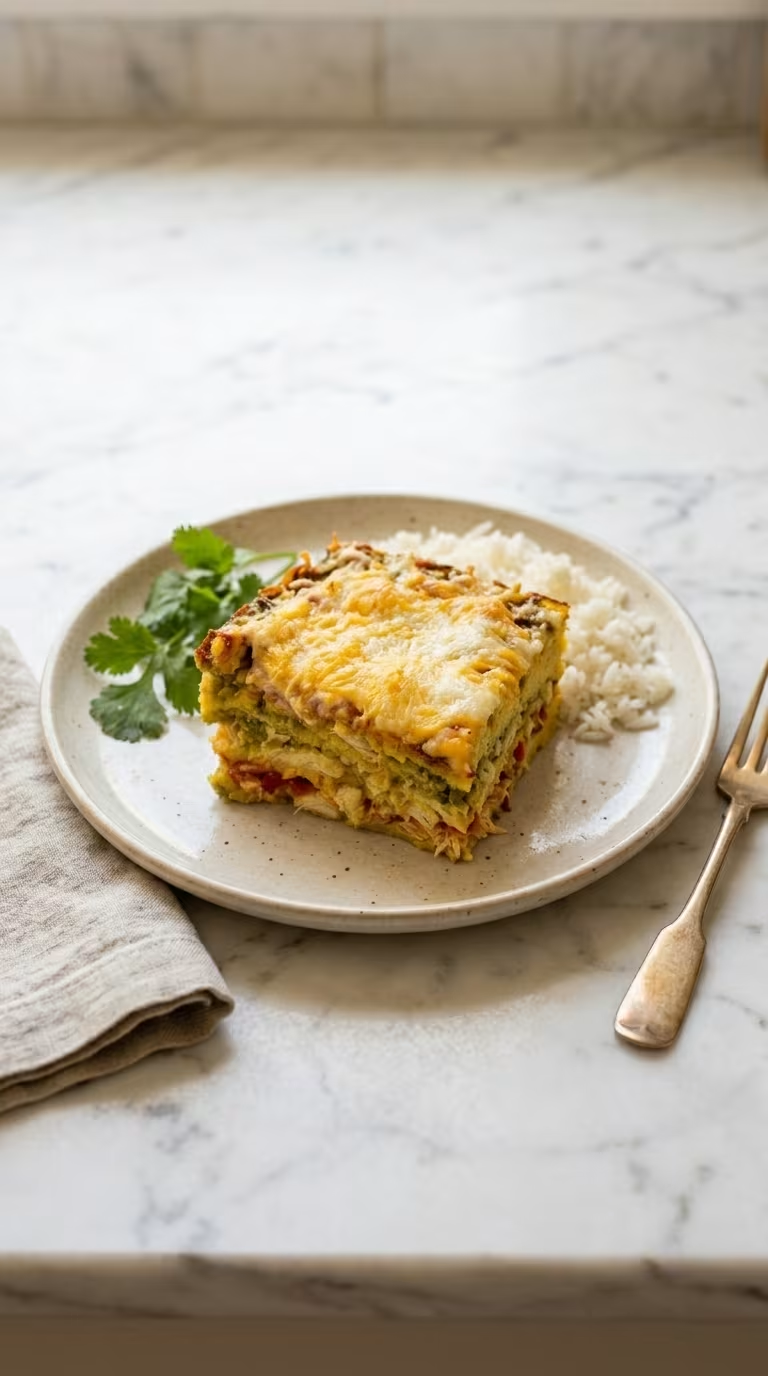
Mexican rice and refried beans are the most natural pairings both absorb the tomatillo sauce well. A simple green salad with lime vinaigrette cuts the richness of the casserole. Warm corn tortillas on the side work for guests who prefer to scoop rather than slice. For a lighter accompanying dish that keeps the tomatillo flavor thread, Tomatillo Chicken Soup served alongside a smaller portion of this casserole is a combination I come back to in winter.
A Few Final Notes
The tomatillo sauce does the work. Get the roasting right.
Everything else in this recipe is assembly and patience. The technique happens the night before — by the time the oven preheats, the critical step is behind you.
When you want the same roasted tomatillo flavor in 30 minutes, Tomatillo Chicken Tacos with Salsa Verde uses the same sauce in a completely different weeknight format. For something that builds a comparable depth of flavor over several hours without any layering work, Slow Cooker Tomatillo Chicken is worth having in the rotation.