
Creamy tomatillo sauce is the kind of recipe I reach for when dinner feels a little plain and I want something fresh without making another complicated dish. Chef Thomas has found that a simple homemade sauce often brings everything together with very little effort.
I keep this recipe close because it pairs well with tacos, grilled chicken, roasted vegetables, and even a bowl of rice. If you’re cooking with tomatillos for the first time, knowing a little about them makes the whole process feel much easier.
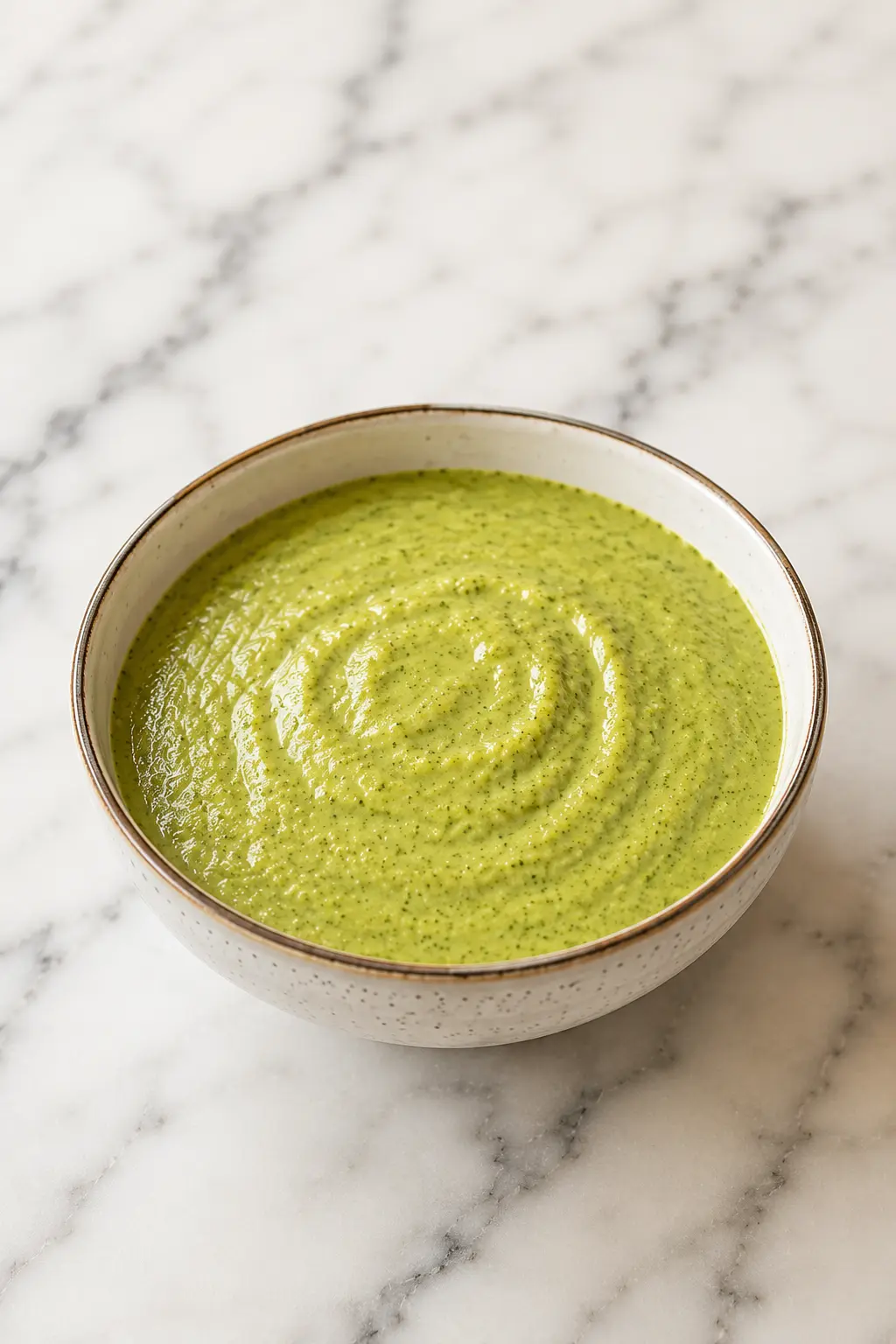
Table of Contents
What Is Creamy Tomatillo Sauce?
Creamy tomatillo sauce is a smooth, tangy sauce made by blending roasted or simmered tomatillos with cream, sour cream, or similar creamy ingredients for a rich finish. It has roots in Mexican cooking, where tomatillos have been used for generations in green salsas and sauces served with tacos, enchiladas, grilled meats, and vegetables.
The creamy version became popular as home cooks and restaurants looked for a milder, richer sauce that still kept the fresh, bright taste of tomatillos. What sets it apart from a classic salsa verde is its silky texture and balanced flavor, with just enough tang to brighten every bite.
Home cooks enjoy making it because it comes together quickly, works with many meals, and keeps well for later. Let’s look at the simple ingredients that make this sauce so good.
Why You’ll Love This Creamy Tomatillo Sauce
Creamy tomatillo sauce is one of those recipes I keep coming back to because it never asks much from me and always earns a place on the table. Over the years, Chef Thomas has learned that the best recipes are often the ones you can trust on an ordinary weeknight.
The fresh, tangy flavor stays balanced by the creamy base, so the sauce adds plenty of character without feeling too rich. The ingredients are easy to find, the steps are straightforward, and it pairs with more meals than you might expect.
I make this sauce most weeks because it turns simple meals into something that feels a little more complete without adding extra work.
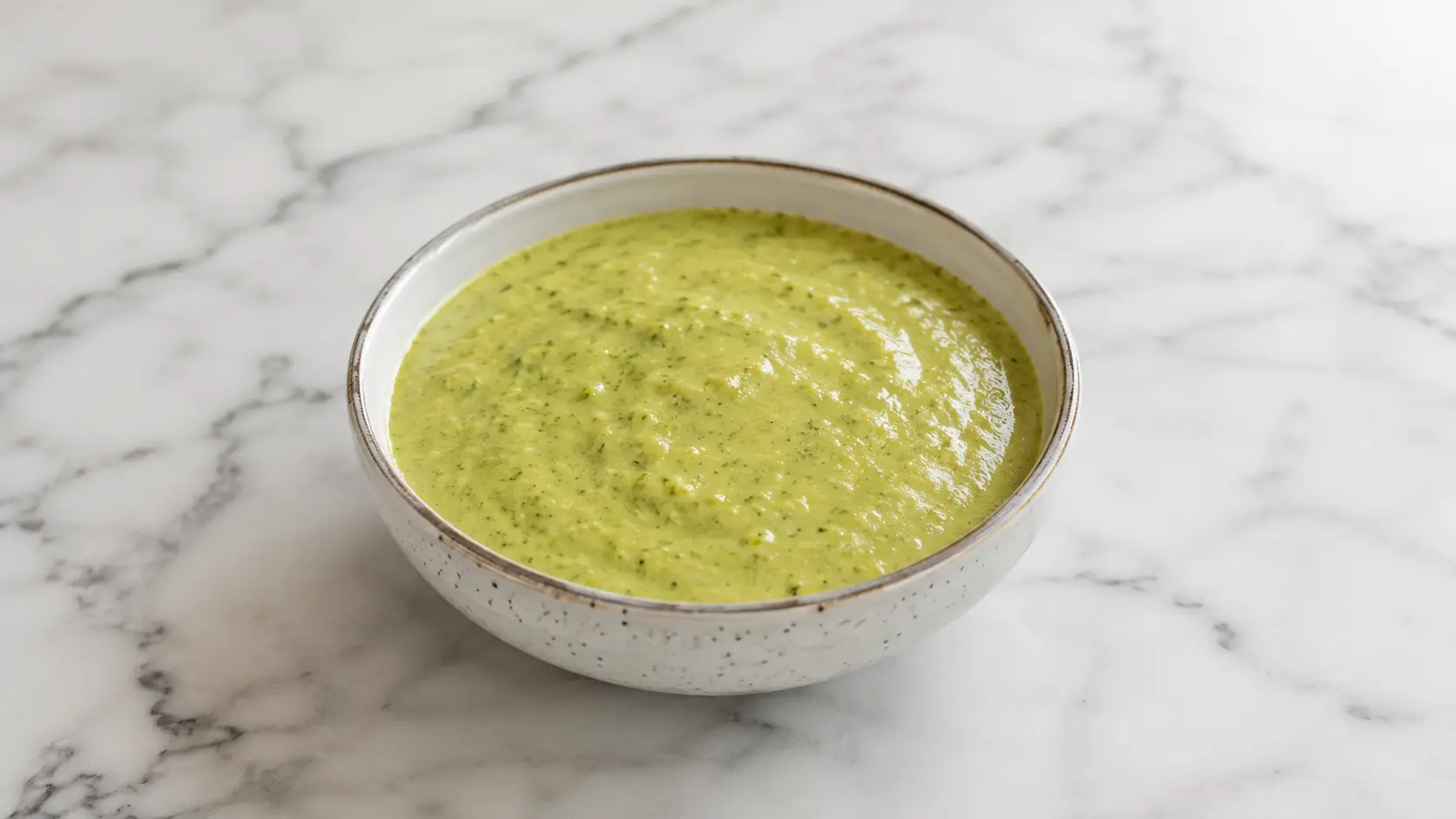
Creamy Tomatillo Green Sauce
Ingredients
Equipment
Instructions
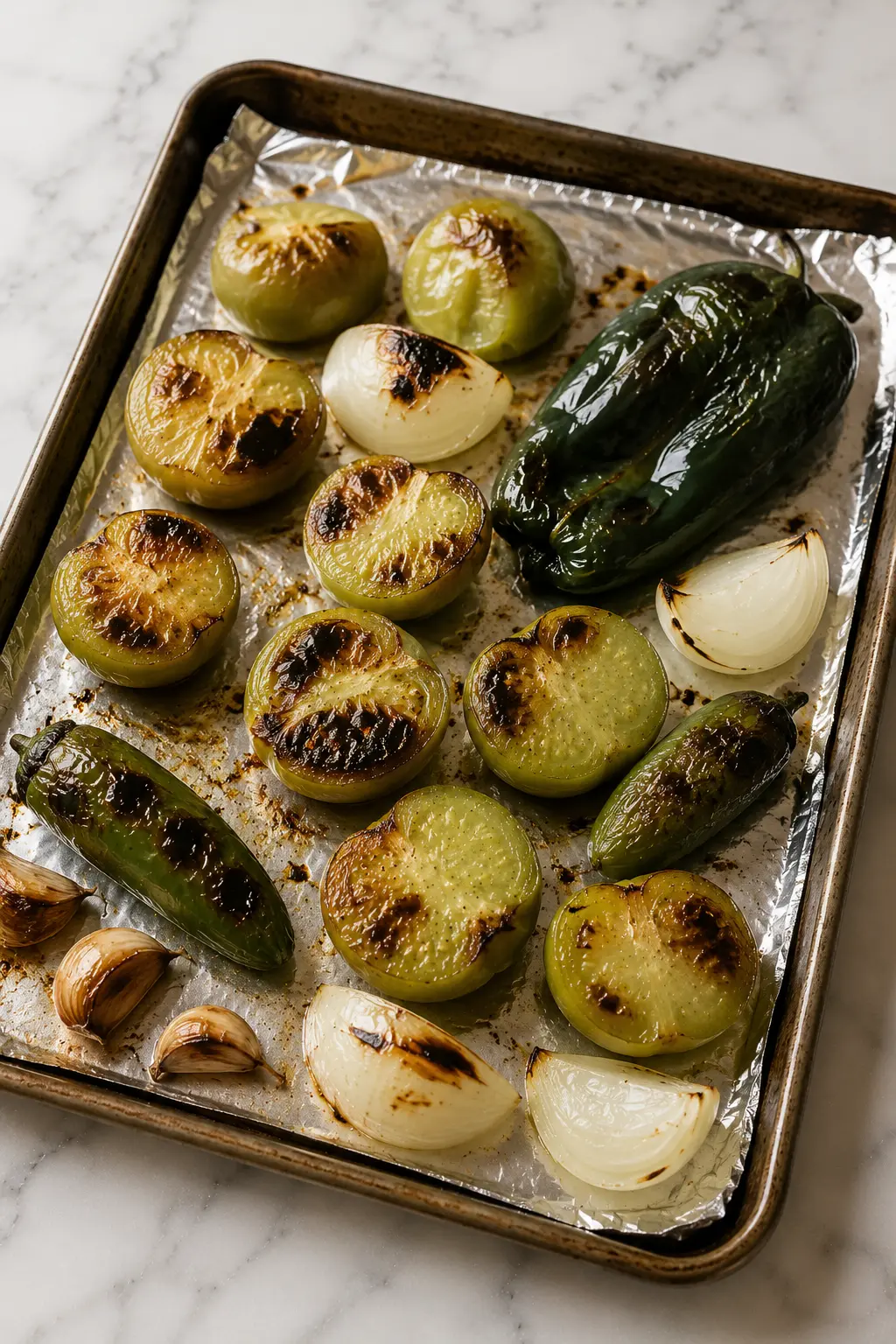
- PREP THE OVEN: Position the oven rack to the highest or second highest position, so the tray can be a 6” inches or so away from to the coils. Set oven to broil (high). Line a baking sheet with foil and spritz with some olive oil.
- PREP THE TRAY: Place tomatillos (cut side down), poblano, serrano (cut side down), onions, and garlic on baking sheet. Place the garlic cloves towards the front corner of the baking sheet so you can watch them and remove easily when needed. Spray the tops with more olive oil (or brush on top).
- BROIL TOMATILLOS + PEPPERS: Broil for 7 minutes, then remove garlic (once toasted brown on top) and serranos (once dark blotches have formed on top). Flip over the poblano with tongs and toss the onions around. Rotate the tray for even cooking and broil for another 7 minutes, until poblano has formed broiled blotches on second side and tomatillos have blistered on top. Remove tray from oven and allow tomatillos and onions to cool for a few minutes. Toss out any onions that have become too charred (blackened and dry). Place poblano in a plastic bag and seal for a few minutes. Rub off skin after it has steamed for a few minutes. Remove stem and seeds.
- BLEND: Carefully lift up the foil to collect the juices from broiling the tomatillos and pour into the blender. Place all veggies in the blender with lime juice, cilantro, cumin, and salt. Blend until smooth.
- SIMMER THE SAUCE: Pour the blender mix into a sauce pot and cover. Bring the mixture to a boil and then turn down to low heat. Simmer for 5-7 minutes. After it has thickened, add the coconut cream or heavy cream and stir to combine.
Notes
Creamy Tomatillo Sauce Ingredient Substitutions
Sometimes you have everything you need except one or two ingredients, and that should not stop you from making creamy tomatillo sauce. A few simple swaps can keep the sauce balanced while matching what you already have in your kitchen or your dietary needs.
| Original Ingredient | Best Substitute | Notes (Ratio Changes, Flavor Impact, Tips) |
|---|---|---|
| Tomatillos | Green tomatoes | Use a 1:1 ratio. Green tomatoes are less tangy, so add an extra teaspoon of lime juice to brighten the flavor. |
| Poblano Pepper | Anaheim pepper | Replace 1:1. Anaheim peppers are milder, so the sauce will have less smoky flavor but still blend smoothly. |
| Serrano Peppers | Jalapeños | Use the same amount. Remove the seeds for a milder sauce or leave them in if you want more heat. |
| Onion | White or yellow onion | Replace 1:1. White onion gives a sharper bite, while yellow onion adds a slightly sweeter finish after roasting. |
| Garlic Cloves | Garlic powder | Use ½ teaspoon garlic powder for every clove if fresh garlic is unavailable. Add it while blending instead of broiling. |
| Extra Virgin Olive Oil | Avocado oil | Use the same amount. Avocado oil has a mild flavor and a high smoke point, making it a good choice for broiling. |
| Lime Juice | Lemon juice | Replace 1:1. Lemon adds fresh acidity but tastes a little brighter than lime, so start with slightly less and adjust if needed. |
| Fresh Cilantro | Flat-leaf parsley | Use the same amount. The sauce will lose cilantro’s classic flavor but still have a fresh herbal taste. |
| Cumin | Ground coriander | Use ¾ teaspoon coriander for every teaspoon of cumin. It gives a lighter citrus note instead of the warm, earthy flavor of cumin. |
| Coconut Cream | Heavy cream | Replace 1:1 for a richer, dairy-based sauce. |
| Coconut Cream | Unsweetened cashew cream | Replace 1:1 for a dairy-free option with a smooth texture and mild flavor. |
| Coconut Cream | Plain unsweetened oat cream | Replace 1:1 for a dairy-free and gluten-free option, but choose a certified gluten-free brand if needed. |
The substitution that changes this recipe the most is replacing the tomatillos because they provide the sauce’s signature tangy flavor. If you use green tomatoes instead, taste the sauce after blending and adjust with a little extra lime juice. Changing the creamy ingredient is much less noticeable, so you can choose the option that best fits your preferences.
How to Make Creamy Tomatillo Sauce
Chef Thomas’s Tip:
Garlic burns faster than the peppers, so keep it where you can see it.
Chef Thomas’s Tip:
If any onion pieces turn black and dry, toss them out before blending so they do not make the sauce bitter.
Chef Thomas’s Tip:
Add the cream at the end so the sauce keeps its fresh flavor and does not cook down too far.
How I Serve Creamy Tomatillo Sauce
Creamy tomatillo sauce is something I make often on busy weeknights when I want dinner to come together without much planning. Chef Thomas has found that keeping a batch in the refrigerator makes it easy to turn simple ingredients into a warm, satisfying meal.
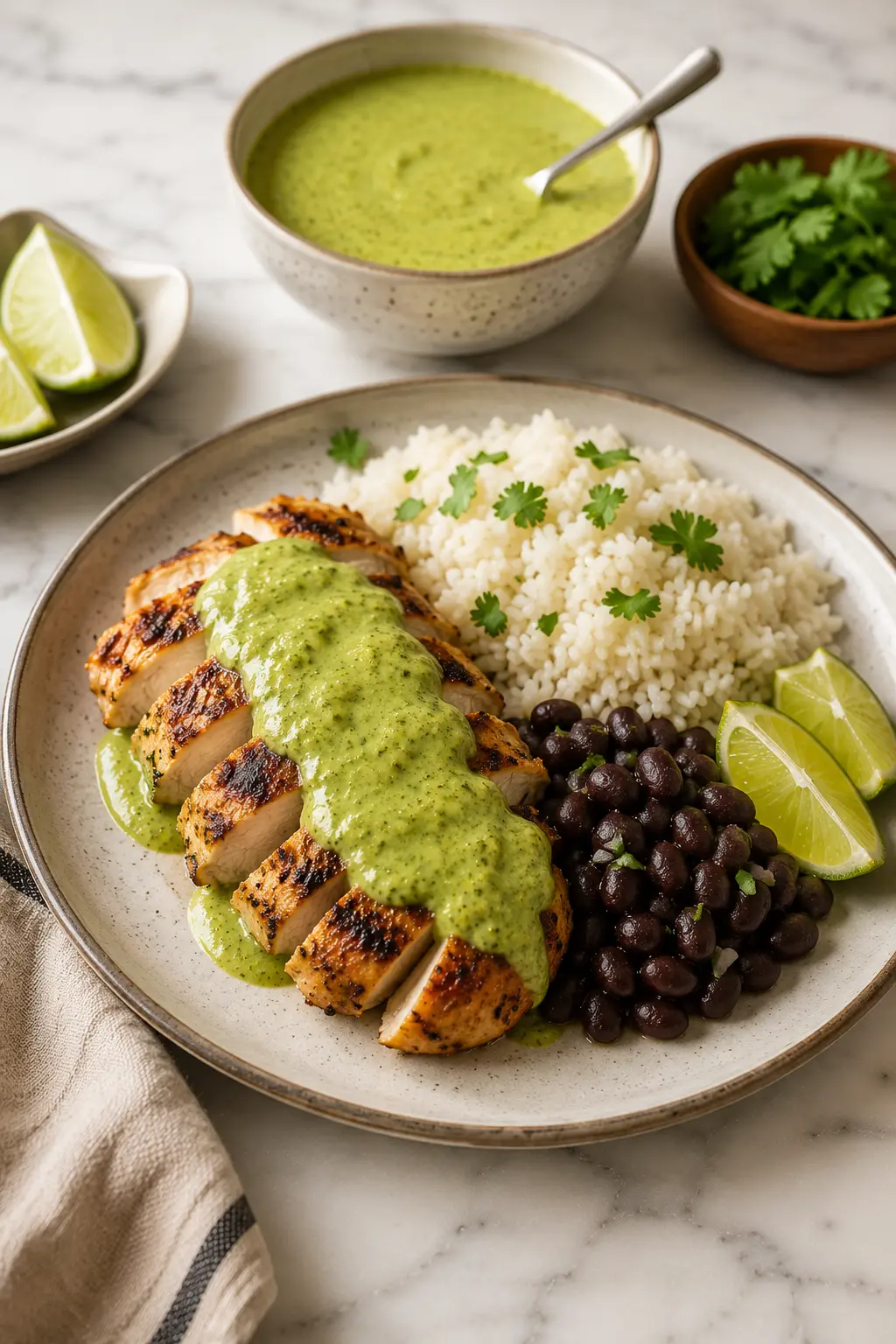
Most of the time, I spoon it over grilled chicken or tacos while it’s still warm. A little chopped cilantro and a squeeze of fresh lime are usually enough because the sauce already brings plenty of balanced flavor. If you’re curious about the bright, tangy flavor behind this recipe, take a look at what do tomatillos taste like.
When I have leftovers, I pour the sauce over roasted vegetables or use it for enchiladas the next day. It also works well as a finishing sauce for tomatillo chicken or alongside a bowl of tomatillo salsa verde when I’m serving tacos for family or friends. If fresh tomatillos are not available, this guide on fresh vs canned tomatillos can help you choose the best option.
- Warm corn or flour tortillas
- Cilantro lime rice
- Grilled chicken or shrimp
- Roasted vegetables
- Sliced avocado and fresh lime wedges
Variations and Adjustments for Creamy Tomatillo Sauce
Creamy tomatillo sauce is a recipe I’ve adjusted many times depending on who was coming to dinner or what I had in the kitchen. Chef Thomas has found that small changes work well as long as the roasted tomatillos stay at the center of the recipe.
Make It Milder or Spicier
If I want a milder sauce, I use one serrano pepper or replace it with a jalapeño after removing the seeds. For more heat, I leave some of the serrano seeds in or add the second pepper before blending.
Adjust the Texture
For a thicker sauce, I let it simmer another minute or two before adding the cream. If I want a smoother, lighter texture, I blend it a little longer or stir in a splash of water until it reaches the consistency I like.
Change the Creamy Base
I often use coconut cream when I want a rich finish with a mild flavor. Heavy cream also works well and gives the sauce a softer, more traditional creamy texture without changing the cooking method.
Try Different Herbs
Cilantro gives this sauce its classic fresh flavor, but I’ve occasionally replaced part of it with flat-leaf parsley when cilantro was running low. The sauce tastes a little less bright, but it still pairs nicely with grilled meats, tacos, and roasted vegetables.
The base method is what makes this sauce reliable, so I keep the changes small and taste as I go instead of changing several things at once.
Storing and Making Creamy Tomatillo Sauce Ahead
Creamy tomatillo sauce is one of those recipes I often make in advance because the flavor settles nicely after a little time in the refrigerator. Chef Thomas has found through years of cooking that keeping a batch on hand makes busy dinners much easier.
Refrigeration
I store the sauce in a clean glass jar or an airtight container once it has cooled. It keeps well in the refrigerator for about 3 to 4 days. The sauce may thicken slightly as it chills, but a quick stir usually brings it back to a smooth consistency.
Freezing
I have frozen this sauce with good results, although the texture can separate a little after thawing because of the creamy ingredients. I thaw it overnight in the refrigerator, then whisk it gently while warming to bring the sauce back together.
Make-Ahead Tips
I often roast the vegetables and blend the sauce a day before I need it. If I’m serving guests, I wait until just before serving to warm the sauce so it keeps its fresh color and smooth texture.
Reheating Advice
I reheat the sauce gently over low heat on the stove, stirring from time to time until it is smooth and warmed through. The sauce should look creamy and smell fresh with a light roasted aroma. I avoid boiling it after adding the cream because that can make the texture less smooth.
Frequently Asked Questions About Creamy Tomatillo Sauce
Can I make this sauce less spicy?
Yes. I usually reduce the serrano peppers to one or replace them with a jalapeño after removing the seeds. You can always add more heat later, but it is much harder to take it away.
Can I use canned tomatillos instead of fresh ones?
Yes, although the flavor will be a little different. Fresh tomatillos give the sauce a brighter taste after roasting, while canned tomatillos make a slightly softer, less tangy sauce. I still roast the peppers, onion, and garlic to build flavor.
Why did my sauce turn out too thin?
The sauce usually thickens as it simmers for a few minutes. If it still seems thin, let it cook a little longer over low heat while stirring from time to time. Chef Thomas has found that rushing this step is the most common reason for a thinner sauce.
Can I make this recipe ahead of time?
Yes. I often prepare it a day before serving because the flavors blend together nicely after resting in the refrigerator overnight. I warm it gently before serving and stir until it is smooth again.
What can I use instead of coconut cream?
Heavy cream is the easiest substitute if you do not need a dairy-free option. Plain unsweetened cashew cream also works well and keeps the sauce creamy without changing the cooking method very much.
Final Thoughts on Creamy Tomatillo Sauce
Creamy tomatillo sauce is one of those recipes I keep coming back to because it fits so naturally into everyday cooking and never feels like extra work.
Chef Thomas has made it enough times to know that simple ingredients and a steady approach are often all you need for a sauce you’ll want to make again. When I’m planning the rest of the week’s meals, I often browse my favorite main dishes to find another easy meal that pairs well with it, and that usually feels like a good place to leave things.